An online tattoo course can give your learning a structure, but watching lessons and being ready to work with clients are different milestones. If you are comparing tattoo training in Canada, look at how the course connects design, practice, feedback and professional responsibilities. This guide helps you make a shortlist without treating a certificate, an equipment photograph or a low starting price as the whole offer.
Start with the skill you want to develop
Write a short learning brief before comparing providers. A beginner might need a sequence from drawing and stencil planning through consistent practice on approved training material. An artist with experience may want feedback on colour work, a particular style or the organisation of their client records. Those are different needs, even when both people search for a tattoo course.
Keep one example of your current work and one question you cannot yet answer. Use paper or practice-material examples when contacting a tutor; do not send identifiable client photographs without the appropriate permission. A useful question is specific enough for the provider to point to a lesson or explain the feedback available.
Compare the curriculum with the learning brief
The Skinart online tattoo course for Canada lists design assignments, tattoo themes and styles, stencil work, machine introduction and maintenance, linework, black-and-grey work, colour and professional practice. Read the curriculum rather than assuming every technique or machine is covered in the same depth.
- Design: does the course connect drawing tasks with practical work?
- Practice: what material and equipment will you need, and when?
- Feedback: what can you submit, who reviews it and how can you ask follow-up questions?
- Professional practice: are consultation, infection prevention, records and aftercare part of the learning?
Do not count video running time as the time needed to become competent. Reviewing a lesson, practising, recording the result and responding to feedback are separate parts of study.
Understand what online study and studio experience provide
Recorded learning lets you revisit a topic and organise study around other commitments. Studio experience can expose you to the routines of a real workplace: preparing for appointments, communicating with clients, following local procedures and knowing when to stop and seek help. Ask how those experiences will fit together in your own plan.
An online course should not be treated as automatic permission to practise on clients. If you are considering an apprenticeship or supervised studio experience alongside it, clarify who is responsible for instruction, what you may observe or do, and how your progress will be reviewed. Agree those boundaries before assuming a studio placement is included in a course purchase.
Budget for the complete option and your equipment
Compare the price of the full course with the complete payment route you intend to use. Pay As You Go Part 1 is the first part, not the whole qualification. Under Skinart’s published terms, buying Part 1 does not commit you to later parts, and Part 1 alone does not qualify for the full-course certificate.
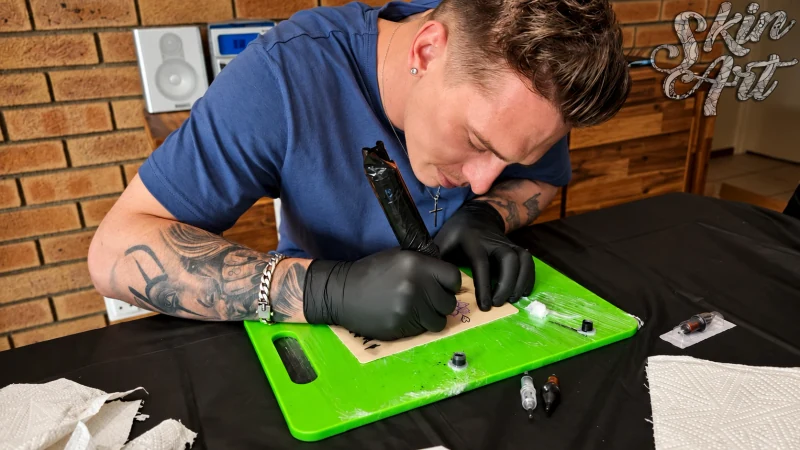
Skinart does not supply equipment in Canada. Use the course equipment list and recommended suppliers to plan purchases; a machine shown in a promotional photograph is not evidence that it comes with your order. Ask when each item is needed so you can plan your study and spending together.
If a second discipline is already part of your plan, compare the Canadian course bundle builder. Select only skills you intend to study and compare the displayed saving with buying those full courses separately.
Check the requirements for the location where you will work
Contact the relevant provincial or local authority before planning client services. Explain the procedures you intend to offer and the premises you intend to use, then ask what current requirements apply. Keep the response with your training plan rather than relying on a general claim that a course is recognised everywhere.
For Ontario learners, Public Health Ontario’s personal service settings resources include infection prevention and control guidance relevant to tattooing and piercing. That is an Ontario resource, not a Canada-wide operating licence or an endorsement of a particular course.
Use a practical two-provider comparison
For each provider, record five things in your own notes: the lessons that match your goal, the feedback available, the equipment you must obtain, the full purchase option, and the questions still unanswered. Mark each inclusion as stated on the course page or confirmed by the provider; leave assumptions blank.
For example, “I want feedback on line consistency on synthetic skin; I can study twice a week; I need the equipment list before ordering” is a useful enquiry. “Will I be ready to open a studio immediately?” skips the important details of experience, premises and local requirements.
Review the Canadian tattoo course curriculum and current options or ask Skinart about your learning brief before choosing. For a way to record practice and tutor feedback, use the practice journal guide.
Considering another studio skill? Read the Canadian piercing training comparison guide.