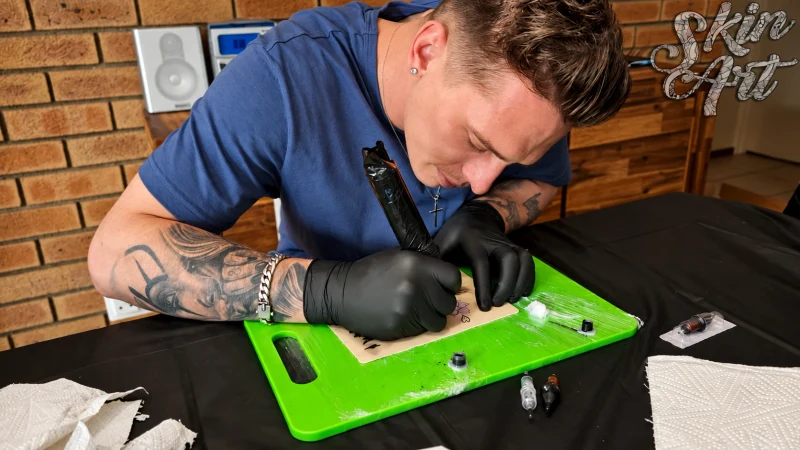
Client appointments, design revisions, studio administration and study can compete for the same hours. For tattoo artists, piercers and body-art students in Canada, a useful starting point is to look at the whole workload and the support available. This guide gives you a practical way to review your schedule and prepare a focused conversation with your studio manager or tutor.
Make room for the whole appointment
Look beyond the procedure time in your diary. Include consultation, preparation, client questions, clean-down, records and a reasonable turnaround between bookings. If these tasks regularly spill into a planned break or the next appointment, discuss the booking pattern with the person responsible for the schedule.
Review what changed on a demanding day. A late arrival, an extra design revision and unanswered messages create different problems. Recording the actual task helps you ask for a specific adjustment rather than simply promising to work faster.
Give messages and design changes clear boundaries
State when clients can expect replies and which channel the studio uses for bookings. Explain how design revisions are handled and when the agreed plan needs another consultation. Keep those expectations consistent across the booking message and the appointment discussion.
The Canadian Centre for Occupational Health and Safety (CCOHS) offers guidance on disconnecting from work, including clear expectations about after-hours communication. Use it to discuss arrangements that fit your role and studio; avoid assuming that every worker or self-employed artist has the same schedule or legal entitlements.
Set a study task that fits your available time
A full day of bookings followed by late-night admin may leave little room for a new practical assignment. Put studio work, travel, personal commitments and study on the same plan. Choose a manageable learning task and ask your tutor which part to prioritise if you are falling behind.
For example, you might review a lesson and organise your questions today, then complete the assigned drawing exercise during a planned study session. Follow your course’s practical instructions and safety requirements. An unfinished task is useful information for planning your next session; it does not need an extra rushed exercise attached to it.
Bring a specific workload question to the team
Try a brief description of the problem and one possible adjustment: “Design revisions are taking the time reserved for my break. Can we review when revisions are agreed and how much time the booking allows?” Agree who will follow up and when you will review the arrangement.
Keep ordinary wellbeing routines in the plan, including rest, meals, movement and time with people you trust. Team support and manageable working arrangements matter alongside individual routines.
Know when to seek more support
CCOHS’s job burnout resource discusses workload, control, expectations and support. It also explains that experiences associated with burnout can have other health causes. These planning exercises are not a diagnosis or treatment plan. If difficulties persist or affect daily life, seek appropriate professional support.
Review one change before adding another
- Choose one recurring scheduling or communication problem.
- Agree one practical change with the appropriate person.
- Keep a short record of what happened during the next working week.
- Review whether the change helped and what still needs attention.
For a practical follow-up, read Setting clear appointment boundaries. Bring one anonymous example to your trainer and ask how the guidance fits the discipline you are learning.