Ear Piercing Courses United Kingdom: Learn Professional Techniques
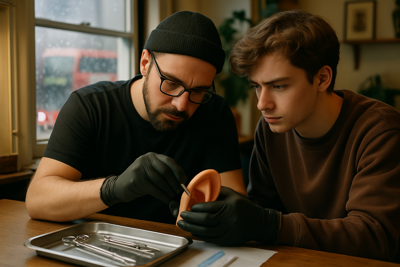
Whether you want to start a new career or add ear piercing services to an existing beauty offering, our Ear Piercing Courses United Kingdom programme gives you the skills and official accreditation you need to practice safely and confidently. Skinart United Kingdom’s online course is specifically tailored to UK regulations and the practical realities of working with clients across the country.
In this guide you’ll find clear, practical information about what professional ear piercing training covers, how to choose the right course format, common pitfalls to avoid, and the steps Skinart takes to help you transition from learner to qualified practitioner. The content below is rooted in industry standards and local UK guidance, with examples and success stories from students across London, Manchester, Glasgow and beyond.
Review the course curriculum, instructor details and lesson examples to understand the training offered. Ask Skinart who will teach and support you on your selected course.
Table of Contents
Use the links below to jump to sections. Adding anchor-linked headings helps Google display “Jump to” links in search results.
Why Ear Piercing Courses Matter in the UK
Ear piercing is more than a quick cosmetic service — it involves anatomy, infection control, client assessment, and legal responsibilities. Completing accredited Ear Piercing Courses United Kingdom ensures you understand the clinical and customer-facing elements that make a service both safe and professional. In the UK, public expectations are high: clients expect trained operators who can deliver consistent, hygienic results.
Formal training helps you build a foundation in skin anatomy, the differences between lobule and cartilage piercing, correct positioning, pain management strategies, and how to recognise and respond to complications. It also gives you a framework for client consultations, record keeping, and aftercare advice — all essential for building trust, repeat bookings and five-star reviews.
Finally, accredited training demonstrates credibility. When you can show CPD or BAQA-aligned certification, clients feel more confident. For many mobile and salon-based businesses in the UK, accreditation makes the difference between a casual hobby and a sustainable income stream.
Course formats — pros and cons
In the UK most learners choose between online, blended, and practical-only formats. Skinart United Kingdom specialises in a structured online training course tailored specifically for ear piercing practitioners working in the UK. Below is an objective look at each format to help you decide which suits your goals.
- Online course (self-paced) — flexible, ideal for carers, students and people working shifts.
- Blended course — combines online theory with a supervised in-person practical assessment (limited availability in the UK).
- Practical-only workshops — rapid hands-on training, useful if you already have theory knowledge.
Advantages of online learning include the ability to study around existing commitments and revisit modules at your own pace while still meeting the learning outcomes required for accreditation. Where face-to-face practical assessments are required by local authorities, blended approaches can be arranged but these vary by region.
At Skinart United Kingdom we focus on delivering a comprehensive online ear piercing course that covers all theoretical competencies and prepares you for practical application. Note: we do not offer in-person training in the United Kingdom; the course prepares you thoroughly for practice and assessment in accordance with local guidelines and your own practical arrangements.
What you will learn
The Skinart Ear Piercing Course covers the theory and practical knowledge you need to offer safe ear piercing services across the UK. Training modules are written to reflect current infection prevention guidance and the professional standards expected by salons and clients alike.
Core learning outcomes include understanding skin and ear anatomy, client consultation and consent, hygiene and cross-contamination control, correct marking and positioning, aseptic technique for different ear sites, and recognising complications such as keloid formation or infection.
Beyond clinical technique, we cover professional practice elements: client records, aftercare instructions tailored for the UK climate and healthcare context, insurance considerations, and how to market ear piercing services ethically and effectively.
- Anatomy of the ear: lobule vs cartilage
- Types of piercings and appropriate jewellery
- Client consultation, consent and age considerations in the UK
- Risk assessment and contra-indications
- Infection prevention and control (IPC) procedures
- Correct marking, alignment and technique for consistent placement
- Immediate aftercare steps and written aftercare advice
- Recognising and managing complications
- Record keeping, client forms and photography best practice
- Professional conduct, insurance and accreditation essentials
Common mistakes new piercers make
- Poor marking — placing the piercing off-centre or at an incorrect angle
- Inadequate consultation — failing to identify contraindications or allergies
- Poor aseptic technique — not changing gloves or reusing contaminated equipment
- Incorrect jewellery selection — using inappropriate metals or lengths for fresh piercings
- Rushing the procedure — increasing pain and error risk
- Insufficient aftercare instruction — clients unclear on cleaning, swelling or healing timelines
- Inadequate record-keeping — missing consent forms or medical notes
- Underestimating cartilage healing — treating cartilage like lobule tissue
- Using unsuitable needles or systems — not understanding when cannula, studs or guns are and are not appropriate
Each of these issues is avoidable with structured training. For example, many early-career piercers think ear piercing is “easy” and skip technique practice; our course includes detailed marking and practicum guidance to make placement reliable and repeatable.
Learning from real cases — including complications and how they were managed — is part of our curriculum. That practical insight is what separates a confident, professional piercer from someone who may struggle when a client presents with swelling or an unusual healing response.
UK legal, hygiene and safety requirements
Regulation of ear piercing in the UK sits at a local authority level, and guidance often draws on national infection prevention principles. Core requirements you must be prepared for include robust infection control measures, clear consent procedures, and appropriate record-keeping. Many local councils expect evidence of CPD-aligned training when you register as a practitioner or business.
Skinart United Kingdom’s ear piercing course aligns with recognised standards and helps you prepare documentation and client forms you can adapt for local registration. We emphasise practical compliance: how to set up a clean workspace, manage sharps and waste, and communicate risk to clients in plain English.
- Follow local council registration requirements in your area (check your local authority website)
- Implement standard infection prevention controls (hand hygiene, surface cleaning)
- Use single-use sterile consumables where required
- Follow sharps disposal regulations and clinical waste guidance
- Obtain informed consent and keep client records for the recommended period
- Have appropriate indemnity insurance for piercing services
- Provide clear written aftercare in line with UK healthcare norms
Tools, materials and aftercare
Understanding the right tools and materials for ear piercing is essential. While Skinart United Kingdom provides detailed guidance on equipment selection and how to evaluate suppliers, we do not supply ear piercing equipment within the United Kingdom. This ensures clear expectations for learners — you’ll learn which instruments and jewellery types are appropriate and how to inspect them for quality before use.
The course explains the pros and cons of different jewellery metals (surgical steel, titanium, and gold grades), recommended gauge sizes for common ear sites, and the practical differences between hollow needles and studs. Practical technique modules walk you through placement decisions so you can match jewellery choice to anatomy and client preference.
- Recommended jewellery materials and when to use each
- Choosing correct gauge and length for lobule vs cartilage
- Needle systems explained (sterile single-use needles vs alternatives)
- Essential consumables: gloves, sterile wipes, antiseptics, dressings
- Sharps and clinical waste procedures
- Aftercare checklist to give to clients
- When to refer a client to NHS or private healthcare
- Signs of infection, delayed healing and keloid formation
Aftercare guidance is tailored to the UK climate and healthcare access patterns — for example, advising clients about swimming pools and the increased risk of infection in warmer months, and when to seek GP support. Our aftercare templates are practical and written in plain English so clients can follow them easily.
How Skinart United Kingdom supports students
Skinart United Kingdom delivers an evidence-based online curriculum designed for UK learners. Our course content is accredited and mapped to CPD standards and BAQA outcomes where relevant, ensuring the training you complete is recognised and trusted by councils and employers across the country.
We provide step-by-step modules, demonstrated case studies, downloadable client forms, and assessment checklists to help you prepare for real-world practice. Although we don’t offer in-person training in the UK, our online course gives you everything you need to practise safely, prepare for local registration, and confidently manage clients in salons, mobile appointments or home-based businesses.
In addition to course content, Skinart offers tutor feedback, industry insights from Gary and guest contributors, and practical templates you can adapt to your business. Many students in the UK have used the course to expand their salon services or to start reliable mobile piercing offerings from cities such as Bristol, Birmingham and Edinburgh.
Frequently asked questions
The FAQs below answer practical questions prospective students commonly search for about Ear Piercing Courses United Kingdom.
What does the Skinart Ear Piercing course cover?
Our course covers anatomy, infection prevention, correct marking and technique for lobule and cartilage, jewellery selection, aftercare, client consultation and professional practice elements needed to operate within the UK.
Is the course recognised by UK accrediting bodies?
Yes — the course is written to align with CPD Standards Office benchmarks and the Body Art Qualification Association (BAQA) where applicable, providing recognised learning outcomes for practitioners in the UK.
Do you supply ear piercing equipment in the UK?
No — Skinart United Kingdom does not supply ear piercing equipment within the United Kingdom. The course includes clear recommendations on what to buy and how to assess suppliers so you can source the appropriate sterile consumables and jewellery locally.
Do you offer in-person training in the United Kingdom?
No — we do not offer in-person training in the United Kingdom. The online course is comprehensive and prepares you for practical work and local registration requirements.
How long does it take to complete the course?
Completion time varies by learner. The course is structured with clear modules and assessments, and most students find they can complete the material in a few weeks of part-time study, depending on prior experience and available practice time.
Will this course allow me to work as a piercer in the UK?
The training provides accredited knowledge and documentation that many UK local authorities and insurers look for. You should also check local council registration rules and ensure you have the required indemnity insurance before offering services.
Final thoughts
Choosing the right training is the single most important step you can take if you want to become a professional ear piercer in the UK. Accredited Ear Piercing Courses United Kingdom provide a foundation in safety, technique, and professional practice that clients, councils and insurers recognise.
Skinart United Kingdom’s online course is designed to be practical, up-to-date, and supportive. Whether you plan to offer services in a salon, mobile setting or as part of a broader beauty business, the course gives you the knowledge to deliver consistent, ethical and safe piercings that build your reputation.
If you’re ready to develop a reliable skillset, protect your clients and build a professional service offering, we’re here to support you at every step.
Recent Blog Posts
 Choose your next learning goal with evidenceA long list of courses can make progress feel harder to define. Start with a specific task you want to understand…
 Avoid These Consultation Mistakes in 2026A good consultation leaves the client and artist with the same understanding of the proposed work, its limits and the next…
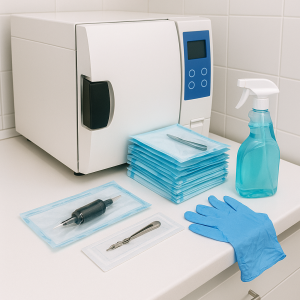 Sterilization 2026: Setting the Gold Standard in Your StudioReviewing a studio's sterilization arrangements means checking an established, documented process with a qualified person. A clean-looking instrument or a completed…