SMP Healing and Aftercare: What to Ask and When to Get Help
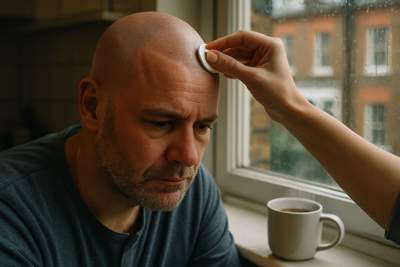
After scalp micropigmentation, follow the written aftercare supplied for your treatment and ask your practitioner to explain anything unclear. A general online timeline cannot confirm how your own skin is healing. This guide helps you prepare questions, record changes and recognise when medical advice is needed.
Know When to Seek Medical Advice
Do not wait for a scheduled review if symptoms are getting worse. Seek prompt medical advice for increasing pain, swelling or redness, pus, a high temperature or feeling generally unwell. The NHS wound guidance identifies these as reasons for urgent assessment. It is general wound guidance, not a scalp micropigmentation treatment protocol.
The Dudley Group NHS medical tattooing leaflet also advises medical contact for signs of possible infection. Its treatment-specific instructions should not be substituted for your own SMP aftercare plan.
Tell the clinician when the treatment took place and what products have been used. Let your practitioner know as well, but do not delay medical care while waiting for a studio reply. A photograph or message cannot reliably rule out a complication.
Get Clear Written Instructions Before Leaving
Ask for a copy of the aftercare plan and the contact details for questions. Read it before leaving so you can clarify the parts that affect your routine. Keep the instructions available rather than relying on memory or advice from a different treatment.
- How should I clean the treated area, and when?
- Which products, if any, should I use?
- What should I avoid, and for how long in my case?
- When can I resume exercise, swimming, shaving and my usual scalp products?
- What changes should prompt a medical assessment?
- When and how will the practitioner review the result?
Explain practical constraints such as protective headwear at work or planned travel. Ask how these affect the timing of treatment and your aftercare arrangements.
Avoid Treating a Timeline as a Diagnosis
Separate the appearance immediately after treatment from the appearance at a later review. Ask your practitioner what changes they expect in your case and when the result should be assessed. Do not assume that a darker, lighter or uneven-looking area needs another procedure based on a generic day-by-day chart.
If the instructions conflict with something you have read online, ask for clarification. Avoid adding unrecommended products or copying another person’s aftercare routine. Questions about medicines or a suspected reaction belong with an appropriate healthcare professional.
A planned follow-up date is not a reason to ignore worsening symptoms. Use the medical advice above when deciding whether a concern needs attention sooner.
Keep a Useful Record for Your Review
Note the treatment date, when a change began and whether it is improving or worsening. Record the products used and any advice you receive. If photographs are requested, use clear focus and similar lighting without filters; note when each photograph was taken.
Send a specific question rather than only an image. For example: “This change began yesterday and is more uncomfortable today. These are the products I have used.” This is an example of information to provide, not a diagnosis or permission to wait for an online response.
Keep your personal treatment photographs private unless you have deliberately agreed to another use. A clinical review and permission to publish marketing images are separate decisions.
For Learners: Communicate Within Your Role
Aftercare communication should make the next action clear. Practise explaining written instructions and checking that the client understands them. Know the limits of your training and the point at which a concern needs medical assessment rather than reassurance.
Record concerns and referrals accurately. Do not promise a fixed healing time, diagnose from a photograph or guarantee that another session will correct a change. Discuss uncertain scenarios with your tutor as part of your training.
For course planning, see the SMP curriculum and access guide. Course information is separate from individual healthcare advice.
Course Details and Next Steps
Review the current course details for UK learners and contact Skinart with questions about your selected option. Existing students can return to their lessons in the academy.