Good studio etiquette makes a training day easier for the learner, practitioner and client. It means arriving prepared, understanding your role and asking questions at a useful moment. These habits matter whether you are visiting a UK studio to observe or taking part in an agreed supervised exercise.
Confirm the arrangements with the studio before attending. Observation, preparation tasks and practical work have different responsibilities; a visit should not turn into an unplanned procedure.
Before you arrive: confirm the purpose of the visit
Ask about the start time, what to bring, who will supervise you and which activities you can take part in. Read any preparation instructions and make a short list of the lesson points you want to understand. If you are delayed or cannot attend, use the agreed contact route promptly.
Do not assume that a practitioner can extend an appointment to accommodate a late start. Their next client and the preparation between appointments also need time. Tell the studio what has happened and let the responsible person explain the available options.
During a demonstration: keep the workspace clear
Ask where you should stand and when to raise questions. If you cannot see, tell the instructor rather than leaning over the work area or moving equipment. Keep bags, drinks and personal items in the place the studio has agreed.
Follow the instructions for anything you are asked to handle. Avoid reaching for a phone, door handle or notebook during a task and then carrying on as though nothing changed. If you are unsure how an interruption affects the procedure, pause and ask the supervisor.
With a client present: introduce your role clearly
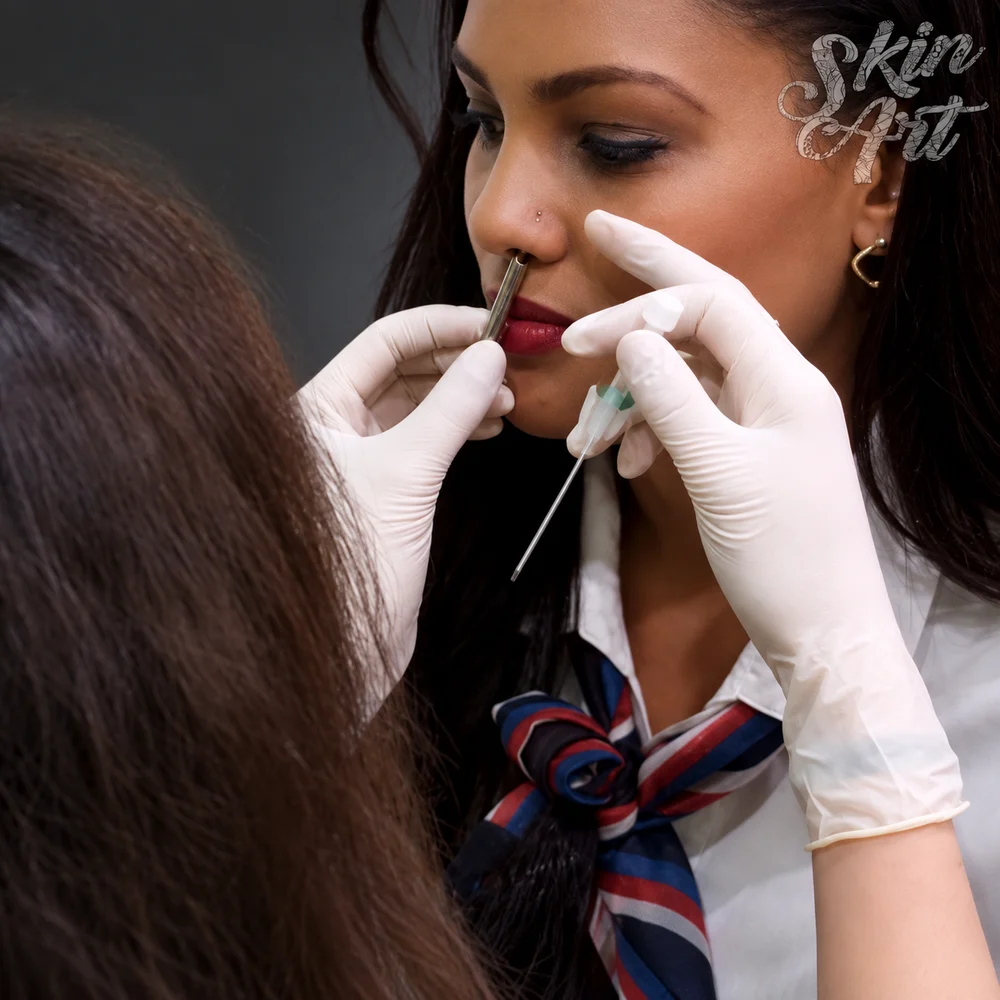
Let the practitioner explain your involvement and confirm that the client is comfortable with it. A client should be able to ask a question about who is observing or participating. Listen to the consultation without answering on the practitioner’s behalf.
Keep conversations relevant to the appointment. Avoid discussing other clients, making comments about a person’s appearance or promising a result. If you hear a question you cannot answer, identify the team member who can help rather than improvise.
For photographs and notes: agree what is appropriate
Discuss recording with the studio before taking photographs, videos or audio. Keep real client details out of shared coursework and personal study notes. A useful learning note can describe the question and the explanation without naming the client.
The ICO’s data-minimisation guidance explains why organisations should keep personal information relevant to the purpose. Follow the studio’s arrangements for client records and promotional images; do not assume that permission for one use covers another.
When you need help: make the question specific
- Name the lesson or activity you are reviewing.
- Explain what you understand so far.
- Point to the exact item, instruction or decision that is unclear.
- Write the answer beside the original question.
For example, “Which instruction applies to this item?” gives your supervisor a clear starting point. Save non-urgent questions for the agreed review time, so the practitioner can give the client their attention during the appointment.
Before leaving: give a clear handover
Confirm which tasks are complete, which need review and what you should prepare next. Follow the studio’s instructions for returning equipment and closing the workspace. Report a missing or damaged item to the responsible person rather than quietly substituting something else.
Use the consultation-handover exercise to practise concise notes. If a concern becomes a complaint, the UK client-communication guide explains how to identify the next action and the person responsible.
Connect studio habits with your course
Review the curriculum and support for the UK tattoo, piercing and PMU courses. Bring one observation and one focused question to your tutor, and discuss how they fit your current lesson.