What Is the Best Way to Learn Tattooing from Home?

You can begin tattoo-related study at home with drawing, reading and a structured course. Use home study to build knowledge and prepare questions; keep it separate from permission or readiness to work with clients.
This guide helps you organise a study space, compare learning options, document exercises and request useful feedback. Practical machine assignments need their own instructions and assessment arrangements.
Use this guide to organize questions about course structure, equipment and practical learning. Confirm the requirements of your selected course before buying supplies or beginning assigned exercises.
Table of Contents
Choose a section to find the information you need.
- Why Learn Tattooing from Home?
- Core Skills to Build First
- Setting Up Your Home Practice Space
- Training Options: Pros & Cons
- Daily Practical Exercises & Drills
- Common Mistakes to Avoid
- Legal, Health & Safety Considerations (US)
- Getting Feedback and Mentoring
- Frequently Asked Questions
- Final Thoughts & Next Steps
Why Learn Tattooing from Home?
Start by identifying what you want to learn and what instruction is available. A course syllabus can help organise reading and assigned work, while a learning log keeps your questions and feedback together.
Home study can fit around other commitments, but costs and practical requirements depend on the option you choose. Confirm access periods, equipment, assignments and support before committing.
Separate home study from work with clients. Ask the intended workplace and responsible authority what practical experience and training evidence they require, then compare those requirements with the course you are considering.
Core Skills to Build First
Separate drawing, theory and assigned practical work in your study plan. This helps you distinguish what you have read, what you have attempted and what has actually been assessed.
For drawing, work on composition, shapes and line control. For theory, record questions about equipment, hygiene and client communication. Arrange practical instruction separately rather than treating a topic list as permission to try a procedure.
Compare these subjects with the current syllabus and ask how each assigned activity is assessed. Use the actual requirements to plan practice rather than assuming that every topic has the same submission or feedback process.
Setting Up Your Home Practice Space
Set up a comfortable, well-lit area for reading and drawing. If a course assigns machine work, get its specific setup and handling requirements first; a home study area is not automatically suitable for work on people.
For reading and drawing tasks, prepare the study materials requested by the course. Before purchasing machine equipment or consumables, obtain the exact requirements for the assigned exercise and confirm what is included in your course option.
Keep lesson notes, exercise briefs and feedback easy to find. Label each attempt with its date and materials so a tutor can understand what you were trying to do.
- Stable, wipeable workstation
- Good overhead and task lighting
- Only the practice material specified for an assigned exercise
- Sketchbook and tracing paper
- The handling supplies required by the actual practical assignment
- Sharps disposal knowledge (do not improvise)
- Current course instructions and reference materials
- Camera or phone for recording practice sessions for feedback
Training Options: Pros & Cons
There are several routes to Learn Tattooing from Home: self-directed practice, online accredited courses, and hybrid models that combine online theory with assessed practical modules. Each has benefits and drawbacks.
- Self-directed practice: Low cost, high flexibility — but lacks expert feedback and accredited certification.
- Online courses: compare the actual curriculum, assessments, feedback and certificate details.
- Combined study and studio learning: clarify who teaches and assesses each part.
Compare specific options rather than assuming one format is best. Ask what feedback is included, how practical work is assessed and which further experience you would need to arrange. Confirm acceptance directly with any studio you intend to approach.
Review the online course’s syllabus, assessment and feedback arrangements before selecting it for home study. Acceptance by a studio or authority must be confirmed separately using the actual training evidence.
Daily Practical Exercises & Drills
Use paper exercises to practise design and record the result. Keep machine work within the assignments and practical instruction agreed with your tutor.
Choose a simple paper task, such as drawing parallel lines or an oval against a light guide. Keep the first attempt, note one difficulty and use feedback to plan the next. Do not treat completion as a reason to move automatically to machine work.
Keep a record in the format requested by the tutor. Plan manageable sessions around the assigned activity and feedback, rather than using a fixed practice schedule as a measure of readiness.
- Draw a simple paper pattern and compare it with its guide
- List equipment questions for your tutor before machine assignments
- Explore light-to-dark values using a pencil on paper
- Develop an original flash drawing and keep the earlier sketches
- Compare a small colour palette in a paper or digital design
- Draw placement ideas on a body-outline template
- Write fictional consultation questions without using private client details
- Video review and tutor feedback submission
- Review what changed and what remains unresolved, including attempts that did not improve
- Portfolio curation: select best pieces to show to studios
Common Mistakes to Avoid When Learning at Home
- Skipping formal BBP or infection-control training
- Treating practice-material work as proof of readiness for a person
- Buying supplies before confirming the exact assignment requirements
- Copying advanced pieces before mastering fundamentals
- Not keeping a detailed progress log or video record
- Continuing a study task when uncomfortable instead of pausing and asking for advice
- Failing to seek professional feedback and independent critique
- Ignoring local state and municipal licensing rules
Choose a study routine that makes your work easy to review. Confirm which exercises receive feedback and how progression is decided; an accreditation label alone does not describe those arrangements.
Keep home learning separate from client work, whether paid or unpaid. Resolve supervision, practical assessment and operating requirements before arranging a procedure on a person.
Legal, Health & Safety Considerations in the United States
Ask the authority responsible for your intended location what rules apply to the proposed activity and premises. Do not assume that studying at home authorises tattooing there, or that unpaid work is exempt.
Compare the authority’s response with the actual course documents and any proposed supervised experience. Clarify unresolved requirements directly rather than relying on a general article as a local compliance checklist.
Ask your training provider how understanding of hygiene and practical handling is assessed. Keep the resulting feedback and assessment records with your learning evidence.
Getting Feedback and Mentoring While Learning from Home
Request feedback on a specific exercise and question. A useful submission identifies the brief, materials and attempt, then explains the part you want reviewed.
Ask how assignments are submitted, who reviews them, what feedback is available and how progression is decided. Confirm these arrangements for the course option you intend to buy.
Treat informal comments from communities as additional opinions. Resolve assignment changes and practical questions with the person responsible for your instruction and assessment.
- Submit work using the actual course process and requested format
- Request specific, measurable goals for each module
- Ask whether remote feedback sessions are included before relying on them
- Document corrections and repeat corrected drills
- Build a portfolio that demonstrates assessed competencies
- Discuss any further practical preparation with the responsible supervisor
- Keep the application requirements of prospective studios with your study plan
- Check operating requirements with the responsible authority
Preparing to Approach a Studio
Keep a dated record of assigned practice and feedback, and clarify practical arrangements with your training provider. When approaching a studio, explain your actual experience and ask what further preparation it expects. Completing home study does not guarantee employment or a fixed progression timeline.
Recommended Tools & Resources for Home-Based Learning
For reading and drawing, begin with the materials you already have where suitable. The list below is a study organiser, not a mandatory shopping list or a complete practical setup.
- High-quality sketchbook and set of graphite pencils
- Tracing paper or a digital drawing tool, if useful for design exercises
- Practice material only when specified for an assigned task
- Lighting that lets you see your drawings clearly
- Practical handling supplies only as specified by the instructor and equipment documentation
- Camera or smartphone tripod to record sessions for tutor review
- A course whose syllabus and feedback arrangements match your learning needs
- Online communities and critique groups for additional feedback
- State and local health department resources for legal requirements
Mentors, Apprenticeships & Transitioning Into Studio Work
If you want to approach a studio, first ask how it assesses applicants and what preparation it expects. Home coursework and a portfolio can describe your learning, but do not guarantee a placement.
Approach studios with a concise portfolio of assessed pieces, a record of tutor feedback, and clear goals for what you hope to learn in the shop. Be respectful of studio workflows, and offer to assist with non-tattoo tasks initially — this demonstrates professionalism and builds relationships.
Explain your experience accurately, including which work was drawn or completed on practice material. Let the studio tell you what further evidence or preparation it needs.
- Select a focused portfolio suited to the studio’s stated application requirements
- Include relevant completed assignments and actual tutor feedback
- Clarify any observation or assistance role, responsibilities and arrangements before accepting
- Be ready to discuss your practice routine and what you’ll contribute
- Understand and comply with local licensure requirements for apprentices
- Seek studios known for structured mentorship and good hygiene practices
- Use feedback to identify a specific next step rather than promising rapid progress
- Let practical assessment inform progression rather than choosing a client-work deadline
Frequently Asked Questions
Questions people in the United States commonly ask about learning tattooing at home. Each answer is concise and practical.
Can I become a professional tattoo artist by learning from home?
You can start with reading, drawing and suitable online study at home. Confirm how practical instruction and assessment fit into your plan; there is no single fastest route for every learner.
What certifications do I need to tattoo legally in the US?
Ask the responsible local authority about your intended activity and premises. Check which training evidence it accepts before choosing a course to meet a specific requirement.
Is it safe to practise on synthetic skins at home?
Synthetic material does not reproduce skin or healing and is not proof of client readiness. Use it only for assigned exercises with appropriate handling instructions and feedback; do not describe machine practice as risk-free.
Do accredited online courses cover safety and local laws?
Confirm any separate BBP training requirement and accepted provider with the relevant organization. A general tattoo safety module should not be assumed to replace a required certificate.
Final Thoughts: A Practical Roadmap to Start Today
Begin with a clear study goal, compare the available instruction and keep an honest learning record. Resolve practical arrangements before making plans to work on people.
Use the current course information to compare lessons, assignments and assessment with your starting experience. Home study and a course certificate do not guarantee studio acceptance or practical readiness.
Choose one useful next step: review a syllabus, organise your drawings or send the training team a specific question. Buy specialist supplies only after confirming what your chosen assignment requires.
Ready to Learn Tattooing from Home?
Read the current online tattoo course details and send the team any questions about assignments, feedback or equipment before enrolling.
Recent Blog Posts
 Choose your next learning goal with evidenceA long list of courses can make progress feel harder to define. Start with a specific task you want to understand…
 Avoid These Consultation Mistakes in 2026A good consultation leaves the client and artist with the same understanding of the proposed work, its limits and the next…
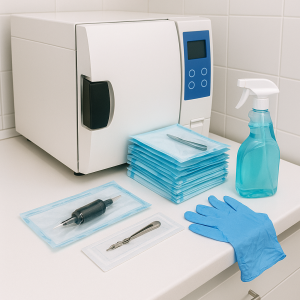 Sterilization 2026: Setting the Gold Standard in Your StudioReviewing a studio's sterilization arrangements means checking an established, documented process with a qualified person. A clean-looking instrument or a completed…