Best Tattoo Machines & Supplies for Beginners
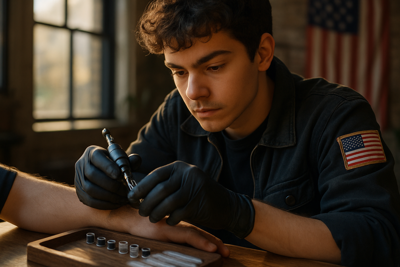
Starting out in tattooing is exciting, but choosing the right gear can feel overwhelming. In this guide tailored for aspiring artists in the United States, we’ll walk through the Best Tattoo Machines & Supplies for beginners — from power supplies and needles to hygiene essentials and aftercare. Whether you’re preparing to train online with Skinart United States or building a first starter kit, the choices you make now shape your early technique, client safety, and long-term success.
Use this guide to organize equipment questions before making a purchase. Confirm the exact requirements for your course assignments and distinguish practice supplies from the equipment required for professional services.
- Introduction to Tattoo Gear
- Choosing Your First Tattoo Machine
- Essential Supplies and Why They Matter
- Common Equipment Mistakes Beginners Make
- Safety, Hygiene & Legal Requirements
- Maintenance & Care for Equipment
- Where to Buy (and What to Avoid)
- FAQs — Best Tattoo Machines & Supplies for Beginners
- Final Thoughts
Introduction to Tattoo Gear
Choose tools that match the assigned exercise and the manufacturer’s specifications. Equipment should be compatible and supported, but no machine guarantees predictable results or replaces training and assessment.
For learners in the United States, local regulation and infection control standards inform what you can and cannot do in a studio. Good equipment supports compliance: a stable power supply with a reliable RCA or clip cord connection, single-use sterilised needles, disposable grips, and clean ink management are all practical building blocks for safe workflows.
Compare equipment against the assignment requirements, compatibility, manufacturer documentation and total cost. Ask the course team about unclear specifications rather than relying on a generic starter-kit label.
Choosing Your First Tattoo Machine
Machine format is one comparison point, alongside compatibility, weight, power requirements, cleaning instructions and service support. Ask which specifications your assignments require before choosing a model.
Questions to compare across machine formats:
- Pen-style rotary: check the exact grip, cartridge and power compatibility, dimensions and maintenance instructions.
- Coil: confirm the setup and adjustment knowledge required for the model and whether it suits the assigned activity.
- Cartridge-compatible systems: verify the specific cartridge and grip compatibility; “cartridge-ready” does not mean every component fits.
Read the manufacturer’s warranty, servicing arrangements and power specifications. Confirm every component in the proposed setup is compatible before buying accessories.
Before choosing a machine format, ask which models or specifications suit the assigned exercises. Compare compatibility, handling, servicing and cost using current manufacturer information rather than assuming one machine type suits every beginner.
Essential Supplies and Why They Matter
Beyond the machine, a beginner kit should prioritise safety, hygiene, and tools that encourage consistent technique. The Best Tattoo Machines & Supplies are not only about performance — they must support sterile workflows and accurate colour work. Below are categories and rationale you need to prioritise before buying.
Separate single-use items from reusable components and read the care instructions for each. Do not assume electrical drives, power supplies or cables can be sterilised in an autoclave. For example, Cheyenne’s drive instructions prohibit autoclaving or ultrasonic cleaning of the drive and connecting cable. Use the manual for your exact equipment.
Use the following categories to discuss assignment requirements with the course team. This is not a complete studio specification or permission to begin client work.
- Machine meeting the confirmed assignment requirements
- Compatible power system and any required controls
- Disposable cartridge needles or pre-sterilised round liners and magnums (variety of sizes)
- Disposable grip covers and barrier film
- Medical-grade gloves (nitrile) in sizes S–XL
- Single-use ink caps and cap organiser
- High-quality tattoo inks from reputable manufacturers
- Skin prep: green soap, sterilised razors, alcohol wipes, antiseptic
- Aftercare supplies: specialised ointments, sterile dressings, client pamphlets
- Sharps container and clinical waste bags (for safe disposal)
- Workstation items: disposable barriers, barrier tape, and cleaning solutions
Common Equipment Mistakes Beginners Make
- Buying cheapest machines without warranty or US support
- Using inconsistent power supplies that fluctuate voltage
- Mixing reusables and disposables incorrectly (cross-contamination risk)
- Buying needle sizes or quantities before confirming the assigned requirements
- Failing to use barrier film and disposable covers on surfaces
- Assuming all inks are created equal — using unknown brands
- Neglecting proper sharps disposal and local clinical waste rules
- Overlooking ergonomics — poor stools and lighting cause fatigue
- Relying on online marketplaces without checking seller reputation
- Skipping training and trying to self-teach with only videos
Build a purchase list from the confirmed specifications, then compare total cost, documentation, support and replacement consumables. A low or high price alone does not establish suitability.
Ask how your course teaches equipment setup and care, and follow the manufacturer’s instructions for the exact model. Equipment knowledge does not guarantee a particular client outcome or substitute for practical assessment.
Safety, Hygiene and Legal Requirements
Safety and hygiene are non-negotiable. The Best Tattoo Machines & Supplies for beginners are those that make compliance easier: single-use needles from reputable manufacturers, stamped sterile packaging, clear expiry dates on disposables, and reliable sharps containers. In the US, states and municipalities have varying rules on tattooing — check your local health department for exact requirements.
Important elements to note:
- Always use pre-sterilised, single-use needles and disposables
- Maintain an easily cleaned workstation with barriers between clients
- Record client consent, medical history, and aftercare instructions in writing
- Use commercial-grade sharps containers and dispose in accordance with local regulations
- Ensure you have basic bloodborne pathogens (BBP) training; it’s required in many jurisdictions
- Keep ink handling hygienic: single-use ink caps and never dip back into original bottles
- Label and date opened products where required and store according to manufacturer instructions
- Regularly test and maintain your sterilisation and cleaning equipment
Maintenance and Care for Equipment
Read the model’s care and servicing instructions before using it. Distinguish user maintenance from work that should be performed by the manufacturer or an authorized service provider; do not improvise internal repairs or lubrication.
Key maintenance actions:
- Clean and disinfect compatible surfaces using the equipment manufacturer’s instructions and the product label; do not substitute a skin antiseptic for a specified surface disinfectant.
- Change and discard needles and caps after each use — never reuse
- Use barrier covers for power supplies, clip cords, and armrests
- Perform routine checks on power supply stability and pedal function
- Keep a maintenance log for machines — date, issue, resolution
- Dispose of single-use items after use and follow the applicable instructions for other consumables
Stop using equipment that behaves unexpectedly and seek the appropriate technical support. Do not compensate for a fault by changing technique or settings without resolving the problem.
Where to Buy and What to Avoid
Buy from reputable US-based suppliers who provide warranties and clear returns policies. Beware of anonymous sellers on global marketplaces selling ‘clone’ machines or unlabelled inks — they may be cheap but introduce health risks and unreliable performance. For disposable medical items, always check FDA guidance and manufacturer traceability.
Reliable places to source supplies in the United States include established tattoo supply wholesalers and well-reviewed local suppliers who understand state regulations. If buying online, look for verified customer reviews, published warranty information, and clear contact points for technical support.
What to avoid:
- Unbranded inks without ingredient transparency
- Machines with no US support or warranty
- Needles or disposables sold without sterile packaging or expiry information
- Exterior-only reviews — seek content from artists who tested the product in practice
- Store credit-only sellers with poor return policies
- Any item that can’t be traced to the manufacturer or distributor
Frequently Asked Questions — Best Tattoo Machines & Supplies for Beginners
Below are common questions beginner tattooists search for. Each answer is concise to help you make quick, safe decisions as you build your kit.
What is the best first tattoo machine for beginners?
Choose a model that meets the assignment requirements and that you can maintain and support appropriately. Confirm the choice with the course team rather than treating one machine format as universally best.
Which supplies are essential in a beginner kit?
Request the exact supplies for your next assignment, including compatibility and quantities. Separate those materials from any later studio requirements before placing an order.
How much should I expect to spend on starter equipment?
Build a current budget from itemized quotations, delivery, compatible accessories and replacement consumables. This guide does not provide a fixed kit price because specifications and supplier prices differ.
Can I buy needles and inks online in the US?
Yes — many reputable tattoo suppliers operate online in the United States; ensure they provide sterile-packaged needles, ingredient lists for inks, and clear returns/warranty policies before purchasing.
Does Skinart United States provide equipment with the course?
Check the current online tattoo course for equipment arrangements and ask for assignment specifications before ordering. Confirm what is included and what you need to source separately.
Final Thoughts
Make the purchase decision from confirmed requirements, current product documentation and total cost. Keep practice equipment planning separate from approval and preparation for professional services.
Choose equipment to support a clear learning task. Review the course requirements, ask about assessment and feedback, and avoid buying a larger kit merely because it is marketed as a professional starting package.
Recent Blog Posts
 Choose your next learning goal with evidenceA long list of courses can make progress feel harder to define. Start with a specific task you want to understand…
 Avoid These Consultation Mistakes in 2026A good consultation leaves the client and artist with the same understanding of the proposed work, its limits and the next…
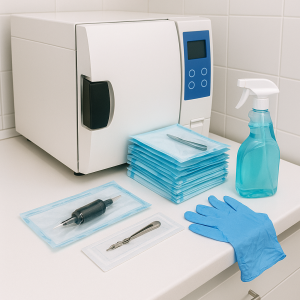 Sterilization 2026: Setting the Gold Standard in Your StudioReviewing a studio's sterilization arrangements means checking an established, documented process with a qualified person. A clean-looking instrument or a completed…