How to Become a Body Piercer in the United States
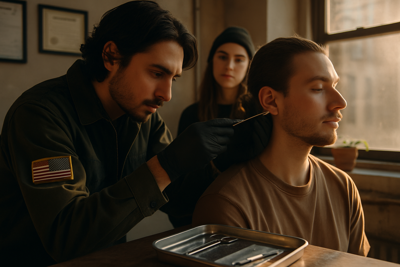
A career in body piercing involves practical skill, client communication and responsibility for the working environment. This guide helps you compare training, investigate local requirements and plan further supervised experience without assuming that a certificate alone makes you ready to take clients.
The industry is regulated differently from state to state, and success depends on more than just technique — it requires knowledge of blood-borne pathogens, local health codes, client consultation skills, and business basics. Read on to learn a step-by-step plan tailored for aspiring piercers anywhere in the United States.
Table of Contents
Choose a section to find the information you need.
- Overview: What Becoming a Piercer Means
- Legal & Health Requirements by State
- Skills, Training Path & Practical Experience
- Common Mistakes New Piercers Make
- Step-by-Step: Getting Started as a Piercer
- Certifications, Accreditation & Insurance
- How Skinart United States Can Help
- Frequently Asked Questions
- Final Thoughts & Next Steps
Overview: What Becoming a Piercer Means
At its core, becoming a body piercer in the United States means developing technical competency, mastering aseptic technique, and understanding the legal and public health framework that protects both you and your clients. “How to Become a Body Piercer in the United States” is not a single checklist that applies nationwide — each state and many local health departments have their own rules — but the fundamentals remain consistent: safety, informed consent, record-keeping, and good aftercare guidance.
Compare the actual curriculum before choosing training. Look for anatomy, infection prevention, jewelry selection, consultation, consent and aftercare topics, then ask how understanding and assigned practical work are assessed. Establish which activities require separate supervision.
A professional pathway includes practical preparation, client communication and the requirements for the intended workplace. Use this guide to organize those decisions and compare the actual syllabus and assessment of any course you are considering.
Legal & Health Requirements by State
Regulation for body piercing in the United States varies widely. Some states require piercers to register with a local health department or complete specific blood-borne pathogen (BBP) training. Others defer to municipal rules or have minimal regulation. Because of this variability, it’s essential to research both state and local health department requirements where you plan to work.
Questions to resolve for your intended workplace:
- Which authority handles the proposed premises and piercing services?
- Which training providers and certificates are accepted for the evidence requested?
- Would moving to another city or state require a new application or further evidence?
- What premises review or inspection is needed before appointments can begin?
- Which approvals must be in place before you advertise or accept bookings?
- What records must be kept, who may access them and how should they be stored?
Check the relevant state and local authorities for requirements for your proposed piercing service. For workplace exposure information, read OSHA’s bloodborne pathogens and needlestick prevention overview. It covers workplace protection measures and is not a piercing license or course-approval resource.
If you plan to travel between states or offer mobile services, plan for additional licensing or notification processes in each jurisdiction. Local requirements can also influence what training you need — some jurisdictions expect piercers to hold specific certifications before operating legally.
Skills, Training Path & Practical Experience
Ask prospective workplaces what training and practical experience they expect. Compare those requirements with the course syllabus, then establish any additional supervised learning needed for your intended role.
Online lessons and practical supervision have different roles. Ask how the course assesses assigned work and which activities need a separate arrangement. Do not assume enrolment includes a placement or that one format suits every learning need.
Use these subject areas to compare a syllabus and prepare questions for a supervisor. A topic appearing in a course outline does not establish practical competence in it.
- Anatomy and safe placement (ear, nose, navel, eyebrow, oral anatomy for lip/cheek support)
- Aseptic technique: surface disinfection, gloving, sterile fields
- Blood-borne pathogen control and proper sharps handling
- Jewelry selection, sizing and fitting for immediate and long-term outcomes
- Piercing tools and methods: hollow needles vs cannulas, clamp use where appropriate
- Client consultation and informed consent documentation
- Aftercare communication, limits of the piercer’s role and referral procedures
- Record keeping, pricing, and appointment workflow
- Customer service, communication under stress, and handling minors with consent rules
- Recognizing concerns that require stopping a service or referring the client for appropriate assessment
Common Mistakes New Piercers Make
- Rushing sterile setup and skipping double-checks
- Using inappropriate jewelry materials or sizes
- Poor client consultation — not assessing medical history thoroughly
- Inadequate aftercare instructions or failing to ensure comprehension
- Not documenting consent or missing essential client records
- Proceeding with unresolved suitability questions instead of following the agreed assessment and referral process
- Improper needle technique (angle, depth, needle orientation)
- Choosing a technique or tool without appropriate instruction and assessment
- Underestimating the value of mentorship and practice hours
- Inconsistent or poor communication about healing timelines
Use these topics to prepare questions for a tutor or supervisor. Appropriate feedback and assessment help identify gaps; completing a checklist does not establish that errors or complications will be prevented.
Ask the supervising practitioner how they assess consultation, preparation, client communication and documentation. Keep feedback on each assessed activity and resolve gaps before taking on further responsibility. A short procedure checklist cannot replace instruction or assessment.
Step-by-Step: Getting Started as a Piercer
If you’ve decided to pursue piercing professionally, follow a structured approach. Below is a practical step-by-step plan adapted for aspiring piercers in the United States.
Compare the current online course with your learning needs and practical requirements. Establish any local supervised experience separately, including who provides it, what activities it covers and how progress is assessed.
- 1. Research your local and state requirements — visit the health department site and local city regulations.
- 2. Compare course content, assessment, access time and any separately required training before enrolling.
- 3. Complete required certifications (e.g., BBP, first aid) accepted by your local authorities.
- 4. Find a mentor or supervised clinic to practise placement and technique.
- 5. Build a case log of supervised piercings and feedback from supervisors.
- 6. Apply for any local permits or studio inspections required by your jurisdiction.
- 7. Set up your workspace with correct sterilisation equipment and written policies.
- 8. Begin offering services only after practical readiness and the required operating arrangements are established; friends and family are not a shortcut to those requirements.
- 9. Keep improving: accept continuing education, join professional networks, and keep up to date with health guidance.
Build the roadmap around verified requirements and your assessed progress. No combination of course study and practice guarantees the fastest route or a particular completion date.
Remember: “How to Become a Body Piercer in the United States” is both a technical and regulatory journey — invest time in both areas for sustainable success.
Certifications, Accreditation & Insurance
Ask the intended authority or workplace which certificates and assessment evidence it requires. Confirm any separate BBP or first-aid requirements and accepted providers rather than assuming a general course certificate covers them.
Describe your planned procedures, experience and work arrangement to an insurer. Ask about covered activities, exclusions, supervision conditions and required evidence. Do not assume that a policy name guarantees cover for every procedure or circumstance.
- The actual course certificate and assessment evidence requested by a prospective workplace
- Written confirmation of acceptance where a particular credential is required
- Any separately required bloodborne-pathogen training and renewal evidence
- Any required first-aid or CPR training
- Public liability insurance specific to body art
- Professional indemnity insurance where applicable
- Local business permits and studio inspection certificates
- Client-record and consent arrangements checked for the intended service
How Skinart United States Can Help You Become a Piercer
Review the current Skinart US online piercing course for its curriculum and selected-option details. Ask how theory, assigned practice and assessment fit together. If you need the training accepted for a particular workplace or location, confirm that with the relevant recipient using the actual course information.
Skinart offers online training for US learners rather than in-person US instruction. If you need local supervised practice or mentorship, ask how you will arrange it and how it fits with your learning plan before enrolling.
Questions to ask before choosing the Skinart course:
- Which subjects and course options are included in the advertised price?
- How are infection-prevention knowledge and assigned practical work assessed?
- Which learning materials and templates are included?
- How long can you access the lessons and complete assessments?
- Ask whether guidance on practical records is included in the selected course.
- What tutor support is available, and how are questions or submissions reviewed?
- What additional supervised experience or local requirements must you arrange separately?
When planning your route into piercing, distinguish online study from practical supervision and any local authorization to work. Ask prospective mentors about their experience, the skills they assess and the support they provide. A course certificate should not be treated as proof that every requirement has been met.
Frequently Asked Questions
Below are common questions people ask when searching “How to Become a Body Piercer in the United States”. Each answer is concise and aimed at helping you take the next practical step.
Q: What is the first step to become a body piercer in the United States?A: Start with the intended location and workplace. Identify their requirements, compare courses against those needs and establish how practical supervision and assessment will be arranged before enrolling.
Q: Do I need a license to pierce in the U.S.?A: Licensing depends on your state and city — some jurisdictions require business permits, facility inspections, or specific certifications, while others have minimal direct licensing for individual practitioners. Check your local health authority.
Q: Is Blood-Borne Pathogen (BBP) training required?A: Ask the relevant authority and intended workplace which bloodborne-pathogen training and evidence they accept, including any renewal requirements. Do not assume the piercing course includes a separate accepted certificate.
Q: Can I learn piercing entirely online?A: Review what the online course teaches and assesses, then clarify what practical learning must take place under separate supervision. Ask how feedback is delivered and how readiness for the intended work will be assessed.
Q: How long does it take to become competent enough to work in a studio?A: There is no reliable universal timeline. Plan around the course requirements, feedback, assessed practical progress and any additional arrangements you need. Confirm access and review times before setting a completion target.
Final Thoughts & Next Steps
Explore the career by checking its day-to-day responsibilities, training pathway and practical expectations. Review your plan as you gain feedback and confirm the requirements for the intended work.
Start with the current course details and the requirements of prospective workplaces. Record what you need to learn, how it will be assessed and what further experience must be arranged. A portfolio or course certificate does not guarantee a placement or bookings.
A useful first action is to compare one course outline with the written requirements of a prospective workplace. List any gaps, who can answer them and what they may cost. This gives you a concrete basis for deciding whether the next step fits your plans.
Recent Blog Posts
 Choose your next learning goal with evidenceA long list of courses can make progress feel harder to define. Start with a specific task you want to understand…
 Avoid These Consultation Mistakes in 2026A good consultation leaves the client and artist with the same understanding of the proposed work, its limits and the next…
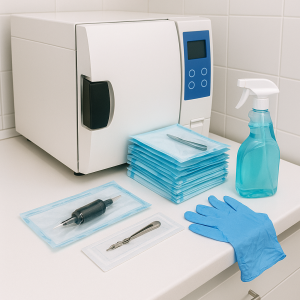 Sterilization 2026: Setting the Gold Standard in Your StudioReviewing a studio's sterilization arrangements means checking an established, documented process with a qualified person. A clean-looking instrument or a completed…