Is Body Piercing a Good Career? Training, Work and Costs

A piercing career involves detailed practical work, jewelry knowledge and communication with clients. Assess whether that work interests you alongside the training, supervised experience and costs involved. Flexible hours or a steady client list should not be assumed.
This guide considers training, work arrangements, costs and questions to ask before pursuing piercing professionally. Use it to prepare for discussions with a course provider and a prospective workplace.
Table of Contents
Choose a section to find the information you need.
- Overview: What a Piercing Career Looks Like
- Is It Right for You? Pros & Cons
- Skills, Pathways & Where Piercing Fits
- Common Mistakes New Piercers Make
- Regulation & Licensing in the United States
- Training, Certification & Course Options
- Demand, Pricing & Financial Outlook
- Evaluating Local Opportunities
- FAQ: Is Body Piercing a Good Career? Training, Work and Costs
- Final Thoughts & Next Steps
Overview: What a Piercing Career Looks Like
The right career choice depends on your interests, available learning time and local opportunities. Ask a working studio about its routines and expectations, including preparation, records, appointments and follow-up work.
Piercing requires in-person practical work and client communication. Before changing careers, investigate the roles available near you and the experience they require. Interest in body art alone is not evidence of consistent local demand or income.
When considering piercing as a career, look beyond the procedure itself. Ask working studios how they organize consultations, appointments, cleaning, client communication and administration, and what responsibilities a beginner would take on.
Is It Right for You? Pros & Cons
Piercing suits people who enjoy direct client work, steady skill progression, and hands-on craftsmanship. Below is a balanced view of advantages and trade-offs so you can decide if the path aligns with your lifestyle.
- Potential advantages — detailed hands-on work, ongoing jewelry learning and direct contact with clients. Ask a working studio what its actual daily schedule involves, including the work between appointments.
- Potential drawbacks — physical demands, responsibility for infection prevention, time spent on records and follow-up, and uncertain earnings while establishing a role or business.
Compare possible work arrangements using actual terms from the studio or business involved. Establish the supervision, permitted work, fees and responsibilities before making assumptions about a part-time or full-time role.
Technical development, client communication and business administration all deserve attention. Use evidence of progress and actual costs to assess the next step rather than treating any course as a promise of a sustainable business.
Skills, Pathways & Where Piercing Fits
Ask how your training develops practical skills, jewelry knowledge, hygiene and client communication. Establish what further supervised experience your intended workplace expects.
Plan the learning pathway around your starting experience and intended work. Ask the course provider and prospective workplace about practical assessment, supervised experience and the evidence they require before considering independent work.
Use these subject areas to compare training and discuss practical expectations with a prospective supervisor. They are not a checklist that independently establishes readiness to work.
- Infection control and blood-borne pathogen protocols (BBP basics)
- Anatomy and safe piercing placement
- Hands-on technique: sterile technique, angulation, and tissue handling
- Aftercare planning and client education
- Jewellery knowledge: metals, threadless, captive bead, barbells, rings
- Record-keeping and consent forms
- Basic business skills: pricing, scheduling, tax basics for independent contractors
- Marketing and brand building: social media, referral networks, reputation management
- Client psychology and empathy — handling nervous or first-time clients
Common Mistakes New Piercers Make
- Skipping or rushing infection control procedures
- Using the wrong jewellery material for a client’s history (e.g., not checking for metal allergies)
- Poor client communication — failing to set expectations about healing and aftercare
- Inadequate record keeping or lack of signed consent
- Accepting procedures beyond experience without supervision
- Underpricing services and undervaluing time and expertise
- Not investing in continuing education or specialist workshops
- Poor digital presence — weak photos, inconsistent branding, or negative online reviews left unaddressed
Use these topics to identify gaps in your preparation and questions for a tutor or supervisor. Confirm which activities the course actually includes; enrolment alone does not establish a working routine or practical competence.
Ask the Skinart team what consultation, client-care and business learning materials are included in your chosen course. Review the actual syllabus and examples rather than assuming particular templates or outcomes are provided.
Regulation & Licensing in the United States
Start with the relevant state and local authorities for the exact location where you intend to work. Ask about practitioner requirements, premises approval, accepted training evidence and the services you plan to offer. Keep written answers with your career-planning notes.
Avoid choosing a location on the assumption that its rules are lighter. Identify the responsible authority and ask about the proposed address and procedures directly. A general description of a state or region is not enough to make an operating decision.
- Check local health department requirements for studio permits and inspections
- Confirm whether BBP or first aid certification is required for practitioners
- Understand age-of-consent local rules for different piercing types
- Be aware of record-keeping requirements and retention periods
- Ask separately about requirements for the practitioner and the premises
- Check waste disposal rules for sharps and disposable materials
- Describe the intended procedures and work arrangement to an insurer and check exclusions
- Ask what client information and notices are required for the proposed service
Because rules change, make local research a routine part of your business plan. If you plan to move between states, understand how licensing portability (or the lack of it) may affect your mobility.
Training, Certification & Course Options
Compare training by its current syllabus, practical assessment, tutor feedback and relevance to your intended work. Ask the relevant local authority about requirements and discuss those with the provider before enrolling.
The published Skinart piercing curriculum includes equipment, health and safety, client care, jewelry, workstation preparation and piercing demonstrations. Ask how practical exercises are assessed and what additional supervised experience you may need for the work you intend to do.
For US learners, confirm the online course’s practical requirements, assessment arrangements and equipment needs before buying. If you need a local placement or supervisor, establish those arrangements separately rather than assuming they are included.
- Compare the syllabus, assessment and support arrangements with your learning requirements.
- Check whether the course includes guidance for local regulatory compliance
- Check the relevant experience of the tutors responsible for your chosen subject.
- Assess whether the course includes business modules (pricing, client records, marketing)
- Ask about post-course support: mentorship, critique of your portfolio, and business templates
Demand, Pricing & Financial Outlook
Compare the proposed studio fees or commission arrangement, expected expenses and available appointment capacity. Local prices alone do not tell you how many paid bookings you will receive or what you will take home.
Research comparable local services and note whether quoted prices include jewelry or follow-up appointments. Build your own estimate from costs and paid bookings; an unsupported national price range is not a reliable earnings forecast.
Separate the cost of learning from the cost of operating. List course fees, equipment requirements and any supervised-experience costs first. Then compare the actual rent or commission terms, supplies, insurance and administration costs of the work arrangement being considered.
- Start-up considerations: marketing, photography, booking system fees, consumables
- Recurring costs: insurance, professional memberships, continuing education
- Potential revenue: count only services and products you plan and are permitted to offer; distinguish gross sales from the amount remaining after costs
- Pricing comparison: note what each local quote includes before comparing it with your own cost estimate
- Capacity: model quiet periods, cancellations and time spent outside paid appointments
- Expansion decisions: price the additional premises, staffing and administration before assuming more appointments improve take-home income
- Break-even check: divide recurring fixed costs by the amount left per appointment after its direct costs. This is a planning estimate, not a forecast of bookings or a date when the business will become profitable.
- Cash buffer: include recurring bills during training, quiet periods and unexpected interruptions
Evaluating Local Opportunities
Evaluate local opportunities using actual job offers, responsibilities and training requirements. If you are considering a business, distinguish enquiries from completed paid appointments and include the costs of providing the service. An anonymous story about a busy calendar is not an earnings forecast.
Keep your research grounded in the opportunities and costs you can verify. Review the evidence again when the role, workplace or proposed service changes.
If graduate outcomes matter to your decision, ask for examples the provider can substantiate and clarify what training and experience those graduates completed. Do not treat an anonymous success story as evidence of a likely placement or business outcome.
FAQ: Is Body Piercing a Good Career? Training, Work and Costs
Is body piercing a stable career choice?
Career stability depends on actual work opportunities, demand, costs and your circumstances. Compare available roles or a realistic business budget before relying on piercing as your main income.
How much can I expect to earn as a piercer in the United States?
Estimate earnings using your intended service prices and realistic paid appointment capacity. Deduct jewelry, consumables, premises costs and other expenses, and keep business revenue separate from personal take-home income. A growing reputation does not guarantee a particular income.
Do I need in-person training to become a piercer in the U.S.?
Ask the relevant authority and intended workplace what training and supervised experience they require. Compare those answers with the course’s actual syllabus and assessment arrangements before making a commitment.
What are the biggest risks to avoid as a new piercer?
Consider whether you are prepared for the responsibility of infection control, working within your competence and clear client communication. Ask how practical readiness is assessed and what supervision is appropriate; an accreditation label alone does not establish readiness.
Can I start part-time and scale into full-time?
Part-time work may be an option if a suitable arrangement is available. Confirm the permitted activities, supervision, fees, schedule and responsibilities first. A smaller number of bookings does not automatically mean lower startup costs or less financial risk.
Final Thoughts & Next Steps
A piercing career may suit someone who enjoys practical learning and working with clients. Before committing, compare training options, clarify practical support and make a realistic budget for the learning stage. Revisit the decision as you gain evidence of the work involved.
If the work interests you, investigate the training and practical preparation first. Speak with prospective workplaces, clarify applicable requirements and budget for the learning period before making an employment or business commitment.
If piercing is the direction you want to explore, start by comparing the current course details with your learning goals and available study time. Resolve equipment, assessment and support questions before enrolling, and budget separately for any further practical preparation.
Recent Blog Posts
 Choose your next learning goal with evidenceA long list of courses can make progress feel harder to define. Start with a specific task you want to understand…
 Avoid These Consultation Mistakes in 2026A good consultation leaves the client and artist with the same understanding of the proposed work, its limits and the next…
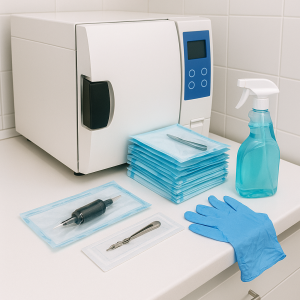 Sterilization 2026: Setting the Gold Standard in Your StudioReviewing a studio's sterilization arrangements means checking an established, documented process with a qualified person. A clean-looking instrument or a completed…