Body Piercing Certification Requirements in the United States
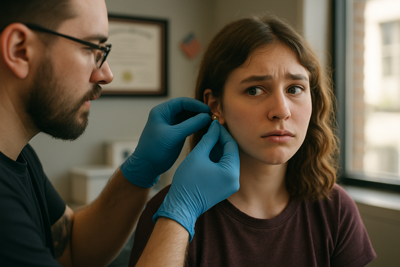
Understanding Body Piercing Certification Requirements in the United States can feel overwhelming — federal, state and local rules all play a part. Whether you’re starting a piercing career or hiring staff for a new studio, knowing which certifications, trainings and legal steps are needed will protect clients, your business, and your reputation.
In this guide we break down the most important legal and practical elements of piercing compliance in the United States, explain what local health departments usually require, and outline realistic paths to meet those requirements. We’ll also show how accredited online training — like Skinart United States’ piercing course — fits into your route to safe, professional practice.
Identify which organization needs to accept your training and ask it about the specific course. A certificate title alone does not establish that every requirement for your intended work has been met.
Table of Contents
Choose a section to find the information you need.
- Overview: What “Certification” Means in the US
- State & Local Legal and Regulatory Landscape
- Training and Accredited Certification Options
- Health, Safety & BBP Requirements
- Common Mistakes New Piercers Make
- Recordkeeping, Consent & Age Rules
- How to Get Started: From Course to Chair
- Frequently Asked Questions
- Final Thoughts & Next Steps
Overview: What “Certification” Means in the United States
When we discuss Body Piercing Certification Requirements in the United States it’s important to recognise there is no single federal licence that covers all body piercing activity nationwide. Instead, certification usually means completing recognised training (often including Bloodborne Pathogen training), meeting state and county health requirements, and obtaining any local business or facility permits required to operate legally.
Some municipalities treat piercing as a subset of tattooing and apply the same rules; others have separate piercing-specific requirements. The term “certified” can therefore refer to one or more of the following: an accredited course certificate, an official local health department permit, or proof of completed infection control training.
Start by asking the organization responsible for your proposed work which requirements apply. Compare training options with its response before committing to a course or premises.
State & Local Legal and Regulatory Landscape
Each state — and often each county or city — defines its own requirements around body piercing. Some jurisdictions require piercers to be licensed individually, while others regulate the facility. Key legal elements to check include:
- Whether piercing is regulated separately or under tattooing laws
- Mandatory Bloodborne Pathogen (BBP) training and accepted providers
- Facility permit, inspection schedule, and local zoning rules
- Age restrictions and parental consent documentation
- Requirements for clinical waste disposal and sterilisation logs
As an example, New York City’s Health Code has specific rules for piercing and requires inspection of premises and proof of training for staff. California counties often require BBP certification and impose requirements around sharps disposal. Small towns may have simpler rules but still expect compliance with basic public health standards.
Because of these local differences, we advise contacting the health or licensing department where you’ll work. Most departments publish guidance online — searching “[your county] body piercing requirements” usually returns the relevant permit forms and inspection checklists.
Training and Accredited Certification Options
Accredited courses are the most reliable path to meet many of the Body Piercing Certification Requirements in the United States jurisdictions. Accredited training typically covers: anatomy, aseptic technique, piercing methods, aftercare, cross-contamination control, emergency response and business practices.
Review the current online piercing syllabus and ask how assignments are assessed. Send the actual course details to any authority or employer that needs to accept the training evidence; provider accreditation alone does not establish acceptance.
Important note: Skinart United States does not supply piercing equipment in the United States. Students learn correct technique, aseptic set-up and aftercare, but are responsible for sourcing their own professional, compliant equipment locally.
- Accredited online course certificate (CPD / BAQA)
- BBP (Bloodborne Pathogen) training certificate (common local requirement)
- Local facility permit or individual operator licence where applicable
- Proof of inspection or compliance documentation on request
- Continuing education to keep techniques and safety current
Health, Safety & Bloodborne Pathogen (BBP) Requirements
Health and safety are central to Body Piercing Certification Requirements in the United States practice. Most authorities expect piercers and facilities to follow infection prevention protocols aligned with CDC guidance and OSHA standards for bloodborne pathogens.
Typical BBP and infection control elements include training on sharps handling, use of sterile single-use needles, surface disinfection protocols, personal protective equipment (PPE), and proper disposal of clinical waste. Many health departments list acceptable BBP providers and may ask to see certificates during inspections.
Ask which infection-control topics and assessments are included in the selected course. Confirm any separate bloodborne-pathogen training or inspection requirements with the responsible organization.
- Completed and dated BBP certificate
- Written aftercare instructions for clients
- Single-use sterile needles and traceable implants
- Appropriate sharps containers and clinical waste contracts
- Sterilisation logs for reusable tools (where applicable)
- PPE and documented cleaning schedules
- Emergency protocols for adverse reactions
- Clear client assessment and contra-indication checks
Common Mistakes New Piercers Make
- Assuming one certificate covers all local requirements
- Skipping BBP or using unaccredited BBP providers
- Neglecting to register or permit the facility with the local health department
- Poor recordkeeping: no client forms, no sterilisation logs
- Using non-compliant jewellery or reusing needles
- Inadequate aftercare advice or unclear consent forms
- Assuming minors can be pierced without documented parental consent
- Purchasing uncertified equipment from unreliable sources
Failing to follow local rules can lead to fines, forced closure, or reputational damage. Inspectors routinely request evidence of training, BBP, and facility compliance — so organised documentation pays off.
One practical tip: keep a dedicated binder or digital folder with scanned certificates, inspection reports, and client consent forms. Make it easy to present on short notice — local health departments appreciate cooperative, prepared operators.
Recordkeeping, Consent & Age-Related Rules
Consent and recordkeeping are a legal and ethical foundation for safe piercing practice. Many local authorities require piercers to keep a client record for a minimum time period, to collect medical information and to document consent.
Age limits vary. Some states impose strict minimum ages for different piercing locations (for example, certain ear piercings vs body piercings), while others allow minors with documented parental consent. Always verify local age requirements and maintain clear, signed consent forms.
- Client details and ID verification
- Medical history and contra-indications checklist
- Signed informed consent and aftercare instructions
- Procedure notes: site, jewellery, needle size, practitioner
- Follow-up records if a complication occurs
Keep the records requested for your work organized and accessible to authorized people. Records can support an enquiry, but cannot guarantee that a complaint or dispute will be avoided.
How to Get Started: From Course to the Chair
List the confirmed requirements, dependencies and application steps for your intended work. Use that information to choose the training and practical arrangements needed rather than assuming one sequence applies everywhere.
Ask the training team which completion documents and assessment evidence are issued. Confirm their acceptance with the authority or employer receiving them before relying on the course for that purpose.
Because regulations are local, expect to allocate time for permit applications and inspections. In many areas the practical setup (facility layout, sterilisation arrangements, waste collection) is as important as the certificate when an inspector reviews your readiness to operate.
- Step 1: Confirm local rules and required documentation
- Step 2: Complete accredited piercing training and BBP
- Step 3: Prepare the facility for inspection (if required)
- Step 4: Apply for permits and schedule inspections
- Step 5: Build client-consent and aftercare documentation
- Step 6: Continue professional development and log CPD
Checking Certificate Acceptance
Check acceptance of the specific training directly with the relevant authority or organization. Provide the course information rather than assuming that an accreditation label answers every requirement.
Keep the response with your course comparison and note any further evidence requested. Resolve acceptance questions before relying on the course for that particular purpose.
Equipment, Supplies and Studio Setup
While training teaches you how to use professional equipment safely, remember: Skinart United States does not supply piercing equipment in the United States. You will need to source compliant, medical-grade supplies locally or from approved vendors.
Minimum equipment recommendations commonly requested by inspectors include:
- Single-use sterile needles and sterile jewellery with traceable materials
- Autoclave (if reusable tools are used) and maintained sterilisation logs
- Sharps containers within reach of the procedure area
- Surface disinfectants with EPA registration appropriate for clinical settings
- PPE: gloves, masks, and eye protection
- Procedure trays, sterile drapes, and single-use consumables
- First aid and emergency response materials
- Clear signage and client aftercare literature
When purchasing, check materials’ biocompatibility and vendor reputation. Inspectors may ask for product certificates or supplier contact details during compliance checks.
Confirming Requirements for Your Proposal
Ask the relevant authority what training evidence it requires for your intended service and premises. Supply the actual course details rather than assuming an accreditation label guarantees acceptance or faster inspection.
For mobile or event work, describe the exact operating arrangement and ask about it separately. Keep the response and any conditions with your planning records before accepting appointments.
Use the requirements confirmed for your own proposal. An anonymous account of another studio’s approval or bookings cannot establish whether your application will be accepted or your business will succeed.
Frequently Asked Questions
Below are common questions people search for about Body Piercing Certification Requirements in the United States and concise, practical answers.
Q: Do I need a federal licence to pierce?
No — regulation is local. Meet accredited training and local permit requirements instead.
Q: Which certifications are most commonly requested by inspectors?
BBP certification, an accredited course completion certificate (CPD/BAQA), and documented facility compliance are the most common items inspectors request.
Q: Can I pierce minors with parental consent?
It depends on local rules. Some jurisdictions allow certain piercings with documented parental consent; others prohibit piercing minors for particular body sites. Always check local law.
Q: How long does accredited training take?
Online accredited courses vary. Skinart United States’ online piercing course is designed to be comprehensive yet flexible to fit students’ schedules; check the course page for typical completion guidance.
Q: Will my certificate be accepted everywhere?
Most accredited certificates are widely recognised, but requirements differ. Confirm acceptance with your local health department before relying solely on a certificate for permitting.
Final Thoughts: Move Forward Confidently
Meeting Body Piercing Certification Requirements in the United States practice is an achievable process when you combine accredited education, BBP training and clear liaison with local health departments. Certification isn’t just about a piece of paper — it’s proof you prioritise client safety and run a professional service.
Take the organised approach: research local rules, complete accredited training, document everything, and prepare your studio or mobile setup for inspection. Following these steps reduces risk, builds client trust and opens professional doors in studios across the country.
If you’re ready to gain recognised accreditation and practical knowledge that local inspectors and employers respect, Skinart United States’ CPD and BAQA-accredited online piercing course is designed to get you there.
Ready to Get Accredited?
Enroll in Skinart United States’ accredited online piercing course and get the recognised knowledge local health departments and studios look for.
Recent Blog Posts
 Choose your next learning goal with evidenceA long list of courses can make progress feel harder to define. Start with a specific task you want to understand…
 Avoid These Consultation Mistakes in 2026A good consultation leaves the client and artist with the same understanding of the proposed work, its limits and the next…
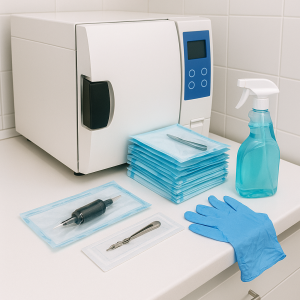 Sterilization 2026: Setting the Gold Standard in Your StudioReviewing a studio's sterilization arrangements means checking an established, documented process with a qualified person. A clean-looking instrument or a completed…