Microblading Courses in the United States: Choosing Your Training
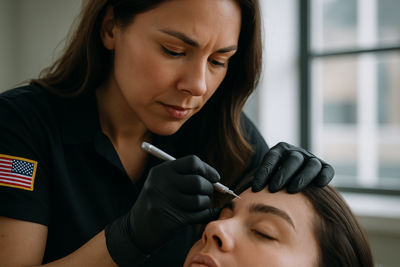
Compare microblading training by what you will learn, how practical work is assessed and what support is available. Whether you are changing careers or adding a service to an existing business, use this guide to prepare questions before choosing a course.
This article covers course content, accreditation, common mistakes to avoid and questions to ask about a training path for your location and goals. Review the current Skinart course information for the option you are considering.
Table of Contents
Choose a section to find the information you need.
- What is microblading and who should train?
- Regulations and licensing in the United States
- Course curriculum: what you’ll learn
- Common mistakes new artists make
- Accreditation, BBP and safety requirements
- How to choose the best microblading course
- Skinart United States microblading course details
- FAQs about microblading courses in the United States
- Final thoughts & next steps
What is microblading and who should train?
Microblading uses a handheld tool to create pigment strokes that resemble eyebrow hairs. Learning the technique involves design, handling skills and client communication. Consider whether this type of work interests you before committing to training or equipment.
Discuss your starting experience and learning goals with the training team. A beauty background may be relevant, but it does not automatically establish microblading competence. Complete beginners should ask about prerequisites and the practical preparation expected.
Online theory can offer scheduling flexibility. Before enrolling, ask the relevant local authority what training and practical evidence it requires for your intended work. Ask the provider how its course addresses those requirements; accreditation alone does not establish local acceptance.
Regulations and licensing in the United States
Identify the authority responsible for microblading at the address where you intend to work. Ask which practitioner, premises and training requirements apply before choosing a course. Do not infer permission from a general beauty qualification.
- Learning arrangements to compare
- Flexible online theory for busy students
- The actual syllabus, assessment criteria and certificate issued
- How tutor contact and feedback work in the selected option
- Additional arrangements to resolve
- State-by-state licensing differences can complicate practice
- Any separately required supervised experience or practical assessment
- Insurance providers may have varying acceptance criteria
Compare the current course syllabus with the evidence required for your intended next step. Ask the team about demonstrations, practical submissions and feedback, and confirm any additional supervised experience with the organization that will assess your training. Do not assume a particular logbook or local sign-off is included.
Use the relevant authority’s current guidance for your intended location. Keep its response with the course details so you can identify gaps before enrolling. General infection-prevention information does not establish local acceptance of a course.
Course curriculum: what you’ll learn
Compare the published lesson list with the skills you want to study. Ask about design, color theory, infection prevention, consultation and aftercare, then clarify which exercises and assessments support those topics.
Ask which demonstrations are available and what feedback is provided on assigned work. Do not assume healed-result case studies, corrective techniques or a particular assessment format are included unless confirmed.
Use the topic list below to prepare questions for training providers. Confirm the actual syllabus, practical assignments and assessment arrangements for the course you are considering.
- Skin anatomy & Fitzpatrick skin typing
- Color theory and pigment selection
- Sanitation, cross-contamination prevention and BBP protocols
- Client consultation, consent forms and medical screening
- Brow mapping, symmetry, and facial proportions
- Microblading tools, hand techniques, and stroke patterns
- Needle configurations and safe handling (manual tools)
- Recognizing concerns, professional boundaries and appropriate referral
- Aftercare protocols and realistic client expectations
- Photography, case logging and portfolio building
- Business essentials: pricing, consent, documentation
- Professional ethics and building client trust
Common mistakes new artists make
- Skipping a proper consultation or medical history check
- Poor mapping that results in asymmetry
- Using incorrect pigment tone for the client’s skin undertone
- Applying strokes too deeply causing migration or scarring
- Relying on a single technique for all clients instead of customizing
- Inadequate infection control or reuse of materials
- Underestimating the importance of aftercare communication
- Poor photographic documentation of before-and-after healing phases
- Rushing practice: insufficient supervised practice hours
- Not understanding how hormones, medication, or skin conditions affect healing
Keep immediate appearance and later review separate in your learning records. Follow the assigned exercises and ask how progress is assessed. Do not move from practice material to a person simply because a study stage or number of hours has been completed.
Compare online courses by their actual assessment requirements. Request the submission instructions, feedback process and revision arrangements rather than assuming that video access includes individual case review or live supervision.
Accreditation, BBP and safety requirements
Check the scope and currency of any accreditation with the named organization. Ask the provider which exact course it covers and what certificate is issued. Accreditation alone does not establish practical readiness or acceptance by an employer, authority or insurer.
Ask what infection-prevention learning is included and whether separately accepted bloodborne-pathogen training is required for your intended work. Keep that question separate from the general course completion criteria.
Describe the proposed service, training and practical experience to your intended insurer. Request its evidence requirements and policy conditions before relying on a certificate for coverage.
- Current accreditation scope for the exact course
- Certificate wording and course completion criteria
- Any separately required bloodborne-pathogen training
- Learning resources and document examples actually included
- How assigned practical work is reviewed
- Required evidence and submission instructions
- Training evidence requested by your intended insurer
- Requirements confirmed by the relevant local authority
How to choose the best Microblading Courses United States
Choosing a course is about fit — how the provider supports your learning, the accreditation they carry, and the practical pathways they provide for competency verification. With microblading, technique quality and safety are non-negotiable. Look for clear module outlines, access to mentor feedback, and demonstrable student outcomes.
Use the following questions to compare shortlisted providers. Record the answers and any additional costs so the comparison reflects what you would actually receive.
- Can the provider substantiate its current accreditation claims?
- What infection-prevention topics and assessments are included?
- Who reviews practical submissions, and how are revisions handled?
- Transparent refund and cancellation policy
- Are student examples authentic and clearly described?
- What additional practical preparation must you arrange separately?
- Which business subjects are included in the selected option?
- Are any scheduled sessions included, and can you attend them?
Skinart United States microblading course details
Review the current Skinart US microblading course page for the syllabus and purchase options. Confirm lesson access, assigned exercises, assessment and tutor support before selecting an option.
Keep the online course and any local supervised experience separate in your plan. Ask what you must arrange independently, including equipment and practical support; do not assume a placement or local sign-off is included.
Frequently asked questions
Are online Microblading Courses United States accepted for licensing?
If you need the training accepted for a particular purpose, send the actual syllabus and assessment information to the organization making that decision. Obtain its answer before purchasing rather than relying on a general recognition claim.
Do I need a cosmetology or esthetics license to practice microblading in the US?
Ask the authority responsible for your intended work address which requirements apply to microblading there. A general state comparison cannot establish permission for a particular premises or service.
Does Skinart United States provide in-person practical training?
Confirm the current practical arrangements for the US online course, including which activities are assessed remotely and what further supervised experience must be arranged separately.
Will Skinart supply microblading tools or pigments?
Request the equipment requirements and selected-option inclusions before purchasing supplies. Ask about compatibility and substitutions using the actual product information.
How long until I can start taking paying clients after the course?
Begin client work only after appropriate practical readiness and the required operating arrangements are established. Discounted appointments, friends and family are not a shortcut to supervision, insurance or applicable permissions.
Use the FAQs to prepare course questions for the training team. Take questions about permission to work to the relevant authority and insurance questions to the intended insurer.
Final thoughts & next steps
Choose a course by comparing the current syllabus, practical assessment and available feedback with your goals. Keep any questions about local requirements separate from a provider’s marketing claims, and resolve them before committing to a training path.
Compare the selected course with your learning needs and the evidence required for your intended next step. Resolve practical-support, equipment and assessment questions before committing.
Explore the current course options and contact the team with the specific questions still outstanding.
Recent Blog Posts
 Choose your next learning goal with evidenceA long list of courses can make progress feel harder to define. Start with a specific task you want to understand…
 Avoid These Consultation Mistakes in 2026A good consultation leaves the client and artist with the same understanding of the proposed work, its limits and the next…
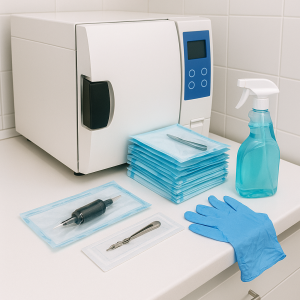 Sterilization 2026: Setting the Gold Standard in Your StudioReviewing a studio's sterilization arrangements means checking an established, documented process with a qualified person. A clean-looking instrument or a completed…