Microblading vs Ombre vs Nano Brows: Which Should You Learn?
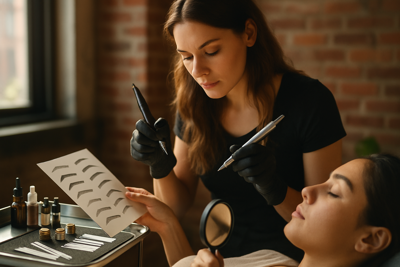
Compare microblading, ombré and nano-brow training by the method taught, practical requirements and equipment you will need. This guide helps you organize the questions before choosing a course, while keeping learning decisions separate from individual treatment advice.
Start with the appearance and technique you want to study, then check the actual syllabus. Similar course names can describe different content, so clarify the included assignments and assessment arrangements.
Table of Contents
Choose a section to find the information you need.
- What each technique is (overview)
- Questions to compare each technique
- Tools, training and regulatory notes in the United States
- Consultation questions and individual assessment
- Common mistakes to avoid
- Business costs and clear pricing
- Aftercare and follow-up questions
- How to choose which to learn first
- Frequently asked questions
- Final thoughts and next steps
What each technique is (overview)
Compare the method and intended appearance separately. Microblading refers to hand-tool hair strokes; powder or ombré describes a shaded appearance; machine hair-stroke work is often marketed as nano brows. Ask the provider exactly what its terminology means and which method the course teaches.
A technique label describes an approach, not a guaranteed result or a suitability decision. Compare actual course content and assessed skills rather than assuming one label means greater durability.
The sections below compare learning questions, equipment planning and consultation topics without predicting an individual treatment result.
Questions to compare each technique
Use the following comparison to identify learning questions. It is not a treatment-selection chart for individual clients.
- Microblading: ask about hand-tool instruction, mapping exercises and how practical work is assessed.
- Microblading: confirm equipment, consumables and the practical experience required beyond watching demonstrations.
- Ombré or powder: ask which shading methods and equipment the course includes.
- Ombré or powder: compare examples of the intended appearance without treating photographs as outcome guarantees.
- Nano: confirm whether the provider means machine hair strokes and which assignments cover them.
- Nano: request the equipment requirements and prerequisites for the specific course.
Choosing what to study is different from choosing a procedure for a client. Discuss the intended service, individual assessment and your experience with an appropriately qualified practitioner before proposing treatment.
Use a consultation to understand the person’s goals and questions. A technique name alone cannot establish suitability or the likely outcome.
Tools, training and regulatory notes in the United States
When planning what to learn, consider equipment needs and training requirements. Microblading uses disposable microblading blades and manual hand tools; nano and ombré normally use a digital machine with specific needle cartridges. Skinart United States offers accredited Microblading training online to give you the foundation in brow design, mapping and stroke technique. Note: we do not supply Microblading equipment in the United States and we do not offer in-person training there; our courses are specifically structured for online study with accredited assessments.
Regulation in the United States varies by state and sometimes by county or city. Many states require bloodborne pathogen training and a tattoo/permanent cosmetic license for certain services. Always check your local health department rules. For example, some municipal health departments insist that machine-based procedures be performed under specific licensing or in licensed premises. It’s your responsibility to confirm local requirements before offering services.
Compare the actual syllabus, practical assignments and assessment arrangements for each course. Ask how the selected technique is taught and what experience or equipment is needed before assuming a broad course title covers it.
- Microblading equipment: request the course-specific hand-tool, blade and practice-material requirements before purchasing.
- Ombré equipment: confirm the machine system, compatible consumables and assigned practice materials with the provider.
- Nano equipment: ask which machine hair-stroke method is taught and which equipment specifications apply.
- Infection control: BBP certification, single-use disposables, clinical hygiene, and a written client consent process.
- Business admin: accurate record-keeping, photographic consent, client intake forms, and a documented aftercare plan.
- Insurance: look for specialized cosmetic tattoo insurance that covers permanent makeup and microblading procedures.
- Local rules: always check state Board of Cosmetology or local health department guidance.
- Continuous learning: attend refreshers and updates; techniques and pigments evolve quickly.
Consultation questions and individual assessment
Use these prompts to clarify goals and questions during a consultation. They do not establish that a particular procedure is suitable.
- Ask which appearance the person hopes to achieve and what they mean by natural-looking brows.
- Discuss the difference between a hair-stroke appearance and a shaded appearance using accurately labelled examples.
- Record questions about skin condition for appropriate individual assessment rather than assigning a technique from a simple skin-type chart.
- Discuss expectations about maintenance without promising a fixed duration.
- Where hair loss is a concern, seek appropriate professional assessment before proposing a procedure.
- Previous permanent makeup: arrange an appropriate individual assessment rather than assuming that new work can conceal existing pigment.
- Event deadlines: discuss expectations and review arrangements without promising a photograph-ready result by a fixed date.
- Medical concerns require appropriate health care advice; a blog comparison cannot provide clearance to proceed.
Record the person’s goals, questions and relevant history through the appropriate consultation process. Explain limitations and obtain permission for any photography. No consultation checklist guarantees satisfaction or eliminates risk.
Common mistakes to avoid
- Over-mapping: forcing a shape that doesn’t suit the client’s facial anatomy.
- Using a broad skin-type label as the sole basis for choosing a procedure.
- Choosing pigments without understanding the instructions and the requirements of the assigned work.
- Treating a practice exercise as proof of readiness to perform a procedure on a person.
- Continuing despite unresolved questions about client comfort or suitability.
- Skipping proper consent, medical history or patch testing in jurisdictions that require it.
- Inadequate aftercare instructions or inconsistent photos for tracking healing.
- Not accounting for local regulation: offering machine brow work where it requires a different license or premises.
Keep unresolved questions visible and seek suitable guidance before proceeding. Neither conservative technique nor a planned retouch guarantees that complications will be avoided.
Business costs and clear pricing
Compare the full costs of learning and offering each service, including equipment, consumables and working time. Local advertised prices are observations to investigate, not evidence that one technique will be more profitable for you.
- If offering an introductory price, state exactly what is included and any conditions. Keep treatment and follow-up decisions separate from promotional deadlines.
- Upsells: brow tinting, complimentary brow shaping, or makeup lessons for clients who want to maintain their look between sessions.
- Describe any package inclusions clearly, including how follow-up appointments are assessed and charged. Avoid promising a fixed treatment schedule solely to create a sale.
- Use accurate photographs with permission and clear labels. Track resulting enquiries rather than assuming that a gallery guarantees bookings.
- Agree on appropriate follow-up and communication preferences, and keep promotional messages separate from individual care instructions.
Discuss the learning sequence with the training team based on your experience and goals. Starting with one particular technique does not guarantee earlier earnings.
For a pricing comparison, collect current local examples and record what each price includes: initial appointment, follow-up arrangements and any conditions. Compare those observations with your own costs and available working time. Do not treat a national price range as a forecast of what you will charge or earn.
Aftercare and follow-up questions
Aftercare should be specific to the procedure and individual advice supplied. Ask who provides written instructions, answers concerns and reviews progress.
Do not use a fixed blog timetable to decide when another procedure should take place. Confirm review arrangements with the treating practitioner and distinguish an assessment appointment from a commitment to further treatment.
Keep the actual aftercare instructions and follow-up contact details accessible. Record questions and seek clarification when an instruction is unclear.
- Request written instructions for the actual procedure; another person’s healing photographs are not a forecast of your recovery.
- Ask the treating practitioner which products and activities to avoid and when to seek health care advice.
- Clarify whether follow-up assessment or further treatment is included in the price and how it is decided.
- Do not substitute home remedies or a general online routine for the advice supplied for the procedure.
- Seek appropriate medical advice for an unexpected reaction or concerning symptoms. Contacting an insurer or mentor is not a substitute for health care.
How to choose which to learn first
Compare the techniques you want to learn, the actual course content, equipment costs and available study time. Ask which option fits your experience instead of relying on claims that a technique is future-proof or suits every client.
Identify subjects shared by the courses, then list the separate practical skills and assessments. Shared theory does not replace training and review for a different technique.
Review the current microblading syllabus and any machine-course syllabus separately. Ask what further instruction and assessment you would need before moving between techniques.
Frequently asked questions
Which is better for beginners: microblading vs ombré vs nano brows?
Choose the starting course around your experience, intended learning and the practical arrangements available. Ask the team which sequence fits your goals instead of assuming one technique must always come first.
Is microblading still popular in the United States compared to nano and ombré?
Research local enquiries and advertised services to understand your market. Popularity claims alone do not establish demand for your own future services.
Do I need a tattoo license to offer ombré or nano brows in the US?
Licensing requirements vary by state and sometimes by city. Many areas require bloodborne pathogen certification and/or a tattoo license for machine-based procedures. Check with your state Board of Cosmetology or local health department.
How long does each technique last?
Duration and appearance can vary. Ask the treating practitioner about limitations and follow-up for the individual case rather than relying on a fixed comparison range.
Can I train online for microblading and still work safely in the US?
Online lessons can support learning, but readiness depends on the practical work, assessment and requirements for the proposed service. Confirm those arrangements before enrolling or planning client appointments.
Final thoughts and next steps
Compare the syllabus, assignments, equipment costs and assessment arrangements before choosing a brow course. Keep a list of unanswered questions and use the current course details to make the purchase comparison.
Use the current course page to check the subjects included and ask about practical assessment. Do not assume that one microblading course includes every ombré, nano or combined technique.
Explore the course details and contact the training team with your experience, preferred techniques and study goals. Compare the answers before choosing your next course.
Recent Blog Posts
 Choose your next learning goal with evidenceA long list of courses can make progress feel harder to define. Start with a specific task you want to understand…
 Avoid These Consultation Mistakes in 2026A good consultation leaves the client and artist with the same understanding of the proposed work, its limits and the next…
 Sterilization 2026: Setting the Gold Standard in Your StudioReviewing a studio's sterilization arrangements means checking an established, documented process with a qualified person. A clean-looking instrument or a completed…