Do You Need a Permanent Makeup License in the United States?
If you’re thinking about training in Permanent Makeup, one of the first questions you’re likely asking is: do you need a Permanent Makeup License in United States? The short answer is: often yes — but the details depend on where you work. This article explains federal guidance, the state-by-state landscape, important health and safety requirements, and practical steps to get started in a US market that highly values accredited training.
Use this guide to organize the questions to ask before choosing PMU training or planning a service. Keep the course requirements and the requirements for your intended work as separate checks.
Table of Contents
Choose a section to find the information you need.
- What a “Permanent Makeup License” Means in the United States
- State Regulations: Why It Varies by State
- Common Requirements: Training, BBP, and Inspections
- How to Get Licensed — Practical Steps
- Top Mistakes New PMU Artists Make
- Scope of Practice and When Medical Oversight Is Needed
- Career Opportunities and Business Considerations
- Frequently Asked Questions
- Final Thoughts & Next Steps
What a Permanent Makeup License Means in the United States
The phrase “Permanent Makeup License in United States” is commonly used as shorthand by prospective students, but it’s important to understand it’s not a single national license. Instead, regulation sits largely with states and local health departments. Some states require a specific cosmetic tattoo or micropigmentation license, while others regulate under broader tattooing, body art, or aesthetician statutes. Because of this, artists must check the precise requirements where they live or plan to work.
Understand that federal agencies (like the FDA and CDC) provide guidance about safety and device use, while state health departments and boards (cosmetology, barbering, tattooing) set licensing rules and inspection regimes. For example, the CDC provides bloodborne pathogen guidance that is frequently referenced by state health authorities, and the FDA issues device and pigment safety advisories. These documents inform local rules, but they don’t replace state licensure.
Because the landscape varies, earning accredited training that covers infection control, color theory, device safety, and client care — and which issues a recognized certificate — is one of the fastest ways to meet or exceed many state requirements. Our online Permanent Makeup course prepares students to comply with state rules, pass inspections, and operate professionally.
State Regulations: Why It Varies by State
Each state chooses how to regulate permanent makeup. Some states group PMU with tattooing and require tattoo artist licenses; others allow licensed cosmetologists or estheticians to perform certain PMU procedures under regulated conditions. A few municipalities set their own local licensure or permit systems in addition to state rules.
- Pros: Local control lets jurisdictions adapt rules to local needs; many states mandate infection-control training.
- Cons: Inconsistent rules mean artists who move or offer mobile services must re-check legal requirements. Lack of national standardization can create confusion for clients and artists.
Identify the authority responsible for the exact procedure and premises you are considering. Request current practitioner, facility and business requirements rather than relying on a summary from another location.
When comparing training, send the actual syllabus and assessment arrangements to the authority or organization reviewing your evidence. Ask which subjects, practical experience or additional documents it requires.
Common Requirements: Training, BBP, and Inspections
While exact rules vary, most jurisdictions share a common set of expectations for safe and legal Permanent Makeup practice. These standard requirements are the core of what states mean when they refer to licensing or permitted practice.
Below are typical elements you’ll encounter when pursuing a Permanent Makeup License in United States jurisdictions. These items are also central to professional best practice and client safety.
Study these carefully and confirm local variations with your state health or cosmetology board.
- Formal training from an accredited provider (didactic and practical components)
- Bloodborne Pathogens (BBP) certification — often required every 1–3 years
- Facility permit or tattoo studio permit for locations offering PMU
- Inspections by local health departments, especially for sanitation and waste disposal
- Client consent forms, photographic records, and medical screening questions
- Proper sharps containers and medical waste disposal contracts
- Compliance with manufacturer guidance for pigments and devices; awareness of FDA statements
- Continuing education or refresher training in some states
These elements form the backbone of regulatory oversight. For example, the CDC’s bloodborne pathogen recommendations are frequently cited by state regulators; you can review BBP guidance directly at the CDC website for more detail. For device and pigment safety notices, the FDA’s website provides updates that states may reference.
Completing accredited PMU training that covers infection control, device operation, and consent procedures will prepare you to meet the majority of state requirements. Our online Permanent Makeup course includes modules focused on these topics so students are prepared for inspections and for providing safe client care.
How to Get Licensed — Practical Steps
Getting a Permanent Makeup License in United States isn’t a single form to fill out for the whole country. Instead, follow these practical steps to make sure you meet the requirements where you work.
- 1. Check state and local regulations — visit your state health department, cosmetology board, or local county health website.
- 2. Confirm whether PMU is regulated under tattoo, cosmetology, or a specific permanent cosmetics statute in your jurisdiction.
- 3. Complete required training and obtain an accredited certificate that covers BBP, cross-contamination, pigment safety, and client management.
- 4. Obtain BBP certification (often required by law or by local health departments).
- 5. Prepare your facility — if you work from a studio, you may need a facility permit and an inspection.
- 6. Maintain careful client records, consent forms, and aftercare instructions as required by local rules.
- 7. Renew permits/certificates on schedule and complete any continuing education if your state requires it.
- 8. If planning to travel or offer services in multiple states, research each jurisdiction’s rules and carry documentation of your accredited training and BBP certificate.
If you want a concrete first step, call your state’s cosmetology, barbering, or health department and ask the specific question: “How is permanent makeup regulated in your state, and what permits or licenses are required for a practitioner?” Keep a record of the names and dates of anyone you speak to — this helps if local interpretations differ later.
Review the current Skinart course syllabus and assessment arrangements, then ask the authority or workplace receiving your training evidence whether they meet its requirements. Do not assume that provider accreditation establishes local acceptance.
Top Mistakes New Permanent Makeup Artists Make
- Failing to check state or local regulations before offering services in a new location.
- Skipping accredited BBP training or letting BBP certification lapse.
- Assuming PMU is always covered by general cosmetology licenses without verifying local interpretation.
- Poor recordkeeping — incomplete consent forms and lack of treatment photos.
- Inadequate infection control procedures — not using single-use pigment cups or failing to manage sharps correctly.
- Relying on non-accredited short courses that don’t prepare you for inspections or client queries.
- Not reading manufacturer guidance for pigments/devices; using unapproved products without understanding risks.
- Neglecting professional liability insurance or assuming general business coverage will protect you for PMU risks.
These issues cause most complaints and inspections. They’re also easy to prevent with the right training and simple systems. For example, a clear intake form and a documented BBP certificate can prevent misunderstandings and demonstrate professionalism during a health inspection.
Scope of Practice and When Medical Oversight Is Needed
Scope of practice determines what procedures you can legally perform as a PMU artist. Many states restrict invasive procedures or those that might be considered medical in nature. For instance, certain reconstructive micro-pigmentation related to medical conditions may require collaboration with a licensed medical professional.
Describe the exact procedures you intend to offer when asking about professional scope or supervision. Do not assume that a general PMU qualification covers every specialist or medically related procedure.
Ask which client-assessment, referral and documentation topics the course teaches and assesses. A general training description does not establish authority to make clinical decisions.
- Perform thorough medical screening before every procedure
- Refer clients to clinicians when required by local regulation or client health status
- Understand local definitions of “invasive” procedures
- Document medical referrals and outcomes
Career Opportunities and Business Considerations
Pursuing a Permanent Makeup License in United States (or the equivalent permits) opens many career paths: freelance PMU artist, salon-based specialist, medical micro-pigmentation, or educator. Many clients choose PMU for eyebrow enhancement, eyeliner, lip tinting, scar camouflage, and areola restoration.
From a business standpoint, plan for initial costs such as training, BBP certification, insurance, and any facility adjustments required by local health codes. Marketing, clear consent processes, and aftercare follow-up will strengthen client trust and reduce complications.
Keep a record of the requirements confirmed for your proposed services and premises, including the authority contacted and the date. Use it to plan the next step rather than assuming another practitioner’s route applies to your business.
- Freelance PMU specialist
- Salon or spa PMU technician
- Medical micro-pigmentation in clinical settings (with oversight if required)
- Educator or trainer after gaining experience and advanced credentials
- Specialist in corrective or scar camouflage services
- Mobile or event-based PMU services (check local mobile/permitting rules)
- Brand collaborations and product consulting for pigment/device companies
Frequently Asked Questions
Below are answers to common queries about licensing and requirements when working in Permanent Makeup in the United States.
Do I need a license to perform permanent makeup in the United States?
There is no single federal PMU license; requirements depend on state and local regulations. Many states require a tattoo or body-art permit, BBP certification, and facility permits — check your state health or cosmetology board.
What certifications are commonly required?
Commonly required items include accredited PMU training, Bloodborne Pathogen (BBP) certification, and local facility permits. Some locations also require inspections and continuing education.
Can a cosmetologist do permanent makeup without a separate license?
Ask the responsible authority whether your existing qualification or licence covers the exact PMU procedure proposed. Do not infer permission from the name of a cosmetology or esthetics qualification.
How do I find my state’s specific PMU regulations?
Visit your state health department or cosmetology/tattoo board website and search for “body art,” “tattooing,” or “permanent cosmetics.” If unclear, call and ask for guidance on PMU practitioner requirements.
Will accredited online training be accepted for licensing?
Ask the relevant authority whether it accepts the specific course and assessment evidence for your intended procedure and location. Provide the actual syllabus and practical arrangements, and clarify any additional training or supervised experience it requires.
Final Thoughts & Next Steps
Pursuing regulated, accredited training is the most reliable path to meeting state and local requirements for permanent makeup practice. While the phrase “Permanent Makeup License in United States” might suggest a single credential, the reality is a mosaic of state and local rules. The good news is that with proper training, BBP certification, and attention to local permits and inspections, you can practice safely and confidently in most US jurisdictions.
Review the current online Permanent Makeup course syllabus and ask about practical assessment. Keep any course information supplied with the written requirements for your intended location and procedures.
Recent Blog Posts
 Choose your next learning goal with evidenceA long list of courses can make progress feel harder to define. Start with a specific task you want to understand…
 Avoid These Consultation Mistakes in 2026A good consultation leaves the client and artist with the same understanding of the proposed work, its limits and the next…
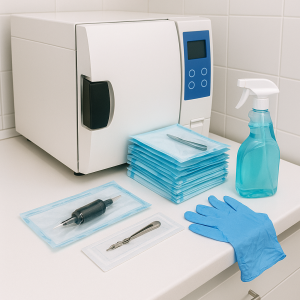 Sterilization 2026: Setting the Gold Standard in Your StudioReviewing a studio's sterilization arrangements means checking an established, documented process with a qualified person. A clean-looking instrument or a completed…