Setting Up a Microblading Studio at Home Legally
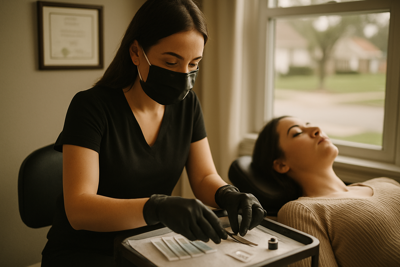
Setting up a microblading studio at home legally is a practical and achievable path for many licensed technicians in the United States. Whether you’re moving from a rented booth to your own space or launching microblading as a solo business, this guide walks you through the legal, safety, and business steps you must follow to stay compliant and build a reputable practice.
At Skinart United States, our Microblading online course is designed to give you the technical skillset and the regulatory awareness to operate confidently. This article focuses on the legal and practical setup of a home studio in the U.S., blending federal, state, and local considerations with applied best practice.
Written by Gary Erskine, 25+ years in body art education and microblading tutor — this guide is rooted in real-world experience training thousands of students worldwide and is tailored for United States regulations, local health expectations, and client safety.
Table of Contents
Jump to any section. We recommend bookmarking this page for quick reference while you plan your studio.
- Legal overview for Setting Up a Microblading Studio at Home
- Licensing, registration and local health requirements
- Studio setup: equipment, layout and supplies
- Common mistakes to avoid when starting at home
- Infection control, waste and insurance
- Marketing, pricing and client privacy
- Local US examples and success stories
- Frequently asked questions
- Final thoughts and next steps
Anchor-linked headings use clean IDs so Google may show “Jump to” links in search results.
Legal overview for Setting Up a Microblading Studio at Home
Before you purchase chairs or order pigments, understand that setting up a microblading studio at home requires alignment with federal, state, and local rules. There is no single nationwide license for microblading; instead, rules are enforced by state cosmetology boards, health departments, and municipal ordinances. This layered regulatory environment means you have to research multiple sources to be certain you are compliant.
First, identify the primary agencies in your jurisdiction—typically the state cosmetology or barber board and your county or city health department. Regulations often cover sanitation, disposal of sharps, zoning and whether home-based personal care services are allowed where you live. Some U.S. jurisdictions treat microblading as a “tattoo” service and require tattoo permits, while others categorize it under esthetics or permanent cosmetics. Knowing which applies to you determines the route you take.
Finally, check whether your homeowner association or lease restricts commercial activity from the property, and whether you need a home occupation permit or business license from the city. These municipal steps are often the quickest to miss but the easiest to resolve when approached early in your planning.
Licensing, registration and local health requirements
In the United States, licensing requirements for microblading vary by state and sometimes by county. Many states require a cosmetology or esthetician license, while a smaller number require registration with a tattoo or body art program. Begin by contacting your state’s licensing board and the local health department to confirm what documentation and inspections are required.
Pros:
- Clearly defined pathway to legal operation
- Official recognition can improve client trust
- Some jurisdictions offer straightforward home-based exemptions
Cons:
- Rules vary widely and can be confusing
- Some areas require expensive inspections or dedicated plumbing
- Delays in permits can slow your launch
Common requirements you’ll likely encounter include a business license, a local home occupation or home-based business permit, proof of relevant cosmetology or esthetics training, blood-borne pathogen (BBP) certification, and documentation of a sharps disposal plan. Keep digital copies of every permit and certificate—inspectors and clients may ask to see them.
If your state treats microblading under tattoo regulations, expect additional requirements such as an on-site inspection, surfaces that are smooth and non-porous, and rules about sterilization equipment. When in doubt, request written confirmation from the health department so you have a paper trail showing you asked before you acted.
Studio setup: equipment, layout and supplies
Practical studio design balances client comfort, infection control, and efficient workflow. When setting up a microblading studio at home, allocate a separate room that can be closed off, with a single point of entry, washable floors, and smooth work surfaces. Lighting is essential—invest in high-quality adjustable lamps so you can work precisely.
Below is a recommended checklist of equipment and supplies. Note: Skinart United States does not supply microblading equipment in the U.S.; you must source your own tools from reputable suppliers and ensure they meet local regulatory standards.
- Adjustable treatment chair or bed with waterproof covering
- Bright, adjustable LED magnifying lamp
- Single-use microblading blades and disposable needle cartridges
- Medical-grade pigments labeled for cosmetic use
- Disposable gloves, face masks and protective eyewear
- Sharps container and hazardous waste bags
- Surface disinfectants approved for use against blood-borne pathogens (EPA-registered)
- Autoclave or validated sterilization process, if required by local rules
- Client consent forms, intake forms and aftercare information printed and digital
- First aid kit and emergency contact information
Layout tips: keep a “clean zone” where only sterile or single-use items are placed, and a “dirty zone” for used disposables and waste. Use a small mobile trolley to hold supplies during sessions to minimise movement and possible contamination. Make sure surfaces are easy to disinfect—avoid fabric upholstery that can’t be cleaned thoroughly.
Remember: though many tools are disposable, some states require equipment like forceps or pigment rings to be sterilized. If your area requires an autoclave, consult manufacturer guidance and maintain sterilization logs for inspections.
Common mistakes to avoid when starting at home
New home-based microblading businesses often stumble on similar points. Knowing these ahead of time will save time, money and stress.
- Failing to check zoning and HOA restrictions for home businesses
- Assuming cosmetology licensure is the same in every state
- Using non-medical or non-approved pigments to save cost
- Skipping BBP certification or failing to refresh it regularly
- Not having a dedicated clean/dirty workflow or missing sterilization logs
- Poor record keeping for client consent, pigments used, and aftercare
- Underinsuring the business or assuming homeowner’s insurance will cover claims
- Inadequate signage and privacy protections for clients receiving treatments at home
- Not investing in proper lighting and magnification leading to technique errors
Avoiding these mistakes starts with planning. Maintain a checklist of permits, set aside a clean room budget, and build an operations manual for yourself that outlines every step from client arrival to waste disposal.
When clients come to a home studio, privacy and professionalism matter. Install a clear exterior sign or use appointment-only scheduling to minimize foot traffic and ensure confidentiality. These small details increase client trust and repeat bookings.
Infection control, waste management and insurance
Infection prevention is the cornerstone of lawful microblading practice. Even when working from home, you must follow standard precautions that protect you and your clients. This includes use of gloves, single-use blades, surface disinfection between clients, and correct handling of blood or bodily fluids.
Proper waste disposal is often inspected. Sharps must be placed in approved containers and disposed of through a medical waste contractor or municipal sharps program. Mixing sharps with household trash can violate local public health codes and result in fines.
- Maintain BBP (Blood-Borne Pathogens) certification and refresh as required
- Use EPA-registered disinfectants and follow contact times
- Log sterilization cycles if you use reusable instruments
- Have a documented cleaning schedule and client intake form for medical history
- Purchase professional liability insurance that explicitly covers body art or permanent cosmetics
- Confirm whether your homeowner’s insurance excludes business activities—buy separate business insurance if needed
- Keep records of waste pickups and disposal receipts for inspections
- Display emergency procedures and ensure a clear route for emergency responders if necessary
Insurance: choose a policy that covers both professional liability and general business liability for on-premises services. Some insurers offer add-ons for home businesses; detail your operation honestly so claims won’t be denied later. If you rent your home, check whether your lease or landlord requires notification for a home-based microblading business.
Quote:
“Standard precautions and meticulous documentation are the simplest ways to demonstrate compliance to clients and inspectors alike,” says a local health department inspector, speaking on common inspection findings for home-performed cosmetic services.
Marketing, pricing and client privacy
Running a home studio doesn’t prevent you from building a professional brand presence. Use a dedicated business phone number, professional email, and a separate social media profile for client communication. When advertising, be transparent about your home-based setting—clients appreciate honesty and the option to choose a more clinical location if they prefer.
Pricing should reflect your skill level, product costs and the time required for thorough consultations and aftercare. Include charges for color corrections or additional touch-ups where appropriate, and use clear policies to avoid disputes.
- Use professional before-and-after photos with client consent
- Collect testimonials and reviews on verified platforms
- Ensure client records are stored securely (encrypted digital files or locked cabinets for paper)
- Have a clear cancellation and refund policy
- Comply with HIPAA-like privacy expectations — do not share medical details without consent
- Offer digital aftercare guides and follow-up messages to improve outcomes
Privacy is especially important in home studios—position client chairs away from windows and use curtains or frosted glass to preserve discretion. Always ask permission before posting client images and maintain signed photo release forms.
Local US examples and success stories
Real-world examples help illustrate the range of possibilities across the United States. In suburban Ohio, an esthetician turned her unused spare bedroom into a compliant microblading room by securing a home occupation permit, installing a non-porous laminate floor and contracting a medical waste pickup service. After three months of steady bookings, she reinvested in a small cordless suction unit to improve pigment handling and expanded to evening appointments.
In Austin, Texas, one practitioner successfully converted a permitted garage space into a studio with a separate entrance and skylights for natural lighting. She coordinated with the county health inspector to make sure the layout matched local requirements for a stationary cosmetic practice. Her focus on client communication, clear aftercare, and visible certification helped her scale primarily through referrals.
These examples show that setting up a microblading studio at home can be done respectfully and profitably with the right permits, layout, and standard operating procedures. They also emphasize the importance of documenting every step from permit applications to client records so you can replicate success and pass inspections with confidence.
Frequently asked questions
Below are the common questions people ask when Setting Up a Microblading Studio at Home legally in the United States. Short, practical answers will help you take the next steps confidently.
Q: Can I do microblading from my home in the United States?
A: It depends on state and local rules. Confirm with your state cosmetology board and local health authority. Many technicians operate legally from home after meeting simple permitting and sanitation requirements.
Q: What permits will inspectors ask to see?
A: Inspectors typically check your business license, home occupation permit (if applicable), proof of training and BBP certification, sharps disposal arrangements, and your client records and consent forms.
Q: Is an autoclave required?
A: That depends. Some jurisdictions require sterilization equipment for reusable items; others allow single-use disposables. Verify local health code before purchasing an autoclave.
Q: Do I need special insurance?
A: Yes—professional liability insurance that covers permanent cosmetics and on-premises services is strongly recommended. Homeowner policies often exclude business activities.
Final thoughts and next steps
Setting up a microblading studio at home legally in the United States is absolutely achievable with the right preparation. Research your state and local rules, design a functional and hygienic workspace, obtain the permits you need, and keep exemplary records. These steps protect you, your clients, and your reputation.
Many successful home-based technicians we’ve trained began with small, deliberate investments—good lighting, documented processes, and a professional online presence. When paired with accredited training and an emphasis on safety, a home studio can be a springboard to a lasting microblading career.
If you want a structured approach to learning the technique and the business fundamentals, our online Microblading course covers workmanship, aftercare, client communication and the regulatory topics you need to launch responsibly in the United States. While Skinart United States does not provide in-person training in the U.S., our online accreditation and expert tuition are designed to prepare you for compliance and client success.
Ready to start? Take the next step.
Explore our accredited Microblading course and learn the regulated approach to safe, confident practice in the United States.
Recent Blog Posts
- Studio Etiquette Update: Professionalism in 2026
 Workplace Etiquette for Body Art Studios Refresh your studio etiquette and build a reputation for professionalism with these up-to-date best practices.… Read More »Studio Etiquette Update: Professionalism in 2026
 - 🌙 Eid Mubarak: Celebrate with 5% Off in 2026!
 Eid Savings: 5% Off All Courses Celebrate Eid with a special offer: 5% off any course. Use code EID5 at checkout.… Read More »🌙 Eid Mubarak: Celebrate with 5% Off in 2026!
 - Top Mistakes New Body Artists Should Avoid (2026)
 Stay Ahead: Common Pitfalls for New Artists Read up on the most frequent errors new body artists make, and how to… Read More »Top Mistakes New Body Artists Should Avoid (2026)