Do You Need a Scalp Micropigmentation License in United States?
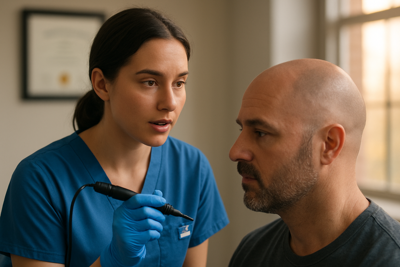
Scalp Micropigmentation License in United States is a question we hear every day from aspiring practitioners and salon owners. The answer isn’t a single nationwide yes or no — it depends on your state, local health department, and how you plan to practice. If you’re offering scalp micropigmentation (SMP) services in the United States, understanding licensing, health requirements, and business obligations is essential for compliance, safety, and a successful practice.
In this guide, written by Gary Erskine — 23 years in Scalp Micropigmentation education and training — we break down the practical steps you need to take, where licenses are commonly required, what kinds of certifications and insurance clients and regulators expect, and how Skinart United States’s accredited online Scalp Micropigmentation course can prepare you to operate legally and confidently.
Whether you are a new entrant curious about whether you need a scalp micropigmentation license in United States, or an experienced artist expanding into new states, this article will map the key regulations, common pitfalls, and best-practice steps to protect your clients and your business.
Table of Contents
- What is licensing for scalp micropigmentation?
- Do you need a license to do scalp micropigmentation in the United States?
- State-by-state variations: how to check local rules
- Required training, BBP, and certifications
- Common mistakes that lead to fines or closures
- Setting up legally: permits, insurance, and consent
- How Skinart United States prepares you
- Real-world examples and municipal statements
- FAQs
- Final thoughts & next steps
What is licensing for scalp micropigmentation?
Licensing broadly refers to a formal permission from a government body — often a state cosmetology board, health department, or local municipal authority — that allows a practitioner to provide a regulated service. For scalp micropigmentation, licensing requirements typically focus on infection control, bloodborne pathogen awareness, and ensuring safe client care. In many jurisdictions, procedures that break the skin or introduce pigment fall under tattooing or body-art regulations; in others, they may sit within medical esthetics or be unregulated entirely.
When people ask whether they need a Scalp Micropigmentation License in United States, they are usually referring to either a tattoo/body art license, a cosmetology/esthetics endorsement, or a specific permit from the local health authority. The classification matters because it determines which rules apply — from sterilization standards to record-keeping and even where you can legally operate (home studio, rented clinic, or licensed tattoo shop).
A key point to understand is that licensing is not only about legality — it also signals professionalism. Many clients, insurers, and partner clinics will expect evidence of proper training and adherence to public health standards. That expectation is why accredited training with certified BBP (bloodborne pathogens) elements, like Skinart United States’s CPD- and BAQA-accredited course, is valuable even when a state doesn’t explicitly require a license.
Do you need a license to do scalp micropigmentation in the United States?
Short answer: sometimes. Whether you need a scalp micropigmentation license in United States depends on where you work and how state/local laws classify SMP-related procedures. Some states explicitly include tattooing and permanent cosmetics under regulated body art laws; others incorporate SMP into cosmetology or medical practice rules, and a few have no specific statute.
- Pros: Licensed practice builds credibility, reduces legal risk, and may be required to get business insurance.
- Cons: Licensing processes vary by state and can involve fees, inspections, and mandatory continuing education.
For example, in many states that regulate tattooing (e.g., New York, California), practitioners who perform scalp micropigmentation may need to register as tattoo artists or operate within licensed tattoo facilities. Meanwhile, some states interpret SMP as a form of cosmetic micropigmentation and route regulation through esthetics or permanent makeup channels, where different rules apply.
Because laws change and are interpreted differently, we always recommend you research both state statutes and local county or city health department rules before opening a practice. Even in states where a license is not required, following licensed-practice protocols (consent forms, BBP training, proper waste disposal, and clear aftercare instructions) helps protect clients and reduces liability.
State-by-state variations: how to check local rules
Each U.S. state has a different approach to regulating body art and permanent cosmetics. Some states have robust tattoo and body-art boards with clear licensing criteria, while others leave local health departments to set standards. Here’s a practical approach to checking your local requirements:
1) Search your state’s health department or cosmetology board website for terms like “tattoo licensing,” “body art regulations,” “permanent cosmetics,” or “micropigmentation.” 2) Contact your county or city health department — many enforcement actions come from local agencies. 3) Check municipal codes or local business licensing offices for ordinances that affect home studios, mobile services, or shop inspections.
Below is a checklist of places to look and documents to request when verifying whether scalp micropigmentation license in United States is required in your location:
- State health department or board of cosmetology website
- City or county public health/ environmental health / business licensing office
- Local municipal code search (tattoo/body art/permanent makeup)
- State statutes for tattooing, permanent cosmetics, or medical esthetics
- Local waste disposal and sharps disposal requirements
- Insurance provider requirements for professional liability
- Neighboring jurisdictions’ rules if you plan mobile services
- Historical enforcement notices or local news on closures/violations
Required training and certifications
Even when a state does not explicitly require a license to perform scalp micropigmentation, many local health departments and insurance carriers expect practitioners to hold certain certifications. These typically include bloodborne pathogen (BBP) training, first aid/CPR, and documented client consent and aftercare procedures.
- Bloodborne Pathogens (BBP) Certification
- CPR/First Aid (recommended)
- Accredited SMP course certificate (CPD & BAQA accredited)
- Documentation of infection-control procedures and sterilization training
- Client intake and medical history protocols
- Sharps and biohazard waste handling and disposal evidence
- Proof of business registration and local permits, where applicable
- Professional liability insurance certificate (often required for partnerships)
Skinart United States’s online Scalp Micropigmentation course, fully accredited with the CPD Standards Office and BAQA, includes the clinical, safety, and client-care elements that regulators and insurance underwriters expect. While we do not provide physical equipment or in-person training in the United States, our course prepares you with the knowledge required to meet most state and local standards.
We also recommend confirming whether your state requires registration as a tattoo artist or permanent cosmetics practitioner, and if so, what specific training or apprenticeship hours they require. Some states accept accredited certificates while others may request additional supervised hours.
Common mistakes that lead to fines or closures
- Operating without the required local license or registration.
- Using improper disinfectants or failing to follow sharps disposal rules.
- Lack of documented BBP training or expired certifications when inspected.
- Performing procedures in unapproved locations (e.g., certain home-based setups in regulated cities).
- Poor client records — missing consent, medical history, or aftercare documentation.
- Improper handling and storage of pigments and single-use items.
- No professional liability insurance or failure to disclose policies when partnering with clinics.
- Failure to comply with local Covid-era or other temporary public health ordinances.
Each of the mistakes above can trigger an inspection, fines, or even forced closure. For example, a practitioner in a city with strict tattoo regulations who operates without registration may be subject to citations by the local health department. Documentation — BBP certificates, intake forms, and proper waste manifests — often resolves compliance concerns before they escalate.
To avoid these issues, implement a compliance checklist for each client and location where you work. Keep hard copies and digital backups of certifications and permits, and review local regulations annually, as legislative changes can modify licensing categories or inspection standards.
Setting up legally: permits, insurance, and consent
Setting up a compliant practice in the United States includes more than training and licenses. You’ll want to ensure that your business structure, insurance, and consent practices are all aligned with local requirements and client expectations.
Key administrative elements to address before your first paid client:
- Determine whether your state requires a tattoo or permanent cosmetics license and obtain it if needed.
- Register your business (LLC, sole trader, etc.) and obtain a local business license where required.
- Obtain professional liability insurance that explicitly covers cosmetic micropigmentation services.
- Complete and keep records of BBP certification and any other mandated health training.
- Use a clear, written client consent and medical history form, including aftercare instructions and photographic consent.
- Ensure your workspace meets local sanitation and waste disposal requirements (licensed facility or approved home studio where permitted).
- Have a documented infection-control policy and a sharps-disposal plan with receipts from an approved waste company.
- Update your policies annually and whenever you move practice locations or add mobile services.
Insurance underwriters often ask for evidence of accredited training and documented sterilization protocols before issuing coverage. While a license can make insurance procurement easier, a strong portfolio of training, standardized procedures, and client records can often satisfy insurers where licensing is ambiguous.
How Skinart United States prepares you
Skinart United States offers an accredited online Scalp Micropigmentation course specifically designed to cover the clinical, technical, and client-care areas regulators and insurers look for. Our course focuses on practical SMP techniques, client assessment, sanitized workflows, and legal considerations relevant to the United States market.
While we do not offer in-person training or supply SMP equipment in the United States, our online training is comprehensive and CPD & BAQA accredited — accepted by many state boards and professional partners as evidence of formal training. The course is authored and delivered by Gary Erskine, who brings over two decades of industry experience and has trained thousands of students worldwide.
Completing an accredited course demonstrates your commitment to safe practice and helps when you apply for local licenses, insurance, or when you partner with clinics and barbershops. The course also covers the paperwork and client communication aspects that often form a large part of compliance assessments by local authorities.
- CPD & BAQA accredited curriculum covering infection control and client assessment
- Practical modules on SMP techniques and realistic result expectations
- Guidance on documentation: consent, medical history, and aftercare
- Business and legal considerations for practicing across different U.S. states
- Templates for client intake, consent, and record-keeping to support inspections
- Support materials to show insurers and local boards your training credentials
Real-world examples and municipal statements
To help bring this into context, here are a few representative examples from cities and states across the U.S. (these examples are illustrative and should not replace a local compliance check):
- California: Many counties regulate tattooing and micropigmentation under local public health codes; BBP training and facility inspections are common.
- New York City: The NYC Department of Health has clear permit pathways for tattoo studios; practitioners must follow sanitation and record-keeping rules.
- Texas: Regulation often occurs at the county level; some counties require permits for body art and inspections of studio practices.
- Florida: Several local health jurisdictions treat permanent cosmetics and tattooing under body-art rules, requiring certain training and waste disposal procedures.
- Unregulated areas: A few states or counties lack strong body-art laws. In those places, practicing to the same standards as regulated areas helps reduce risk and builds client trust.
Municipal spokesperson quote (example): “Our inspections focus on infection control and proper disposal of sharps to protect public health,” says a representative from a county health department reviewing tattoo and permanent makeup practices. Adhering to their guidance — even in the absence of a specific SMP license requirement — reduces the chance of complaints and enforcement actions.
For federal guidance on bloodborne pathogens and workplace safety, see the Centers for Disease Control and Prevention (CDC) and Occupational Safety and Health Administration (OSHA) resources. These are widely referenced by local boards when creating or enforcing rules.
Frequently asked questions
Q: Do I need a specific “Scalp Micropigmentation License in United States” separate from tattoo or cosmetology licenses?
A: There is no single federal “Scalp Micropigmentation License in United States.” Instead, states or local jurisdictions may require a tattoo or cosmetology/permanent cosmetics registration. Check with your state board and local health department for exact requirements.
Q: Does Skinart United States provide an SMP license?
A: No. Skinart United States provides an accredited online Scalp Micropigmentation course that helps meet training expectations, but licensing (where required) is issued by state or local authorities, not by training providers.
Q: Is BBP training mandatory to obtain a license?
A: Many states and local health departments require BBP (bloodborne pathogens) training as part of their licensing or inspection criteria. Even where not required, BBP certification is widely recommended and often requested by insurers.
Q: Can I practice SMP from home in the United States?
A: It depends on local ordinances. Some cities permit home-based practices with restrictions and inspections; others prohibit body-art procedures outside licensed facilities. Always check your city or county rules before setting up at home.
Q: Will an accredited online course satisfy state board requirements?
A: Many boards accept accredited training as part of qualification evidence, but some require additional supervised hours or in-person assessments. Use your accredited certificate as a starting point and confirm with the licensing authority in your state.
Final thoughts: your next steps toward safe, legal practice
Deciding whether you need a scalp micropigmentation license in United States requires looking at your state and local regulations, understanding the practical expectations from health departments and insurers, and building a compliant business framework. Even in places where specific SMP licensing doesn’t exist, following the standards of regulated jurisdictions protects your clients, your reputation, and your livelihood.
Skinart United States’s accredited online Scalp Micropigmentation course provides the training, templates, and best-practice workflows to help you meet regulatory expectations and present a professional, evidence-backed practice to clients and authorities. Completing accredited training is a proactive step that supports license applications, insurance coverage, and salon or clinic partnerships.
Take the first step: research your local requirements, document your training and BBP certification, and consider accredited education to strengthen both your technical skill and your business compliance.
Ready to start? Get accredited, confident and compliant
Enroll in our CPD and BAQA-accredited online Scalp Micropigmentation course to gain the training you need to work professionally within the United States. Our program focuses on safety, technique, and the documentation authorities expect — giving you the best chance to comply with state and local rules.
Recent Blog Posts
- Studio Etiquette Update: Professionalism in 2026
 Workplace Etiquette for Body Art Studios Refresh your studio etiquette and build a reputation for professionalism with these up-to-date best practices.… Read More »Studio Etiquette Update: Professionalism in 2026
 - 🌙 Eid Mubarak: Celebrate with 5% Off in 2026!
 Eid Savings: 5% Off All Courses Celebrate Eid with a special offer: 5% off any course. Use code EID5 at checkout.… Read More »🌙 Eid Mubarak: Celebrate with 5% Off in 2026!
 - Top Mistakes New Body Artists Should Avoid (2026)
 Stay Ahead: Common Pitfalls for New Artists Read up on the most frequent errors new body artists make, and how to… Read More »Top Mistakes New Body Artists Should Avoid (2026)