How to Start a Scalp Micropigmentation Business from Home
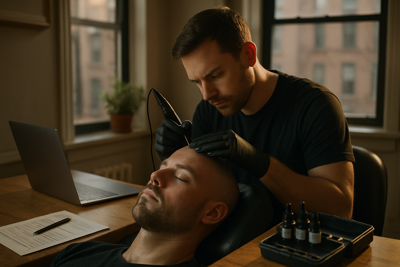
Starting a scalp micropigmentation business from home is an attractive pathway for many in the United States who want to enter a high-demand aesthetic service with relatively low overhead. Whether you’re shifting from another beauty discipline or launching a brand-new career, learning how to start a scalp micropigmentation business from home requires a mix of clinical knowledge, equipment planning, legal compliance, and smart marketing. This guide walks you through every practical step so you can confidently launch and scale a reputable home-based scalp micropigmentation service.
As an internationally accredited training provider, Skinart United States helps professionals meet industry standards and get accredited by recognised bodies. This article draws on years of classroom and online teaching experience to give you an actionable roadmap that’s tailored to U.S. regulations, client expectations, and realistic startup budgets.
Written by Gary Erskine, 25 years in scalp micropigmentation education and training—this article reflects real-world insights from thousands of graduates and hundreds of successful home-based clinics across the country.
- Introduction: Why Choose a Home-Based SMP Business?
- Advantages and Challenges of a Home SMP Business
- Setting Up Your Home Studio: Tools, Supplies and Layout
- Common Mistakes New Home SMP Businesses Make
- Marketing, Pricing and Building a Local Client Base
- Legal, Licensing and Bloodborne Pathogen Requirements
- Choosing the Right Business Model and Pricing
- Frequently Asked Questions
- Final Thoughts & Next Steps
Use these jump links to skip to the section you need — Google may show “Jump to” links in search results for these anchors.
Introduction: Why Choose a Home-Based SMP Business?
Scalp micropigmentation (SMP) is a fast-growing niche within the permanent cosmetics industry. For professionals in the United States looking to reduce overhead and control their work-life balance, starting a scalp micropigmentation business from home is an attractive option. A home-based practice allows you to build a portfolio, test pricing strategies, and serve clients locally without the rent and utilities of a commercial studio.
Beyond cost savings, home-based clinics can deliver a high level of personalized service. Many SMP clients value comfort and privacy during treatments — something a thoughtfully designed home studio can provide. However, success depends on approaching the business professionally: clinical hygiene, documentation, client consultations, and clear marketing are essential.
Throughout this guide you’ll see practical examples geared to U.S. regulations and market expectations, and we’ll point you to reliable national resources like the CDC for infection control guidance and the U.S. Small Business Administration for business registration steps.
Advantages and Challenges of a Home SMP Business
Before you start, weigh the advantages and the realistic challenges. Running a home-based scalp micropigmentation business from home offers flexibility and lower costs, but it also brings responsibilities that are different from working in a commercial studio.
- Pros: lower overhead, control over scheduling, ability to create a private client experience, easier reinvestment of profits into equipment and marketing.
- Cons: zoning and residential business restrictions in some municipalities, the need for strict infection control at home, building professional credibility without a storefront.
To mitigate the cons, check local zoning laws and condo or HOA rules before converting a room into a studio. Many municipalities in the U.S. allow home-based services with simple home occupation permits, but the exact rules vary — your city or county planning office will be the authoritative source.
Finally, expect to spend extra effort on branding and client communication. Clients will book many of their first appointments based on perceived professionalism — invest in a clean website, clear before/after galleries, and a well-managed booking process to create trust from the first contact.
Setting Up Your Home Studio: Tools, Supplies and Layout
Your home studio’s setup communicates your professionalism before you say a word. The layout should separate the clinical area (treatment chair, illumination, and instrument tray) from a clean consultation area and a waiting space if possible. Remember: we do not supply scalp micropigmentation equipment in United States, so you will need to source training-compliant devices and consumables locally or from approved suppliers.
Essential consumables include single-use needles/cartridges, pigment caps, medical-grade gloves, barrier film, surface disinfectant wipes, and sharps containers. Invest in an adjustable, ergonomic treatment chair and consistent lighting — daylight-balanced LED lights are recommended to accurately judge pigment tones. A camera or smartphone tripod is key for detailed before-and-after documentation.
Hygiene and workflow matter. Design a one-way workflow where clean items are separated from used disposables. Ensure you have a dedicated handwashing station or use alcohol-based hand rubs between gowning steps. Store pigments in a locked cabinet and keep client records in a secure, backed-up system to comply with privacy expectations.
- Adjustable SMP treatment chair or ergonomic barber chair
- High-quality daylight LED lighting and ring light for photos
- Single-use needles/cartridges and compatible handpieces
- Medical-grade pigments formulated for SMP
- PPE: nitrile gloves, disposable aprons, masks, hair covers
- Surface disinfectants and EPA-registered hospital-grade cleaners
- Sharps containers and biohazard waste management protocol
- Booking and documentation software with secure backups
- High-resolution camera or smartphone with tripod
Common Mistakes New Home SMP Businesses Make
- Not checking local zoning or HOA rules before starting (leading to complaints or shutdown orders).
- Using improper infection control practices or cutting corners on disposables.
- Poor lighting or equipment choices that produce inconsistent pigment results.
- Underpricing services and not allowing for consultation or touch-up follow-ups in pricing.
- Inadequate documentation of client consent, medical history, and before/after photos.
- Failing to professionalise online presence — low-quality photos or missing reviews can hurt bookings.
- Not carrying proper business liability insurance or misunderstanding scope of coverage.
- Trying to rush the booking schedule and leaving insufficient time for healing advice and follow-ups.
Each of these issues is preventable with planning. For example, clear intake paperwork reduces disputes; good photography and honest before/after images create realistic expectations and reduce refunds. Insurance brokers who specialise in beauty and body art policies can help you identify appropriate coverage limits in your state.
When you design your first client pathway — from the initial enquiry through the 6–8 week touchup — include explicit timeframes and checklists to make sure nothing is missed. A professional, systematic approach converts first-time clients into long-term advocates for your home-based business.
Marketing, Pricing and Building a Local Client Base
Marketing a home-based scalp micropigmentation business requires local focus. Potential clients often search for nearby practitioners, check social proof, and expect to see detailed before/after galleries. Your initial marketing plan should include a simple website, a Google Business Profile, Instagram portfolio posts, and a system for collecting reviews.
Pricing strategies for home clinics can vary — some practitioners offer introductory pricing to build a portfolio, while others start at full price with a clear “portfolio discount” label. Factor in consultation time, pigment and consumable costs, and time for touch-ups when calculating your hourly earnings to ensure profitability.
- Create a clean, mobile-friendly website with a clear booking flow and visible client testimonials.
- Set up a Google Business Profile and request reviews after each completed treatment.
- Use Instagram and TikTok for process videos, healed results, and short client testimonials.
- Offer an honest consultation policy; use a deposit system to reduce no-shows.
- Partner with local barbers, dermatologists, or hair replacement clinics for referrals.
- Run targeted local ads on Facebook/Instagram with before/after imagery and a clear call to action.
- Invest in photographer-quality before/after photos to use in promotional channels.
- Track acquisition cost per client and focus on the channels that consistently convert.
One practical example from a Skinart United States graduate in Texas: by partnering with two local barbers and listing on the local community Facebook groups, they tripled monthly bookings in six months while maintaining a one-room home studio. Local partnerships are often the fastest route to warm referrals.
Legal, Licensing and Bloodborne Pathogen Requirements
Legal requirements vary by state and sometimes by county or city. Common requirements for scalp micropigmentation in the U.S. include business registration (DBA or LLC), local cosmetology or body art permits where applicable, and compliance with bloodborne pathogen standards. Many states require BBP training and documentation that you completed a certified course.
We recommend referencing the Centers for Disease Control and Prevention (CDC) guidance on bloodborne pathogens for infection control best practices and checking your state health department for specific licensing. For business registrations and employer identification, the U.S. Small Business Administration (SBA) provides step-by-step guidance tailored to each state.
“Infection control is the foundation of safe practice for any procedure involving skin penetration. Proper training, single-use disposables, and appropriate waste management reduce the risk to both client and practitioner.” — CDC guidance paraphrase
- Obtain the necessary local business license or permit.
- Complete an approved Bloodborne Pathogen (BBP) course and keep certificates on file.
- Check state and county rules about tattooing and micropigmentation—some states have specific body art legislation.
- Set up a medical questionnaire and informed consent forms for every client visit.
- Arrange for proper sharps disposal and biohazard waste pickup in accordance with local regulations.
- Consider a Registered Nurse or clinic consultant for complex clients or medical cases requiring referral.
- Purchase liability insurance appropriate for permanent cosmetic services.
- Maintain client records for the period required by local law and for your own practice audit purposes.
Business Models, Pricing and Scaling from Home
When you plan how to start a scalp micropigmentation business from home, choose a scalable business model early. You might begin offering solo, appointment-only services and later add part-time portable sessions in partner barbershops or expand to training clients locally. Think in phases: build a local reputation, optimise your service menu and pricing, then scale with assistants, a second treatment room, or mobile offerings.
Pricing should reflect your skill level, local market, and the complexity of treatments. Common approaches include tiered packages (e.g., scalp density treatment, scar camouflage, repair work) and offering financing options for clients who prefer to spread payments. Remember to include time for follow-ups and touch-up sessions when calculating package costs.
- Start with a clear service menu: consultation, single-session density work, scar camouflage, and touch-up option.
- Offer packaged pricing with deposits and clear cancellation policies.
- Track client lifetime value and acquisition costs to decide how much to spend on local ads.
- Consider a referral incentive to encourage partner barbers and clinics to introduce clients to you.
- Plan for scale: document SOPs (standard operating procedures) so assistants can be trained consistently.
- Use waitlist or booking rules to avoid overbooking initial healing periods.
- Regularly audit your pricing against nearby SMP providers — not to undercut, but to ensure market fit.