Tattoo Courses United States: Where to Start as a Beginner
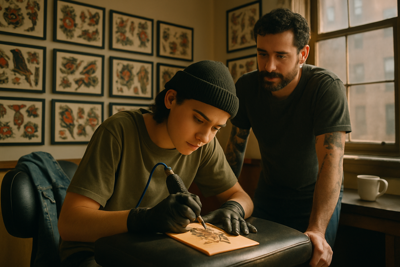
Starting a career in tattooing is an exciting journey, and if you’re reading this, you likely searched for Tattoo Courses United States to find a sensible, safe, and accredited place to begin. Whether you live in a bustling city like New York, Los Angeles, Chicago, or a smaller town, the right training can make the difference between a rough start and a professional launch. This guide walks you through where to begin, what to learn first, and how to avoid common beginner pitfalls so you can build a reliable foundation in the United States tattoo industry.
At Skinart United States we focus on accredited, practical courses tailored to beginners. Our online tattoo education is fully accredited by the CPD Standards Office and the Body Art Qualification Association (BAQA), giving you a recognized credential that matters to clients and employers. While we do not offer in-person tattoo training in the United States, our course is designed to prepare you for apprenticeships and entry-level roles by teaching both the craft and the critical health and legal standards required across US states.
Written by Gary Erskine, 25 years in tattoo education and industry practice — I’ve trained thousands of students around the world and helped many beginners transition into professional tattooists in the United States. This comprehensive guide will show you practical steps, resources, and realistic expectations so you can start your learning pathway with confidence.
Table of Contents
Use the links below to jump to sections. These semantic anchors help you and search engines find the exact guidance you need.
- Why formal tattoo training matters
- Online courses vs apprenticeships in the United States
- What you’ll learn in Tattoo Courses United States
- Top beginner mistakes to avoid
- Health, safety and legal requirements by state
- How to choose the right tattoo course
- Skinart United States course — what we offer
- Frequently asked questions
- Final thoughts and next steps
Why formal tattoo training matters
Formal training is how beginners turn passion into professional competence. In the United States, a properly structured course introduces not just basic needle technique, but a deeper understanding of skin anatomy, infection prevention, client communication, and professional practice. These areas are essential because tattooing is a combination of art and controlled, regulated invasive work — where mistakes can have lasting physical and legal consequences.
Many aspiring artists think practice on fruit or imitation skin is sufficient. Those exercises are useful, but a full training pathway—particularly one that is accredited—ensures you have structured learning outcomes, documented competencies, and recognized certification. Accreditation from bodies like CPD and BAQA helps when you apply for apprenticeships or when studios assess your readiness for paid work.
Choosing accredited Tattoo Courses United States also protects your long-term career. It demonstrates to clients and employers that you understand required health standards and ethical practice. In short, formal training reduces risk, accelerates skill development, and opens doors in a competitive market.
Online Tattoo Courses vs Apprenticeships in the United States
Both online courses and traditional apprenticeships are vital routes into tattooing — and they often complement each other. An online course gives you foundation theory, regulated learning outcomes, and a credential to present to studios. An apprenticeship provides hands-on mentoring, real client work, and studio-specific workflows. Understanding how each route works will help you plan a practical entry into the industry.
- Pros of online courses: Structured curricula, flexible pacing, accredited certificates, broad theoretical coverage.
- Cons of online courses: Limited in-studio hands-on hours; you’ll still need practical mentorship to refine machine skills and client-facing practice.
For most beginners in the United States, the most efficient pathway is blended: complete a reputable online course to learn the fundamentals, then use that qualification to secure an apprenticeship. The online course gives you vocabulary, health and safety knowledge, and design basics that make you attractive to studios. When you arrive at an apprenticeship, you’ll be able to focus on refining your technique rather than learning the basics from scratch.
In cities such as Austin, Portland, and Atlanta, studios often prefer candidates who’ve completed accredited training because it reduces the time they must spend on basic hygiene and legal training. If you’re outside a major metro area, a strong online course paired with targeted studio shadowing or short-term mentorships can be equally effective.
What you’ll learn in Tattoo Courses United States
A high-quality tattoo course designed for US beginners will cover technical, artistic, and regulatory content. Expect modules on needle mechanics, machine set up theory, shading and line technique, color theory, stencil transfer, and aftercare instructions. Importantly, courses accredited by CPD and BAQA include infection control and the legal context for tattoo work in the United States.
Learning outcomes should include the ability to identify skin types and conditions that affect tattooing, perform safe and ethical client consultations, and produce stencil placement and basic tattoo compositions appropriate for beginners. Good programs also teach business basics — price setting, portfolio building, marketing, and client record keeping — because a successful career depends on both craft and commerce.
Below is a comprehensive list of practical and theoretical topics you should expect from a complete beginner-friendly course aimed at the United States market:
- Fundamental theory: machine types, components, and safe operation
- Skin anatomy, skin healing, and reactions (including how to spot problematic conditions)
- Blood-borne pathogen (BBP) awareness and infection control procedures
- Design basics: composition, scale, and placement for various body areas
- Line work, shading techniques, and basic color blending
- Stencil making and transfer: accuracy and symmetry
- Client consultation skills, consent forms, and medical questionnaires
- Aftercare instructions and identifying signs of infection or complications
- Legal and licensing overview relevant to US states and municipalities
- Portfolio development: photographing work, presenting progress, and getting studio placements
- Professionalism: ethics, client relations, and pricing strategies
- Preparing for an apprenticeship: what studios expect from new trainees
Common beginner mistakes and how to avoid them
- Skipping fundamental theory and moving too quickly to machine practice
- Neglecting infection control protocols or thinking “it won’t happen to me”
- Rushing client consultations and not collecting proper medical history
- Poor stencil placement because of inadequate drawing and measuring practice
- Overworking the skin by using incorrect depth or too much pass work
- Ignoring aftercare instructions or failing to communicate them clearly to clients
- Underpricing early work and not valuing your time or expenses
- Expecting immediate perfection — not allowing for a structured learning curve
- Not building a portfolio with clear, consistent progression shots
- Failing to check local regulations and licensing requirements before starting
Many of these errors can be prevented through disciplined study and by following accredited curriculum guidelines. A reputable course will emphasize infection control, correct machine handling, and how to read skin so you don’t cause unnecessary harm. Mistakes that involve skin damage are often the most difficult to fix and can be discouraging; focus on controlled, incremental improvement.
Another practical tip is to document your progress with high-quality photographs and reflective notes. This helps you see patterns in your development and provides evidence of improvement when applying to studios. Remember: employers prefer candidates who show practical progress, accountability, and a commitment to safe practice.
Health, safety and legal requirements across US states
Health and legal requirements for tattooing vary by state and sometimes by county or city. For example, some states require formal blood-borne pathogen training and documentation of BBP certificates, while others have additional local health permits. It’s critical to confirm your local regulations before you practice or accept paid work.
Common mandatory items you’ll encounter include BBP training, health department permits for studios, proper waste disposal systems, and compliance with age restrictions and consent laws. These regulations protect clients and artists, and accredited courses typically address these legal frameworks so you’re better prepared to comply.
Here are the practical items to check in your state and locality before you start tattooing:
- State-level licensing or registration requirements for tattoo artists
- Local health department permits that studios must hold
- BBP and infection control certifications required or recommended in your area
- Minimum age and consent documentation policies
- Rules about tattooing minors or specific body areas
- Waste disposal standards for sharps and biological materials
- Inspection schedules and record-keeping requirements for studios
- Restrictions on tattoo inks or pigments in some jurisdictions
- Insurance options and recommendations for liability and malpractice
For authoritative reference, consult your state health department’s website and local municipal resources. Many states publish explicit guidance on body art operations; for example, the Texas Department of State Health Services and the California Department of Public Health provide clear resources for studio operators and practitioners. These authoritative pages are the best source to ensure compliance before you start client work.
How to choose the right tattoo course for a US beginner
Choosing the right course involves assessing accreditation, curriculum scope, instructor experience, and how well the course prepares you for local regulation and studio expectations. Accreditation from reputable bodies signals better quality control and can be persuasive when applying for apprenticeships. Look for clear learning outcomes, demonstrable instructor credentials, and student support features.
Below are practical questions to ask before you enrol:
- Is the course accredited by recognized organisations (e.g., CPD, BAQA)?
- Does the curriculum include BBP, aftercare, and legal guidance for the United States?
- Who are the tutors and what are their industry credentials?
- Does the course include portfolio-building guidance and apprenticeship preparation?
- Are there opportunities for feedback from experienced tutors on practical work?
- Does the programme cover client communication and business basics?
- Are additional resources provided to help find local apprenticeships or studio placements?
- Does the course clearly state what it does not include (for example, we do not supply tattoo equipment in the United States)?
Training that is transparent about its scope—what it teaches and what it does not provide—lets you plan the second phase of your education (studio mentorship/apprenticeship) effectively. For example, if a course is online-only, confirm how it supports you to transition into an apprenticeship or practical clinic environment in your state.
Choosing delivery method: online, blended or in-studio mentorship
Choosing delivery depends on your circumstances. Online courses are ideal for those who need flexible hours or live far from major studios. Blended programs provide an excellent middle ground — theory and structured assessments online, with scheduled practical workshops or local mentor sessions. Fully in-studio apprenticeships remain the gold standard for hands-on training, but they are competitive and often expect demonstrable prior knowledge.
“Training that combines accredited theory with supervised practical time produces safer, more skilled artists and speeds the transition into paid studio work.” — Local health official (municipal body art advisory), quoted for guidance.
That local official quote reflects a growing consensus: regulators want demonstrable knowledge and safe practice. For US beginners, a sensible plan is to take accredited Tattoo Courses United States content as your first step, then follow with in-person studio time secured through apprenticeships or mentorships. This sequence meets both regulator expectations and studio needs.
Remember: Skinart United States provides an accredited online pathway specifically designed to prepare you for those next studio steps.
Skinart United States Tattoo Course — a beginner’s pathway
Skinart United States provides an accredited online tattoo training course tailored for beginners who wish to start with a strong theoretical foundation before entering the studio environment. Our course is fully accredited with the CPD Standards Office and the Body Art Qualification Association (BAQA), ensuring recognized assessments and documented competencies that studios and clients can trust.
The course curriculum covers skin anatomy, hygiene and infection control, design and technique basics, consultation and aftercare, portfolio development, and professional practice — all mapped to industry standards. While we do not provide in-person training in the United States, our course is specifically structured to prepare students for apprenticeships and the practical demands of studio work.
Please note: Skinart United States does not supply tattoo equipment as part of the course. This ensures clarity about what the course provides: accredited education, tutor feedback, practical assignments designed for supervised practice later, and the documented certificates you need to progress.
Practical next steps after an accredited course
After completing an accredited Tattoo Courses United States program, your most important next step is to secure supervised practical time. This usually means applying for apprenticeships, studio mentorships, or short-term placements where experienced artists can review your hands-on work and guide you through real client sessions.
How you approach this transition matters. Treat it like a job search: prepare a concise portfolio that highlights your best work, include clear evidence of course completion and modules (BBP, aftercare, portfolio), and approach studios with a professional attitude. Be prepared to demonstrate knowledge from your course and show steady, documented progress.
- Prepare a clear portfolio (before and after progress images, sketches, and practice pieces)
- Have your course certificate and BBP documentation ready
- Approach studios with a specific plan for how you’ll contribute and what mentorship you need
- Be open about your current skill level and your learning goals
- Network locally — experienced artists often recommend trainees who show commitment
- Offer to assist with non-tattoo studio tasks initially to demonstrate reliability
- Take feedback positively and document improvements requested by mentors
- Keep your learning log: date practice sessions, note corrections, and record outcomes
Frequently asked questions
Q: What is the best way to start tattoo training in the United States?
A: Begin with an accredited beginner course that teaches health and safety, skin anatomy, and design basics. Use that qualification to secure practical apprenticeship time with a reputable studio.
Q: Are online tattoo courses accepted by studios in the United States?
A: Many studios accept accredited online training as proof of theory knowledge, but they typically require supervised practical experience before offering paid work.
Q: Do I need BBP certification?
A: BBP training is commonly required and recommended. It is often part of accredited Tattoo Courses United States and is highly valuable to studios and clients.
Q: Will the course supply equipment?
A: Skinart United States does not supply tattoo equipment. Students should plan to acquire or borrow tools through clinics or apprenticeships for supervised practice sessions.
Final thoughts — your first steps toward a tattoo career
Starting with Tattoo Courses United States means investing in training that supports safe, ethical, and skilled practice. Accredited learning shortens the gap between hobby and professionalism by ensuring you meet baseline competencies that studios and regulators recognise. Equally important is the mindset: approach your training as a series of small, measurable improvements rather than a single leap to perfection.
Take action by researching accredited options, confirming local legal requirements, and making a plan for supervised practical experience. If you’re unsure where to start, a practical step is to enrol in a credible online course that provides both theory and clear guidance for transitioning into apprenticeships — this approach gives you flexibility and a documented qualification that studios respect.
Whatever path you choose, stay patient, keep practising deliberately, and seek feedback from experienced artists. The journey from beginner to confident tattooist is built on consistent practice, strong health and safety habits, and professional conduct.
Ready to start? Take the next step
We designed our online program specifically for people in the United States who want accredited, practical tattoo education that prepares them for real studio work. If you’re ready to learn responsibly and make measurable progress, our course is built to support that journey.
Recent Blog Posts
- 🌙 Eid Mubarak: Celebrate with 5% Off in 2026!
 Eid Savings: 5% Off All Courses Celebrate Eid with a special offer: 5% off any course. Use code EID5 at checkout.… Read More »🌙 Eid Mubarak: Celebrate with 5% Off in 2026!
 - Top Mistakes New Body Artists Should Avoid (2026)
 Stay Ahead: Common Pitfalls for New Artists Read up on the most frequent errors new body artists make, and how to… Read More »Top Mistakes New Body Artists Should Avoid (2026)
 - Client Communication Skills: 2026 Body Art Success
 Master Consultation for Better Results Top communication strategies for client satisfaction and better outcomes in 2026 and beyond. X Send Chat