Tattoo Linework Practice: Recording and Reviewing Your Progress
Start with one linework task and a clear question about the result. Use paper or the practice material approved by your instructor, retain your attempts and compare them under similar conditions. A neat practice exercise is a learning milestone, not evidence that you are ready to tattoo a person.
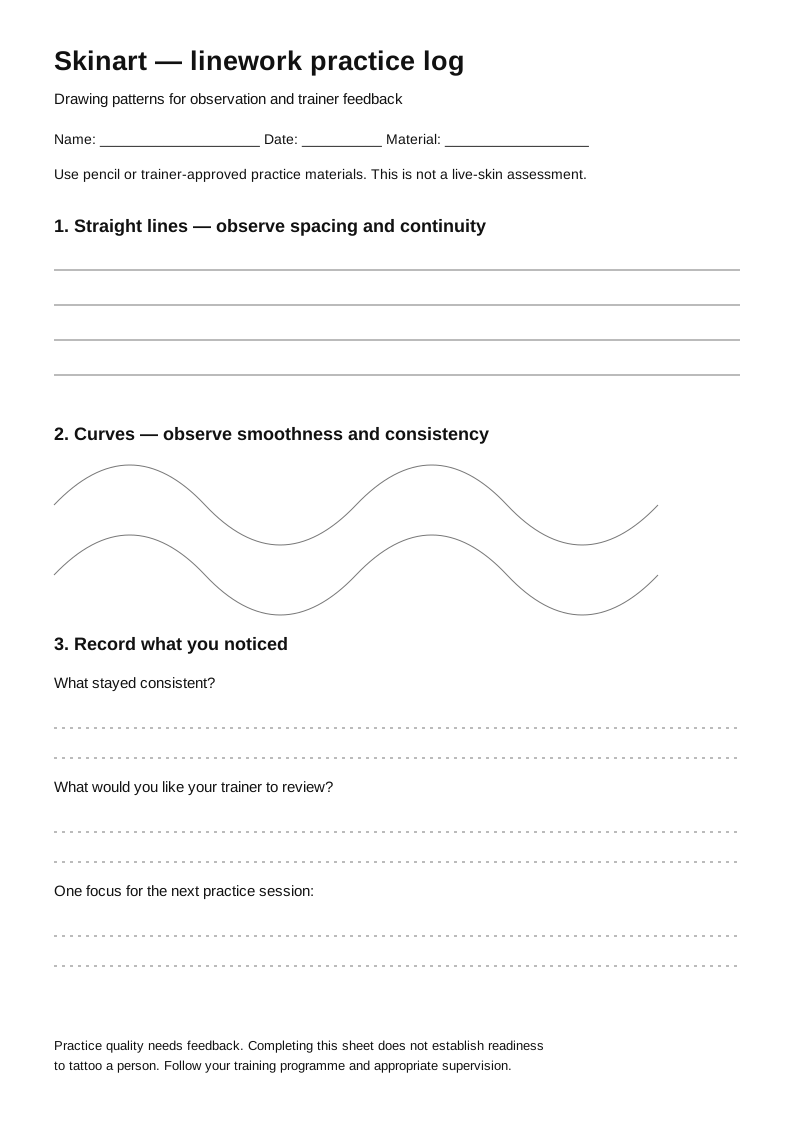
Use the Printable Practice Sheet
Download the printable linework practice sheet for drawing patterns and a learning log. It is a recording aid, not a prescription for machine settings or live-skin technique.
Keep an unmarked copy as your reference and date each attempt. If you print at different sizes, note the size so that a smaller or larger exercise is not mistaken for a direct comparison.
Ask your instructor which pattern suits your current assignment. You do not need to complete every pattern in one sitting to make the sheet useful.
Choose What You Want to Observe
- Continuity: where does the line stop, restart or visibly change?
- Shape: how closely does the attempt follow the intended curve or outline?
- Spacing: are repeated lines or shapes arranged as intended?
- Consistency: which parts look similar, and where does the result change?
Describe what you can see without guessing the technical cause. “The lower part of this curve changes width” is a useful observation. A photograph alone may not explain why it happened.
Keep the task simple enough that you can discuss a particular feature. Moving immediately to a complex design can make it harder to identify the skill that needs attention.
Keep Comparisons Fair
Use the same reference and record the material used. If the task or material changes, label that change. Otherwise it becomes difficult to tell whether the difference came from your approach or from a different exercise.
Photograph the complete piece in clear lighting, then add a close-up of the area you want reviewed. Avoid filters, smoothing and edits that remove the marks an instructor needs to see.
Keep early attempts rather than replacing them with the latest version. A pair of dated examples can show how you responded to feedback more clearly than a single polished image.
Ask for a Specific Correction
Submit the reference, your attempt and a short question. For example: “I have marked the section where the curve changes. What should I focus on in the next assigned exercise?” Explain any change in material or setup that is relevant.
Follow the feedback for your actual equipment and stage of learning. Do not combine unrelated advice about settings or handling from several videos and assume it forms a consistent instruction.
If you do not understand a correction, clarify it before repeating the task. Record the requested change beside the next attempt so the review has a clear purpose.
Use Practice Evidence Honestly
Label work as drawing practice or synthetic-skin practice as appropriate. A practice sheet does not demonstrate a healed tattoo or every part of managing a client appointment. Do not present it as completed client work.
Use your instructor’s requirements to decide when to move to another exercise. A number of completed sheets or a fixed number of weeks does not establish readiness for work on people.
For broader documentation advice, read our synthetic-skin practice guide. Keep equipment-based exercises within the preparation, handling and disposal instructions provided in your training.
Connect Practice With Structured Learning
If you are choosing a course, ask how linework assignments are demonstrated, submitted and reviewed. Establish what happens if a task needs another attempt and what support is available for practical questions.
Review the Skinart UK online tattoo course details for current options. Our learning-time guide can help you leave room for practice and corrections alongside lesson study.
Course Details and Next Steps
Review the current course details for UK learners and contact Skinart with questions about your selected option. Existing students can return to their lessons in the academy.