Permanent Makeup Trends 2025: What’s Popular Now
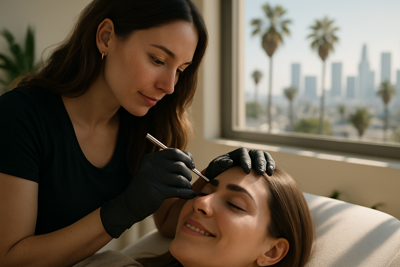
Permanent Makeup Trends 2025 are reshaping how clients think about beauty, maintenance, and natural enhancement. Whether you’re a seasoned technician in the United States or someone considering a career in Permanent Makeup, staying current with 2025 trends will help you deliver results your clients expect—subtle, safe, and tailored to modern lifestyles.
Gary teaches Skinart’s tattoo, piercing and body art courses. Review the course curriculum and lesson examples to understand the training offered.
From realistic hair-stroke brows to minimalist lip blushing and corrective camouflage work, Permanent Makeup Trends 2025 are about personalization and longevity with a lighter touch. Read on for the full breakdown, practical pros and cons, common mistakes to avoid, and how you can train to meet client demand across the United States.
Table of Contents
- Overview: Why 2025 Feels Different
- Top Techniques and Innovations
- Colour Science & Safety Considerations
- Business Trends: Booking, Pricing & Client Expectations
- Common Mistakes Technicians Should Avoid
- Specialities Gaining Traction in 2025
- How Training Must Evolve (and Where to Learn)
- Frequently Asked Questions
- Final Thoughts & Next Steps
Overview: Why 2025 Feels Different
Permanent Makeup Trends 2025 reflect a maturing industry. Clients and regulators expect better colour stability, less aggressive application, and outcomes that integrate with cosmetic dermatology advances. This shift is a response to years of evolving technique, improved pigments, and a broader public understanding of what permanent makeup can — and should — achieve.
Two big forces are at play: demand for natural, low-maintenance results, and a national emphasis on safety standards. Across the United States, consumers prefer subtle enhancements over dramatic, heavily saturated work. That means microblading has further softened into hybrid techniques, and lip work leans toward natural blushing rather than heavy full-lip colour.
For technicians, that has translated into more emphasis on colour theory, patch testing, and conservative layering. Permanent Makeup Trends 2025 reward practitioners who prioritise consultation, realistic mock-ups, and touch-up planning rather than one-time, high-contrast applications.
Top Techniques and Innovations
2025 brings refinements rather than revolutions. Practitioners build on microblading, shading, and machine-work to create softer, blended results that age gracefully. Here are the core advantages and limitations to understand right now.
- Pros: More natural-looking outcomes, higher client satisfaction, easier maintenance with light touch-ups.
- Cons: Requires stronger colour theory skills, more staged appointments (consult + initial + 6–12 week touch-up), and slower procedure cadence.
For many technicians the shift means longer consultations and a focus on staged colouring, where pigment is built in thin layers. This approach lets you respond to healing and gives clients a predictable fade pattern. It also aligns with regulations and consumer expectations in US markets where corrective and conservative approaches are preferred.
Staff training and accredited certification are critical to implement these techniques confidently. Our online Permanent Makeup course covers hybrid brows, powdered brows, blush-style lip techniques, and corrective work—alongside the business skills you need to market subtle, long-lasting services across American metro areas.
Colour Science & Safety Considerations
Colour stability and pigment safety are central to Permanent Makeup Trends 2025. Improved formulations and more rigorous testing mean technicians must understand not only hue selection but also how pigments interact with laser treatments, sun exposure, and skin healing variations across diverse skin tones.
In practice, this means expanded pre-treatment guidance for clients: patch tests, discussions about future dermatological treatments (like laser resurfacing), and realistic expectations around fading. Technicians increasingly document client skin type, baseline photographs, and recommended aftercare to support predictable colour retention.
Regulators and professional bodies in the US emphasise safe pigments and informed consent. The FDA provides guidance on tattoo inks and permanent makeup; technicians should stay informed about any updates and select accredited pigment suppliers. For reference on safety considerations you can review the FDA’s guidance on tattoos and permanent makeup: https://www.fda.gov/cosmetics/cosmetic-products/tattoos-permanent-makeup.
- Use pigments with known ingredient lists and reputable batch testing.
- Document patch testing and note skin reactions before full procedures.
- Discuss possible interaction with future laser or medical treatments.
- Adjust pigment value for Fitzpatrick skin types IV–VI to prevent ashy or muddy results.
- Advise on topical and internal factors that affect healing (Accutane history, immune conditions).
- Maintain strict blood-borne pathogen protocols and client records to meet local US clinic regulations.
- Prioritise pigment dilution strategies that allow for gentle layering and predictable fade.
- Stay informed on pigment removal advances and inform clients about reversibility limits.
Common Mistakes Technicians Should Avoid
- Over-pigmentation on the first pass (too dark, too saturated)
- Poor colour selection for higher Fitzpatrick skin types
- Skipping or rushing patch tests and health history checks
- Inadequate documentation of consent and treatment plans
- Failing to explain the staged nature of modern permanent makeup (initial + touch-up)
- Using unverified pigments or equipment with uncertain provenance
- Not accounting for complementary cosmetic procedures clients may have
- Overpromising longevity—clients need realistic timelines for fading and maintenance
Avoiding these errors requires the right training, clinical mindset, and client communication. Permanent Makeup Trends 2025 reward technicians who slow down the process, prioritise accurate colour science, and document every step of the client journey.
At Skinart United States, our online Permanent Makeup course places special emphasis on consultation practice, record-keeping, and realistic mock-ups—skills that consistently reduce revision work and increase lifetime client value.
Specialities Gaining Traction in 2025
Certain specialities are particularly popular this year as clients refine their aesthetic goals. Below we outline the areas with the most growth and what they mean for your practice.
Many of these specialities center on correction, natural enhancement, and medical-aesthetic cross-over work. Expect more referrals from dermatologists and aesthetic clinics for scar camouflage, areola repigmentation, and corrective eyebrow work following hair loss or trauma.
- Feathered and hybrid brows (microblading + machine shading)
- Glossy and natural lip blushing with conservative value choices
- Scalp micropigmentation for density and scar coverage
- Corrective pigment removal and colour correction services
- Medical pigmentation: areola repigmentation and scar camouflage
- Minimalist eyeliner and lash enhancement rather than heavy liner
- Custom pigment layering for ethnic skin tone matching
- Combination packages that pair PMU with skincare maintenance plans
How Training Must Evolve (and Where to Learn)
As Permanent Makeup Trends 2025 move toward conservatism and colour science, training needs to follow. That means more online theory, video demonstrations, and structured casework evaluations. Online courses can deliver in-depth pigment theory, sanitation protocols, and business modules while allowing practical mentorship via supervised practice sessions or remote feedback.
Skinart United States provides an accredited online Permanent Makeup course designed around these industry shifts. The course covers hybrid brow techniques, lip blushing, corrective colour work, and consultation best practices. Our modules emphasise client-centred outcomes, regulatory compliance, and realistic marketing strategies for US markets.
- Comprehensive colour theory and pigment selection
- Step-by-step hybrid brow and shading techniques
- Aftercare protocols tailored for common US climates and lifestyles
- Business modules covering pricing, photography, and consent
- Emphasis on staged treatments and touch-up planning
Business Trends: Booking, Pricing & Client Expectations
Business models in 2025 prioritise client education and staged pricing. Many studios in the United States market an initial conservative procedure followed by a paid touch-up, rather than a single “all-inclusive” price that encourages over-pigmentation. This model supports better client outcomes and more predictable revenue.
Online booking, transparent before/after galleries, and clear service pathways are now baseline expectations. A technician’s online presence should communicate healing timelines, likely number of visits, and the realistic appearance clients will expect after healing. Transparency reduces cancellations and improves trust.
Frequently Asked Questions
What are the biggest Permanent Makeup Trends 2025 in the United States?
The biggest trends are subtle, layered results: hybrid brows, natural lip blushing, conservative eyeliner, and more medical pigmentation like scar and areola work — all backed by stronger colour theory and safety practices.
How long do modern permanent makeup results last in 2025?
Results vary with pigment, skin type, and aftercare; most natural, lightly layered work lasts 1–3 years before noticeable fading and may require touch-ups for maintenance.
Is microblading still popular in 2025?
Microblading evolved into hybrid methods that combine hair-strokes with soft machine shading to improve longevity and perform better across diverse skin types.
What safety protocols should a US technician follow in 2025?
Follow local clinic regulations, blood-borne pathogen training, proper sterilisation, documented patch testing, and use pigments from tested suppliers. Keep clear records and informed consent forms.
Where can I train to learn these 2025 techniques?
Accredited online courses like Skinart United States’ Permanent Makeup program teach modern techniques, colour theory, and business skills needed to implement 2025 trends.
These FAQs address common queries we hear from clients and technicians across American cities. If you need a direct answer tailored to your situation, our course tutors provide personalised support during enrollment.
Final Thoughts: Embrace Subtlety and Standards
Permanent Makeup Trends 2025 reward practitioners who approach each client with a consult-first mindset, prioritise pigment safety, and favour staged, repairable results over one-time dramatic changes. Whether you offer hybrid brows, lip blushing, or corrective pigment work, the path to sustainable success is the same: education, ethics, and excellent aftercare.
Gary teaches Skinart’s tattoo, piercing and body art courses. Review the course curriculum and lesson examples to understand the training offered.
If you’re ready to update your skills, optimise your client experience, and align with the permanent makeup standards shaping 2025, the next step is simple: learn the modern techniques that respect both beauty and safety.