Common Mistakes in Tattoo Removal and How to Avoid Them
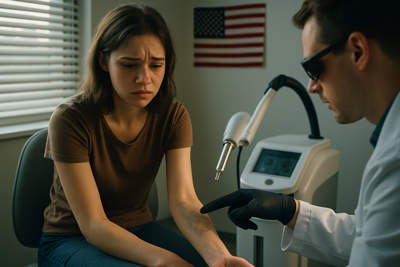
Mistakes in Tattoo Removal can cost time, money and, most importantly, affect client safety and results. Whether you’re a new technician or an experienced technician updating your methods, understanding the most common errors in tattoo removal — and how to avoid them — is critical. This article breaks down practical habits, technical pitfalls, and client-care best practices tailored to the United States market.
The Tattoo Removal Method Taught in This Course
This course specifically teaches the saline syrem rejection method. This is a non-laser method that uses a specially formulated rejection syrem, which is tattooed into the skin over the unwanted pigment. It is more complex than simply tattooing saline. The course explains the ingredients, the full recipe, preparation and correct application, so you can learn how to mix your own syrem for use during the procedure.
The training also covers application, hygiene, safety and aftercare. Local licensing and health requirements still apply.
At Skinart United States we teach a reliable ink rejection removal method that reduces the number of sessions and lowers scarring risk compared with older approaches. This guide is designed to help you spot warning signs, refine your consultations, and improve outcomes for every client who walks through your door.
Gary teaches Skinart’s tattoo, piercing and body art courses. Review the course curriculum and lesson examples to understand the training offered.
Table of Contents
Use the links below to jump to the section you need. Anchored headings with semantic IDs can also help search engines offer quick “Jump to” links in results.
- Core concepts: How ink rejection removal works
- Common procedural errors — pros and cons
- Technical pitfalls to watch for
- Top mistakes clients report
- Safety, hygiene and legal considerations
- Informed consent and expectation management
- Aftercare: avoid setbacks
- Frequently asked questions
- Final thoughts & next steps
Core concepts: How ink rejection removal works
The ink rejection method we teach at Skinart United States is not laser-based — it’s a tattooing technique that introduces a purpose-formulated solution into the dermis to mobilise and help the body expel tattoo pigments. Because this method targets a wide range of colors and ink types, many clients need fewer sessions compared with laser removal. Understanding the mechanism is the foundation for avoiding the most common mistakes in tattoo removal.
One common misunderstanding seen across clinics is assuming every tattoo reacts the same way. Pigment formulation, depth, age of the tattoo, previous scar tissue and client health all play a role. Mistakes in tattoo removal often begin at the consultation when these variables are not fully assessed.
When you learn the ink rejection removal method properly, you gain a repeatable workflow: assess, patch test, plan sessions, execute with appropriate technique, and manage aftercare. These stages reduce risk and create predictable outcomes — which is why accredited training and consistent protocols are essential.
Common procedural errors — pros and cons
Here are the common errors technicians make in the procedure itself, followed by a straightforward pros/cons analysis to help you decide the right approach for each client.
- Too aggressive application — applying excessive solution or overworking the area can lead to hyperpigmentation or scarring.
- Skipping patch tests — not testing a small area can miss allergic reactions or poor tissue response.
- Poor depth control — inconsistent needle depth reduces efficacy and increases risk.
Pros: The ink rejection method treats multiple ink colours and often requires fewer sessions than laser. It’s versatile and can be used on non-laserable inks. Cons: The technique requires specific training in depth, solution mixing and skin handling. Without proper technique, you risk poor results.
In the United States, technicians must also consider local law, state regulations and the expectations of medical oversight in some municipalities — consult local health departments when in doubt. Many technicians avoid mistakes in tattoo removal by learning the method through accredited courses that include live demonstrations and detailed case studies.
Technical pitfalls to watch for
Most mistakes in tattoo removal originate from technical oversights during treatment. These include equipment selection, incorrect solution formulation, and poor session planning. Mastering technical basics reduces complications and improves client satisfaction.
Below you’ll find detailed explanations of common technical issues and how to avoid them. The list is based on frequently reported problems in clinics across the United States, combined with Skinart’s training experience.
Where applicable, document every decision you make during consultation and treatment. Good records support better follow-up, clearer outcomes and protect you in the rare event of a complaint.
- Inconsistent needle depth: Causes uneven ink extraction and increased scarring risk.
- Incorrect solution strength: Overly strong mixes damage tissue, too weak reduce efficacy.
- Failing to respect pigment depth: Some inks deposited deep require different handling.
- Using contaminated instruments: Strict aseptic technique is essential.
- Rushing sessions: Poor outcomes often trace back to cutting steps short.
- Inadequate lighting and magnification: Small details matter when aiming for precise placement.
- Ignoring skin type variability: Fitzpatrick skin types react differently — adjust plans accordingly.
- Poor pain management strategy: Excessive patient discomfort leads to movement and technique failure.
- Failing to adapt technique for cover-ups or layered tattoos: Old layers can trap ink and resist removal.
- Not tailoring session intervals: Too-short intervals raise complication risks; too-long delays reduce momentum.
Top mistakes clients report (and how to prevent them)
- Failing to set realistic expectations about the number of sessions.
- Poor visual documentation — before-and-after photos lacking consistency.
- Inadequate consent forms — missing allergy or medical screening.
- Poor communication about downtime and scabbing behaviour.
- Using inappropriate topical products post-treatment (e.g., perfumed creams).
- Not scheduling patch tests for sensitive clients.
- Rushing the consultation — missing vital history (keloid tendency, isotretinoin use).
- Inadequate follow-up — no scheduled check-ins to monitor healing.
- Assuming laser or one method fits all tattoos.
- Not advising about sun exposure, which can darken treated areas.
Each of these mistakes in tattoo removal can be prevented with structured policies. For example, use a standardised consent that asks about scarring history and medications, keep a photographic protocol (same angle, lighting and scale), and block time for a full consultation — not a quick chat between clients.
Clients value transparency. If you explain the ink rejection method clearly, provide realistic timelines and show case studies, trust increases. For United States technicians, incorporate clear written aftercare steps and always advise clients to contact you promptly if they notice signs of infection or unusual scarring.
Safety, hygiene and legal considerations
Safety is non-negotiable. Mistakes in tattoo removal that compromise sterility or ignore local regulations can lead to infections, legal complaints and reputational damage. In the U.S., state and county rules vary — always check your local health department and maintain clear records of compliance.
Here are steps to keep operations safe and legal — these are best practices we emphasise in our Tattoo Removal course:
- Maintain single-use disposables and follow sharps disposal protocols.
- Use documented cleaning and disinfection schedules for all surfaces.
- Record and store client medical histories securely and confidentially.
- Have clear policies for pregnant or breastfeeding clients and contraindications (e.g., isotretinoin).
- Carry professional indemnity insurance appropriate to your state regulations.
- Ensure informed consent forms meet local legal requirements.
- Follow OSHA bloodborne pathogens standards where applicable.
- Document every treatment with date-stamped photos and signed forms.
We do not supply tattoo removal equipment in the United States. Students who complete our online Tattoo Removal course will learn the technique, safety protocols and case management skills to operate responsibly but should source equipment through approved suppliers that meet local regulations.
Informed consent and expectation management
The most common complaints about removal services stem from mismanaged expectations. Right at the start, set clear, documented expectations about the likely number of sessions, possible scarring, downtime and the realistic final appearance. This reduces disputes and keeps your clients informed.
Always include a signed consent that covers: medical history, the ink rejection method explanation, probable timeline, possible side effects and emergency contacts. For clients in the United States, mention local emergency services and provide clear instructions for contacting your clinic during the healing window.
Quote from an industry body:
“Practitioners must provide clear information about risks, alternatives and aftercare to safeguard public health,” said a representative of the Council for Professional Tattoo Practice (CPTP). Proper informed consent is a pillar of safe tattoo removal practice.
Aftercare: common setbacks and how to avoid them
Aftercare is where many mistakes in tattoo removal become visible. Scabbing, infection and pigment retention often result from clients not following instructions. Clear, written aftercare reduces these risks and improves outcomes.
Avoid recommending over-the-counter products indiscriminately — some lotions or oils can interfere with healing. Instead provide a concise list of approved steps and a contact method for any issues. Remind clients that sun exposure can prolong pigment retention and increase scarring risk.
Local context matters: if your clinic is in a hot, humid U.S. state, emphasise breathable dressings and checking for early signs of infection. If you operate in a colder climate, explain how dry skin can impact scab formation and pigment expulsion.
- Keep the area clean and dry for the first 48–72 hours.
- Avoid swimming pools, hot tubs and baths until fully healed.
- Do not pick or peel scabs — this increases scarring risk.
- Protect treated areas from direct sun with SPF once healed.
- Use only recommended ointments or barrier creams.
- Report signs of infection immediately (increasing redness, heat, pus, fever).
- Attend scheduled review appointments to assess progress.
- Maintain hydration and general wellness to support healing.
Frequently asked questions
Below are clear answers to common questions people search for about mistakes in tattoo removal and how to avoid them.
How do I avoid scarring during tattoo removal?
Scarring is most often caused by aggressive technique, improper depth control or poor aftercare. Use conservative depth settings, perform a patch test, space sessions appropriately and provide clear aftercare instructions to minimise scarring risk.
Can all ink colours be removed with the ink rejection method?
The ink rejection method treats a broad range of colours, including pigments that can be resistant to lasers. Individual results depend on ink composition and depth, so always assess the tattoo and explain realistic expectations during consultation.
What are the common legal mistakes technicians make?
Failing to use proper consent forms, inadequate record keeping, and not following state-specific rules are common legal pitfalls. Maintain documentation, adhere to local health department guidance, and keep up-to-date with state law changes.
How many sessions will my client need?
Session counts vary with ink type, size, age and body area. While the ink rejection method often reduces session numbers compared with lasers, provide an estimated range rather than a fixed number and reassess after initial sessions.
Do you offer in-person training for Tattoo Removal in the United States?
We do not offer in-person training for Tattoo Removal in the United States. Our accredited online Tattoo Removal course covers the ink rejection method in detail, including recorded demonstrations, case studies, safety protocols and exam preparation.
Final thoughts: avoid mistakes, improve results
Mistakes in tattoo removal are rarely the result of malicious intent — they usually stem from gaps in training, rushed consultations, or inconsistent processes. By systematising your consultation, patch testing, technique and aftercare, you reduce complications and deliver consistent, predictable results.
Skinart United States focuses on practical, accredited education that equips technicians to avoid common pitfalls. We emphasise the ink rejection method because it delivers robust results for a broad range of pigments with fewer sessions and less scarring when performed correctly.
If you’re serious about professional removal work in the U.S., invest in accredited training, document your procedures and prioritise client communication. These steps dramatically lower the likelihood of mistakes and increase client confidence in your services.
Start reducing mistakes today
Ready to build confidence and reduce mistakes in tattoo removal? Our online Tattoo Removal course covers the ink rejection method, safety, legal considerations and client management — everything you need to operate with professional standards in the United States.