Skip to contentSKINARTTRAINING UNITED STATES
Skip to content

Setting Up a Microblading Studio at Home Legally

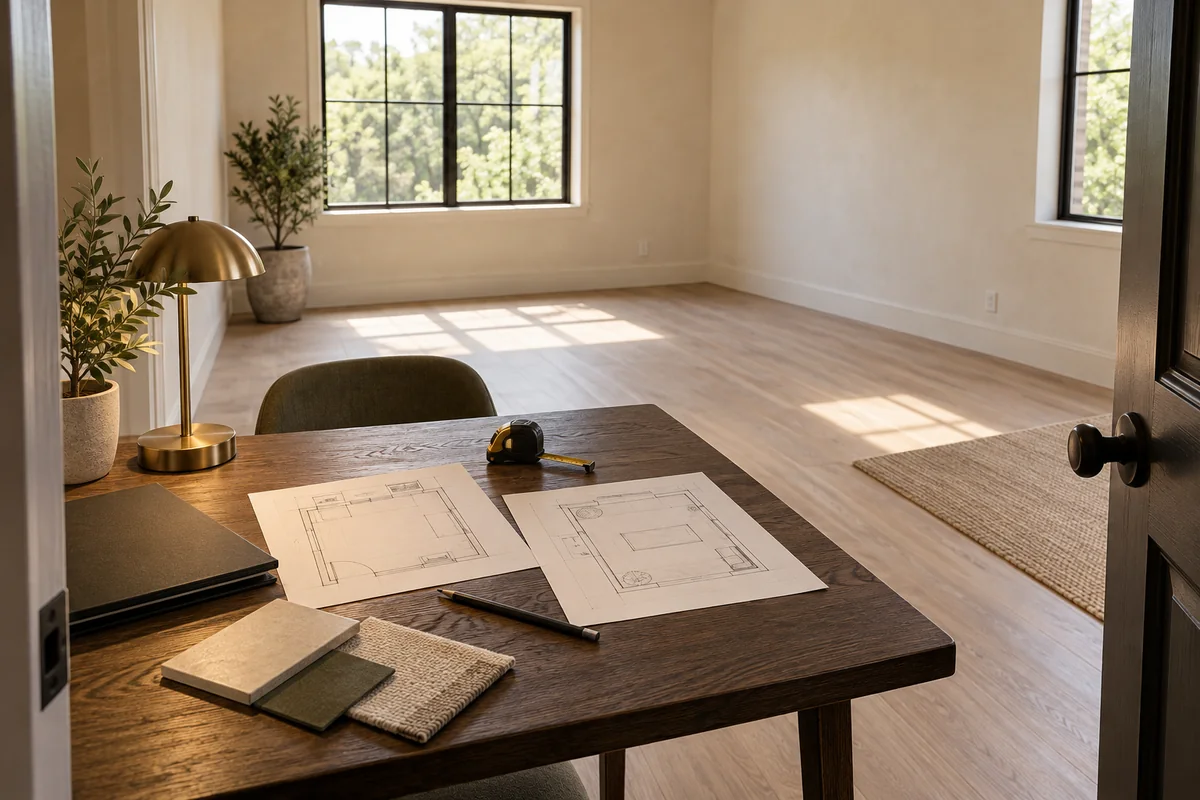
Room-plan sketches, a tape measure and finish samples in a proposed workroom before fit-out.
Resolve address and premises requirements before fit-out.

Before planning a home microblading studio in the United States, establish whether the proposed activity is permitted at that address. Use this guide to organize enquiries about premises, practitioner requirements and business arrangements before committing to fit-out costs.

Training and premises approval are separate steps. Review the course syllabus for your learning needs and ask the responsible authorities about the exact activity and address you are considering.

See the state-rule examples →

Start with the health or body-art licensing authority for the exact address where you intend to work. Ask how it classifies microblading and which practitioner and premises approvals apply. Product rules, permission to use a property and permission to perform a procedure answer different questions.

Contact the state or local licensing body and the planning or zoning office rather than assuming a cosmetology board is the only authority. Explain the service, your work status and the proposed room or building. A cosmetology or esthetics license must not be assumed to authorize microblading; the Florida example below shows why this matters.

Finally, check whether your homeowner association or lease restricts commercial activity from the property, and whether you need a home occupation permit or business license from the city. These municipal steps are often the quickest to miss but the easiest to resolve when approached early in your planning.

Licensing, registration and local health requirements


Ask the responsible authority how it classifies microblading and which practitioner and premises requirements apply. Do not assume that an esthetics or cosmetology qualification authorizes the proposed procedure.

Check premises and practitioner rules separately

These two official examples show why a course certificate or a room photograph cannot settle whether your proposed business is permitted. Use the requirements for your own address.

Texas: check the building and its separation

The DSHS tattoo-studio application guide expressly includes microblading. The premises rules, §229.404(a), require a permanent, non-dwelling studio in a permissible location, with complete floor-to-ceiling separation and no access to living quarters.

Do not assume a spare bedroom qualifies. Ask DSHS and local planning about the exact proposed premises; this example does not rule on every building on residential land.

Florida: check the artist and establishment

The Florida Department of Health FAQ places microblading within tattooing. Ordinary practitioners need a tattoo artist license, and procedures must take place in a licensed establishment. A cosmetology or esthetics license does not substitute for the tattoo license.

The FAQ also says an artist license does not permit tattooing at a customer’s home. Ask the county health department about your own proposed address; this does not establish that a home studio can be approved.

Request the actual application checklist: practitioner licensing, premises approval, zoning or home-occupation permission, accepted training, any required BBP course, inspection arrangements and waste-disposal records. These are questions to resolve, not one universal U.S. permit list. Keep the authority’s response with your business records.

Ask which training provider, course scope and certificate the authority accepts for each requirement. For example, Florida’s FAQ describes a specific approval process for its required bloodborne-pathogen training; do not assume any general BBP certificate satisfies it. Obtain written answers before paying for training solely to meet a licensing requirement.

Studio setup: equipment, layout and supplies


Once the authority confirms the proposed premises can qualify, plan the layout around its requirements. Ask about separation from living areas, handwashing facilities, surface finishes, lighting and access. Closing a bedroom door is not evidence of approval. Resolve these conditions before choosing furniture or arranging treatment appointments.

Use the following as equipment categories to discuss with your tutor, supplier and relevant authority. Skinart United States does not supply microblading equipment in the U.S.; source the items required for your course and intended work separately.

  • Adjustable treatment chair or bed with waterproof covering
  • Bright, adjustable LED magnifying lamp
  • Sterile single-use microblading blade assemblies compatible with the intended hand tool
  • Traceable microblading pigments with full labeling, batch and expiry information
  • Disposable gloves, face masks and protective eyewear
  • Sharps container and hazardous waste bags
  • Surface disinfectants selected for the required use, following their label instructions and contact time
  • Autoclave or validated sterilization process, if required by local rules
  • Client consent forms, intake forms and aftercare information printed and digital
  • First aid kit and emergency contact information

Layout tips: keep a “clean zone” where only sterile or single-use items are placed, and a “dirty zone” for used disposables and waste. Use a small mobile trolley to hold supplies during sessions to minimise movement and possible contamination. Make sure surfaces are easy to disinfect—avoid fabric upholstery that can’t be cleaned thoroughly.

Follow the manufacturer’s instructions and the requirements confirmed for each item. Do not reuse an item designated single-use. Ask about required cleaning, sterilization and records for any reusable equipment before purchasing it.

Check pigment claims carefully. The FDA’s tattoo and permanent-makeup guidance explains that cosmetic color approvals do not extend to injection into skin. No color additives have FDA approval for that use. A “medical-grade” label is not proof of such approval; review the product information, supply chain and relevant safety alerts.

Common mistakes to avoid when starting at home


New home-based microblading businesses often stumble on similar points. Knowing these ahead of time will save time, money and stress.

  • Failing to check zoning and HOA restrictions for home businesses
  • Assuming cosmetology licensure is the same in every state
  • Choosing pigments without checking their labeling, traceability and relevant safety information
  • Assuming a general BBP certificate meets the jurisdiction’s required course or renewal rules
  • Not having a dedicated clean/dirty workflow or missing sterilization logs
  • Poor record keeping for client consent, pigments used, and aftercare
  • Underinsuring the business or assuming homeowner’s insurance will cover claims
  • Inadequate signage and privacy protections for clients receiving treatments at home
  • Not investing in proper lighting and magnification leading to technique errors

Avoiding these mistakes starts with planning. Record the confirmed requirements, quote the fit-out against those requirements, and prepare an operations plan covering client arrival, records, the work area and waste handling.

Check any signage, appointment and visitor-access conditions with the authority and your lease or association before installing a sign or advertising a home service. Plan how clients will enter and leave without passing through private living areas where that would conflict with the approved arrangement.

Infection control, waste management and insurance


Infection prevention is the cornerstone of lawful microblading practice. Even when working from home, you must follow standard precautions that protect you and your clients. This includes use of gloves, single-use blades, surface disinfection between clients, and correct handling of blood or bodily fluids.

Plan the disposal route for the business before practical work starts. Use the sharps containers and collection arrangements required for the waste you produce. Confirm that a proposed disposal service accepts commercial waste; do not assume a household sharps drop-off program accepts business-generated sharps.

  • Confirm the authority’s required BBP course, certificate and any renewal interval
  • Use EPA-registered disinfectants and follow contact times
  • Log sterilization cycles if you use reusable instruments
  • Have a documented cleaning schedule and client intake form for medical history
  • Purchase professional liability insurance that explicitly covers body art or permanent cosmetics
  • Confirm whether your homeowner’s insurance excludes business activities—buy separate business insurance if needed
  • Keep records of waste pickups and disposal receipts for inspections
  • Display emergency procedures and ensure a clear route for emergency responders if necessary

Describe the proposed home business accurately to an insurer or broker and ask which activities, premises and risks are covered or excluded. Review the actual policy terms. Separately check any notification or permission requirements in your lease.

Ask the relevant local authority what records, premises checks and infection-control arrangements it requires for the activity you propose. Keep its written guidance with your business records.

Marketing, pricing and client privacy


Running a home studio doesn’t prevent you from building a professional brand presence. Use a dedicated business phone number, professional email, and a separate social media profile for client communication. When advertising, be transparent about your home-based setting—describe the proposed service and premises accurately, without presenting a home setting as licensed before the necessary approvals are in place.

Pricing should reflect your skill level, product costs and the time required for thorough consultations and aftercare. Include charges for color corrections or additional touch-ups where appropriate, and use clear policies to avoid disputes.

  • Use professional before-and-after photos with client consent
  • Collect testimonials and reviews on verified platforms
  • Ensure client records are stored securely (encrypted digital files or locked cabinets for paper)
  • Have a clear cancellation and refund policy
  • Confirm the privacy and record-retention requirements that apply to your actual business; restrict access to client information
  • Provide clear aftercare information and an appropriate follow-up contact route

Keep client records and photographs confidential, with appropriate access controls and separate permission for marketing images. HHS explains that HIPAA applies to covered entities and business associates; collecting a health-history form does not by itself establish that your studio is one. Check the obligations that apply to your actual business rather than claiming generic “HIPAA-like” compliance.

Checking Your Proposed Home Studio


Before spending on a home studio conversion, describe the intended service and premises to the relevant authority. Ask whether the proposal is permitted, what information it needs and which approvals must be obtained before work or appointments begin.

Keep the response with your proposed layout and a list of any unresolved requirements. Do not copy another studio’s room design as evidence that your own premises will be accepted. Check any changes to the proposal with the organization reviewing it.

Separate feasibility, training and business planning. Permission for a premises, completion of a course and demand for appointments are different questions. Confirm each with the relevant evidence rather than assuming one successful step guarantees the others.

Official sources checked on 31 October 2026. The examples explain specific checks, not permission for another address; confirm current requirements with the authority handling your proposal.

Frequently asked questions


Below are the common questions people ask when Setting Up a Microblading Studio at Home legally in the United States. Short, practical answers will help you take the next steps confidently.

Q: Can I do microblading from my home in the United States?
A: Check with the authority responsible for your proposed address before buying equipment or accepting clients. Ask whether home-based microblading is permitted and what premises, practitioner, training and inspection requirements apply.

Q: What permits will inspectors ask to see?
A: Ask the authority for the checklist covering your proposed address, business role and services. Confirm the required licenses, accepted training, premises documents, inspection arrangements and records; do not use another state’s list as your own.

Q: Is an autoclave required?
A: That depends. Some jurisdictions require sterilization equipment for reusable items; others allow single-use disposables. Verify local health code before purchasing an autoclave.

Q: Do I need special insurance?
A: Describe the microblading work and exact premises to an insurer or broker. Ask which professional, premises and business risks the policy covers or excludes, including whether a household policy covers any business activity. Confirm the terms before relying on cover.

Final thoughts and next steps


A home-studio proposal depends on the address, eligible premises and applicable practitioner requirements. Some proposals will not qualify even if the artist has completed training. Establish feasibility before fitting out a room; if the address cannot qualify, investigate an appropriate licensed commercial workspace instead.

Plan purchases around confirmed requirements and the practical arrangements of your chosen training. Keep a record of costs and outstanding questions before making commitments. Use written requirements and actual supplier quotations to judge the proposal, rather than another artist’s launch story.

The current Microblading course includes learning about business planning, setting up a workstation and handling clinical waste. Review the course information for its syllabus, tutor support and equipment arrangements, and ask the team about any practical requirement you cannot find. Course completion does not itself establish permission to operate from home.

Ready to start? Take the next step.


Explore the Microblading course, compare its learning scope with your needs, and confirm local licensing and premises requirements separately.

Recent Blog Posts