Tools and Pigments Needed to Start Microblading
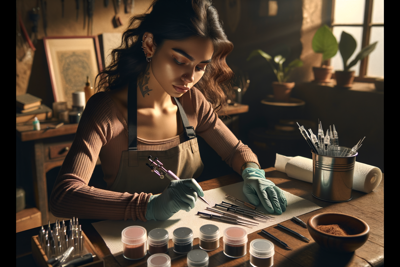
Starting a career in microblading can be both exciting and rewarding, especially in New Zealand, where the demand for skilled professionals continues to grow. Understanding the essential tools and pigments needed to start microblading is crucial for anyone entering this field. At Skinart New Zealand, we offer comprehensive training to equip you with the knowledge and skills required to excel in this industry.
Whether you’re new to the world of microblading or looking to refine your skills, knowing the right tools and pigments is key to delivering exceptional results. This guide will walk you through everything you need to get started, ensuring your path to success in the microblading industry.
Essential Tools for Microblading
When embarking on your microblading journey, having the right tools is paramount. These tools not only ensure precision but also contribute to the safety and hygiene of the procedure. Let’s delve into the essential tools every microblading artist should have.
Microblading pens are the backbone of the procedure. These pens come in various designs, each suited for different techniques and preferences. A high-quality pen ensures smooth strokes and consistent results.
Blades are crucial for creating the hair-like strokes that define microblading. They come in different configurations, allowing for versatility in style and thickness. Always opt for sterile, single-use blades to maintain hygiene standards.
Choosing the Right Pigments
Pigments are the soul of microblading, providing the color and depth that define your work. Selecting the right pigments is vital for achieving natural-looking results that satisfy your clients. Here’s what you need to know about choosing pigments.
Consider the client’s skin tone when selecting pigments. A thorough understanding of color theory helps in choosing shades that complement natural skin tones and hair colors. This ensures that the results are both flattering and realistic.
Quality pigments are formulated to last, maintaining their vibrancy over time. Opt for pigments that are hypoallergenic and approved by relevant health authorities to ensure safety and client satisfaction.
- Match pigments to skin undertones
- Choose hypoallergenic options
- Ensure pigments are long-lasting
- Opt for reputable brands
- Consider the client’s natural hair color
- Test pigments on a small area first
- Stay updated with new pigment technologies
- Ensure compliance with health regulations
Pros and Cons of Microblading Tools
While microblading tools are essential for creating stunning eyebrows, it’s important to weigh their benefits and drawbacks. Understanding these can help you make informed decisions about your toolkit.
- Precision: High-quality tools offer precision and control, allowing for detailed work.
- Variety: A wide range of tools is available, catering to different techniques and styles.
- Cost: Investing in high-quality tools can be expensive but is essential for professional results.
- Maintenance: Tools require regular cleaning and maintenance to ensure longevity and hygiene.
- Learning Curve: Mastering the use of different tools takes time and practice.
- Durability: Quality tools are durable, reducing the need for frequent replacements.
- Availability: Some tools may be difficult to find locally, requiring online purchases.
- Compliance: Ensure all tools meet health and safety regulations.
By weighing the pros and cons, you can select tools that best fit your needs and budget, ensuring a successful microblading practice.
Remember, investing in quality tools not only enhances your work but also builds trust with your clients, leading to a thriving business.
Common Mistakes to Avoid
Even seasoned professionals can make mistakes. Here are some common pitfalls to avoid in your microblading practice:
- Using low-quality tools that lead to inconsistent results
- Neglecting proper tool sanitation, risking infections
- Choosing pigments without considering skin undertones
- Skipping patch tests, which can result in allergic reactions
- Overworking the skin, leading to scarring
- Failing to update skills and knowledge regularly
- Ignoring client feedback, which can affect client satisfaction
- Not keeping up with industry regulations and standards
Avoiding these mistakes will not only enhance your reputation but also ensure the safety and satisfaction of your clients.
Continuous learning and adapting to new techniques and standards are essential for success in the competitive field of microblading.
Maintenance and Care of Tools
Proper maintenance and care of your microblading tools are crucial for ensuring their longevity and performance. Here’s how to keep your tools in top condition.
Regular cleaning and sterilization of tools are essential to prevent infections and ensure client safety. Use appropriate disinfectants and follow industry standards for tool sanitation.
Store your tools in a clean, dry place to prevent damage and contamination. Proper storage extends the life of your tools and ensures they are ready for use when needed.
- Disinfect tools after each use
- Use sterilization pouches for storage
- Check for wear and tear regularly
- Replace blades after each client
- Keep tools organized in a dedicated kit
- Ensure tools are dry before storage
- Follow manufacturer care instructions
- Attend to repairs promptly
Frequently Asked Questions
What are the essential tools needed for microblading?
Essential tools include microblading pens, sterile blades, pigments, and sanitation supplies. These tools are fundamental for performing safe and effective microblading procedures.
How do I choose the right pigments for my clients?
Choosing the right pigments involves understanding color theory and matching pigments to the client’s skin tone and natural hair color. This ensures a natural and complementary result.
Why is tool maintenance important in microblading?
Tool maintenance is crucial for ensuring hygiene, preventing infections, and prolonging the lifespan of your tools. Proper care also ensures your tools are always ready for use.
What are common mistakes to avoid in microblading?
Common mistakes include using low-quality tools, neglecting sanitation, and not considering skin undertones when choosing pigments. Avoiding these mistakes enhances your practice and client satisfaction.
How can I stay updated with the latest microblading techniques?
Continuing education and attending workshops or courses, such as those offered by Skinart New Zealand, can help you stay informed about the latest techniques and industry standards.
Final Thoughts
Starting your journey in microblading is an exciting step towards a rewarding career. By equipping yourself with the right tools and pigments, you set the foundation for success.
At Skinart New Zealand, we are committed to providing top-notch training that empowers you to become a skilled and confident microblading artist. Our courses are designed to give you the knowledge and skills needed to excel in this growing industry.
Embrace the opportunity to learn and grow, and take the first step towards a fulfilling career in microblading. With the right training and dedication, you can achieve your professional goals and make a positive impact in the beauty industry.
Latest Blog Posts
- 🌙 Eid Mubarak: Celebrate with 5% Off in 2026!
 Eid Savings: 5% Off All Courses Celebrate Eid with a special offer: 5% off any course. Use code EID5 at checkout.… Read More »🌙 Eid Mubarak: Celebrate with 5% Off in 2026!
 - Top Mistakes New Body Artists Should Avoid (2026)
 Stay Ahead: Common Pitfalls for New Artists Read up on the most frequent errors new body artists make, and how to… Read More »Top Mistakes New Body Artists Should Avoid (2026)
 - Client Communication Skills: 2026 Body Art Success
 Master Consultation for Better Results Top communication strategies for client satisfaction and better outcomes in 2026 and beyond. X Send Chat