PMU healing and aftercare: what to ask your provider

Permanent makeup appearance changes during recovery, but a generic online timeline cannot assess your skin. Follow the treating provider’s written aftercare and review plan. Clarify what to expect for your particular procedure before the appointment.
Get procedure-specific aftercare
Ask for clear written instructions and a contact route for questions. Brow, eyeliner and lip procedures should not be treated as interchangeable situations. Explain relevant health information and previous treatment to the provider before they assess suitability.
Clarify instructions that are unclear rather than replacing them with an improvised routine. This guide helps you prepare questions; it does not prescribe products, medication or a treatment schedule for an individual recovery.
Distinguish immediate appearance from healed results
An immediate post-treatment photograph and a healed review photograph document different stages. Record when each was taken and which procedure it relates to. Use consistent lighting and angles when the provider asks you to track progress.
Do not assume a colour or appearance in the first photograph establishes the final result. Ask how the provider reviews healing and decides whether a further appointment is appropriate. Another person’s session timing may not apply to you.
Take healing concerns to the right person
The FDA’s tattoo-safety guidance advises contacting the tattooist and a healthcare professional when an area does not seem to heal or a rash develops, particularly with a fever. It also advises seeking healthcare advice for concerns.
Do not use a course article to diagnose infection or decide on medication. Keep the provider’s contact details and seek appropriate healthcare assessment when worried about the response.
Questions to ask a training provider
The online PMU course includes skin and safety subjects alongside PMU techniques. Ask how the training covers aftercare communication, follow-up records and recognising when a question is outside the practitioner’s role.
- How are written instructions explained to a client?
- What should a review record include?
- How are concerns handled between appointments?
- How does training distinguish photographs of different stages?
These questions help you compare education without treating a general lesson as personalised clinical advice.
View the online PMU course, or ask Skinart about your training options. Explore the PMU guide library for related reading.
Latest Blog Posts
 Diwali training offer: 15% off eligible purchasesA seasonal offer can be a useful moment to revisit a learning goal that has been waiting for attention. Choose the…
 Make a realistic workload plan for a busy seasonA busy calendar can hide the work between appointments: messages, preparation, records and learning. Planning those tasks makes your available time…
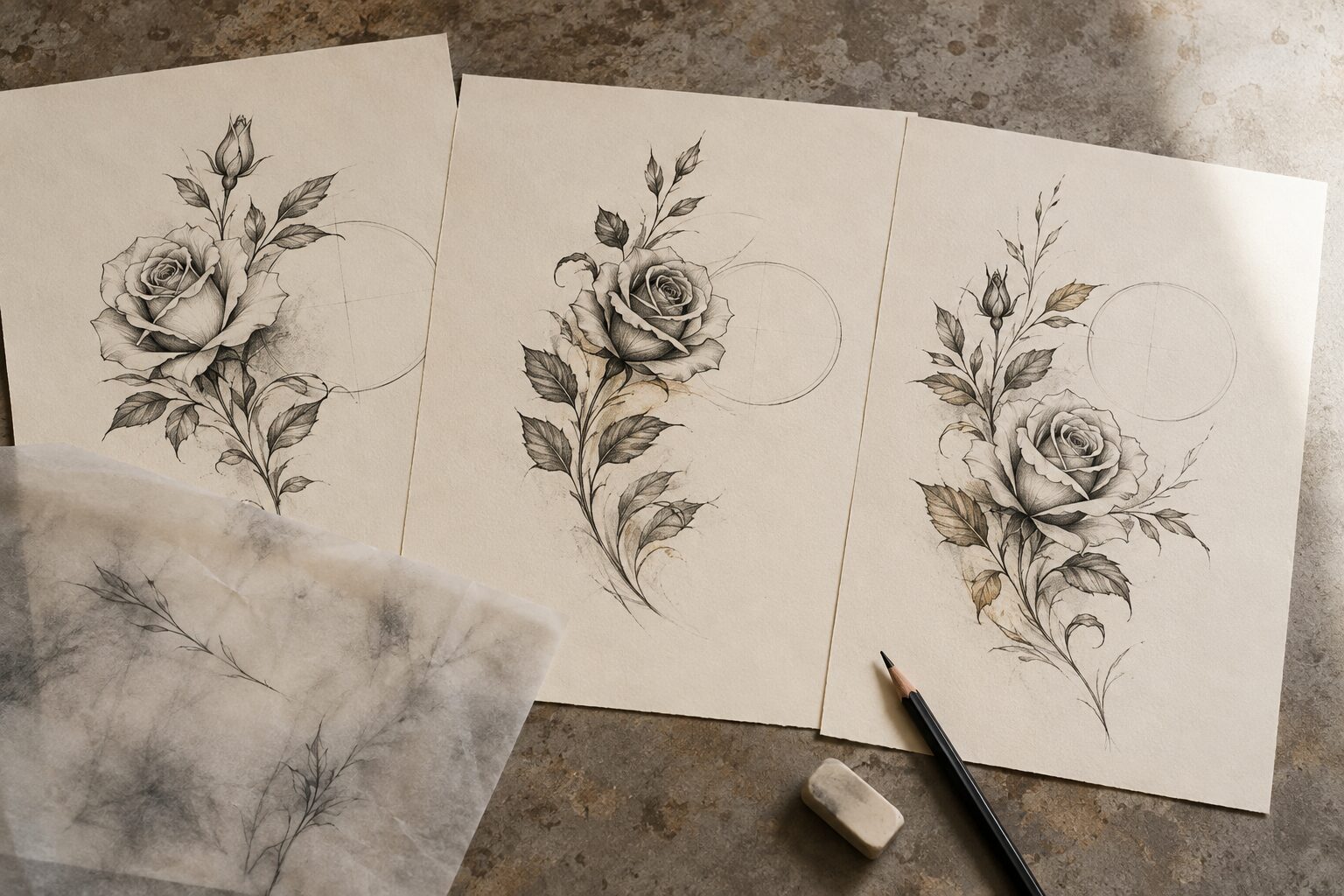 Review an imperfect result before planning correctionsIt is tempting to respond to a disappointing practice result by immediately trying again. A short review can reveal whether you…