Setting Up a Microblading Studio at Home Legally
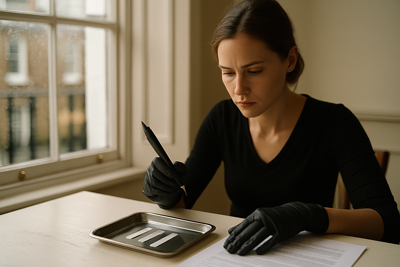
Thinking about turning a room in your house into a professional microblading treatment room? You’re not alone. Across the United Kingdom, many talented technicians launch successful microblading businesses from home — but when you’re performing procedures that break the skin, legal responsibilities and simple good practice become essential.
This guide is written for UK-based technicians and covers everything you need to know to set up a microblading studio at home legally, safely and profitably. Whether you’re aiming to work from a converted spare room in Manchester, a studio nook in Brighton or a purpose-built annexe in the back garden, the right steps will keep your clients, your business and you protected.
At Skinart United Kingdom we specialise in accredited microblading training and compliance guidance — our online Microblading course equips you with the practical and business knowledge to run a compliant home studio while adhering to UK regulations. Read on for an in-depth walkthrough, local examples and practical checklists to make your setup straightforward and lawful.
Table of Contents
Quick links — use the anchors to jump to the section you need. These semantic IDs help Google create “Jump to” links in search results.
- Legal basics for a home microblading studio
- Pros and cons of running from home
- UK requirements: registration, infection control and certification
- Equipment, layout and safe working practices
- Common legal & practical mistakes to avoid
- Insurance, tax, and business registration
- Infection control, sharps and clinical waste
- Client records, consent and advertising rules
- Frequently asked questions (legal focus)
- Final thoughts & next steps
Legal basics for a home microblading studio
Starting with the fundamentals: microblading involves incisions and pigment placement and is therefore regulated by local authorities across the UK. When you operate from a domestic address you must treat the space as a premises-based business for the purposes of safety, hygiene and local licensing. The focus keyword — Setting Up a Microblading Studio at Home — is precisely the mix of legal, practical and ethical steps we’ll walk through.
Local councils are typically responsible for enforcing standards for cosmetic invasive procedures. They expect you to register your premises where the procedure is carried out, maintain written infection control policies, and demonstrate staff competence. This applies whether you work from a converted spare room, a granny annexe or a purpose-built garden studio.
Different councils have slightly different forms and expectations, so it’s essential to check with your local Environmental Health team before you start. In practice this means you should plan your layout, gather paperwork and notify the local authority early — many issues are resolved simply by informing the correct officer and showing a clear plan for compliance.
Pros and cons of running a microblading business from home
There are compelling advantages to a home-based microblading studio: lower overheads, a flexible schedule, and the ability to build a loyal local client base. But those benefits come with responsibilities — especially around infection control, client privacy and the perception of professionalism.
- Pros: lower rent and commuting costs; control over appointment scheduling; ability to reinvest savings into equipment and marketing.
- Cons: patients may perceive a home studio as less professional; zoning and planning restrictions in some areas; extra work to separate domestic life from a clinical environment.
We’ve helped many UK students weigh these factors. For many, the solution is a hybrid: start at home while following strict separation and upgrade to a commercial unit if volume increases. Skinart United Kingdom’s online microblading course is designed to show you how to create that professional feel even in a domestic setting.
A pragmatic approach is to treat your treatment room exactly like a clinical room: no personal items, clearly displayed policies and disposable covers where needed. This reassures clients and simplifies council inspections if they visit.
UK requirements: registration, infection control and certification
Across the UK, Environmental Health departments expect providers of invasive cosmetic procedures to meet certain minimum standards. These commonly include registration of premises, suitable infection control procedures, staff competency and appropriate waste management. There is no single national licence for microblading — instead you register with the local council where you practise.
Certification from an accredited training provider is important evidence of competence if you are inspected or if a client raises a concern. Skinart United Kingdom’s Microblading course is CPD-accredited and includes infection control and client management modules specifically written with UK standards in mind.
Key UK requirements that commonly appear on local authority checklists include:
- Premises registration with your local council’s Environmental Health department.
- Written infection control and decontamination policies, including cleaning schedules.
- Appropriate sharps management and clinical waste disposal arrangements (contract with licensed waste carrier).
- Evidence of training and competency (certificates for microblading, blood-borne pathogens training).
- Client consultation, consent forms and aftercare instructions stored securely for the required retention period.
- Appropriate PPE and single-use disposables where necessary.
- Suitable water supply and handwashing facilities in or adjacent to the treatment room.
- Clear separation between domestic living spaces and the clinical treatment area.
Equipment, layout and safe working practices
Although Skinart United Kingdom does not supply microblading equipment within the UK, you should plan the equipment and layout you intend to use before registering with your local council. A clinical-feeling layout increases client confidence and simplifies compliance checks.
When designing your treatment room consider workflow (clean-to-dirty), handwashing access, surfaces that are easy to disinfect and secure storage for client records. The aim is to create a one-way flow so used items are separated from sterile or clean supplies.
Below is a practical checklist of recommended items and layout decisions to include in your plan for registration and inspection:
- Treatment couch or chair with waterproof, wipeable cover.
- Separate trolley or tray for clean instruments and single-use disposables.
- Autoclave (if using reusable instruments) or strict single-use policy; document your decontamination method.
- PPE supplies: disposable gloves, aprons, masks and eye protection.
- Sharps container fixed in position and clearly labelled.
- Clinical waste bin with contract details of a licensed waste carrier.
- Hand wash basin with hot water, liquid soap and disposable towels or air dryer.
- Separate clean storage for pigments and sealed sterile packs; lockable cabinet for controlled items.
- Good lighting (LED), magnification if required and a comfortable seating arrangement for clients.
- Clear client waiting/consultation area separate from the treatment area where possible.
- Visible aftercare instructions, complaint procedure and professional certificates displayed or available on request.
- Hygiene logbook and appointment records kept in secure format compliant with data protection laws.
Common legal & practical mistakes to avoid
- Failing to register the premises with the local council before accepting clients.
- Using a room that also serves as a family area, creating cross-contamination risks.
- Not having a documented infection control policy or cleaning schedule.
- Incorrect storage or labeling of pigments and reusable instruments.
- Inadequate sharps disposal arrangements or missing waste carrier contracts.
- Insufficient client consent forms and poor record keeping.
- Relying on verbal aftercare advice only — no written instructions for clients.
- Assuming insurance covers home treatment without checking policy exclusions.
- Overlooking water supply and drainage requirements — handwashing facilities are critical.
- Not informing your mortgage provider or landlord if your home is used for business (where applicable).
Many of the issues local Environmental Health Officers see are paperwork or layout-related and can be fixed quickly. For example, adding a lockable cabinet for records and a sink nearby often resolves initial concerns. The important point is to anticipate inspections by documenting your procedures and being able to demonstrate them.
If you’re unsure about local expectations, ask your council’s environmental health team for guidance; most will provide an inspection checklist or an officer visit to advise on compliance. This proactive step reduces the chance of enforcement action and helps you position your home studio as a professional service.
Insurance, tax, and business registration
Running a microblading business from home is running a business. That means you must declare self-employment to HMRC, keep accurate income and expense records and file Self Assessment tax returns. Even if microblading is a second job, you must declare earnings and understand allowable expenses.
On the insurance front, public liability and professional indemnity are essential. When you work from home, check whether your home insurance or mortgage/tenancy agreement allows business use — many standard home policies exclude business activities and require notification or a specific business add-on.
- Register as self-employed with HMRC and maintain clear accounts.
- Obtain Public Liability Insurance (recommended minimum level depends on practice; speak to a broker).
- Professional Indemnity Insurance for advice and treatment claims.
- Check home insurance and mortgage/tenancy agreements for business use clauses.
- Consider Employer’s Liability if you hire staff.
- Keep receipts and a separate business bank account for transparency.
- Understand VAT thresholds — register if your turnover exceeds the VAT threshold.
- Use a basic bookkeeping system and retain records for the HMRC retention periods.
Speak with an insurance broker who understands beauty and aesthetics businesses. Many brokers offer tailored packages for mobile and home-based technicians that include public liability, professional indemnity and business equipment cover.
Infection control, sharps and clinical waste
Infection prevention is the cornerstone of legal compliance for any invasive cosmetic procedure. Your policies must show how you prevent cross-contamination, how you dispose of sharps and how you manage accidental exposures. In the UK, local environmental health officers will ask to see written procedures and evidence of training.
Here are the practical elements that are most commonly required or inspected:
- Sharps disposal containers bolted or secured and stored correctly until collection by a licensed waste carrier.
- Contract with a registered clinical waste carrier and invoices to prove collection.
- Records of staff BBV (blood-borne virus) training and updates — this may be a CPD module or workplace training.
- Use of single-use, sterile needles and single-use pigment pots where possible.
- Cleaning logs for surfaces and equipment between clients and at scheduled intervals.
- Accident and incident records including needle-stick injuries and client adverse events.
- Emergency procedures and contact numbers for local health services in case of a serious incident.
- Clear protocols for managing clients who present with infectious conditions or are unfit for treatment.
For guidance on blood-borne pathogens and safe working practice refer to the Health and Safety Executive (HSE) information on biological agents and sharps. Following HSE guidance demonstrates that you’ve aligned your policies with recognised safety standards.
“We expect practitioners to maintain clear written procedures for infection control and to have appropriate arrangements for the disposal of clinical waste.” — Local Environmental Health Officer, Manchester City Council
Client records, consent and advertising rules
Maintaining detailed client records and properly completed consent forms is both best practice and often a regulatory expectation. Records should document consultations, medical history checks, consents, treatment details (pigments used, needle type), photographs and aftercare given.
Privacy and data protection are also important. Personal data should be stored securely in compliance with UK GDPR principles: only keep what you need, protect it properly and be prepared to delete or return data on lawful request. A basic password-protected digital record system or a locked physical filing cabinet are common solutions.
- Use clear, signed informed consent forms for every client and retain them for the recommended retention period.
- Document pre-treatment patch tests, when appropriate, and any medical history that might affect treatment.
- Provide written aftercare and staging of touch-ups and ensure clients understand refund and cancellation policies.
- Adhere to advertising rules: do not make medical claims or guarantee results.
Remember that social media images are powerful marketing tools but ensure you have the client’s consent before posting before/after photos. Keep accurate client records to support both clinical safety and your marketing practice.
Training, competence and ongoing learning
Your training and qualifications are a core part of legal compliance and client confidence. Skinart United Kingdom offers a CPD-accredited online Microblading course specifically tailored to UK regulation and inspection requirements. The course covers practical technique, infection control, client management, and business set-up guidance.
When local officers ask for evidence of competence, you should be able to present certificates, records of supervised practice and a CPD log. Even experienced technicians refresh their infection control and BBP training annually — it’s a strong reassurance to clients and inspectors alike.
If you’re starting at home, document your supervised practice and have a mentor or assessor sign off your competency where possible. That evidence helps if you later apply for insurance or if a council requests proof of training.
Frequently asked questions — Setting Up a Microblading Studio at Home
Below are the common legal FAQs that people ask when considering a home microblading studio in the UK. Each answer is concise and practical.
Do I need to register my home studio with the council?
Yes — most local authorities require you to register premises where invasive cosmetic procedures are carried out; contact your local Environmental Health department to start the registration process.
Can I advertise before I register?
It’s best to check with your local council; advertising isn’t usually prohibited but you should avoid suggesting you’re a licensed or regulated medical provider unless you are. Make sure your adverts are accurate and compliant with advertising rules.
Do I need special waste disposal for sharps?
Yes — sharps must be disposed of into appropriate, secured sharps containers and handled through a licensed clinical waste contractor. Keep collection invoices to demonstrate compliance.
Do I need to tell my mortgage lender or landlord if I start a home studio?
Often yes — many mortgage and tenancy agreements require you to inform the provider if the property is used for business. Check your contract to avoid breaching terms and consider consulting your insurer too.
We’ve added structured FAQ markup above so search engines can show direct answers in results — this helps people searching for “Setting Up a Microblading Studio at Home” find clear, authoritative guidance.
Local examples and success stories (United Kingdom)
Across the UK we’ve seen technicians in many cities establish thriving home studios by prioritising compliance. For example, a former student in Bristol converted a garden annexe strictly for treatments, registered with the council, set up a licensed waste contract, and now runs a four-day-a-week appointment diary with a waiting list.
Another Skinart student in Glasgow started with a weekend-only home clinic, displayed full infection control policies, obtained appropriate insurance and used clear client communications to build trust. These small investments in compliance helped them win commercial contracts later.
These stories show that a legally compliant home studio can be a sustainable business model in the UK when you follow the right steps.
Helpful resources and further reading
For reputable guidance on biological hazards and sharps safety see the Health and Safety Executive (HSE). For local licensing and registration, contact your local council’s Environmental Health team — many councils publish guidance notes and checklists for tattooing and semi-permanent cosmetic treatments.
Authoritative links that often help practitioners include the HSE pages on blood-borne viruses and local authority pages (search “tattooing registration” plus your council name). Use these resources together with accredited training for complete preparation.
- HSE guidance on blood-borne viruses and safe working practices.
- Your local council’s Environmental Health section (search online for your council + “tattooing guidance”).
- Insurance brokers specialising in beauty & aesthetics businesses.
Final thoughts — take the next step confidently
Setting up a legally compliant microblading studio at home in the United Kingdom is an achievable goal when you prioritise safety, documentation and clear client communications. The biggest barriers are often paperwork and perception; address those and the rest follows.
If you’re unsure where to start, create a short plan: list the local council contact, draft your infection control policy, note the equipment and draw a simple room layout. Then compile the training certificates you’ll present to both clients and inspectors.
Remember — being prepared and transparent builds client trust and reduces the chance of enforcement. We’re here to guide you through the steps and ensure you launch professionally and legally.
Ready to build a compliant home microblading studio?
Enroll in Skinart United Kingdom’s CPD-accredited online Microblading course to learn clinical technique and the exact compliance steps UK practitioners need. Our course was developed by industry experts and includes clear templates for policies, client records and inspection-ready documentation.
Recent Blog Posts
- 🌙 Eid Mubarak: Celebrate with 5% Off in 2026!
 Eid Savings: 5% Off All Courses Celebrate Eid with a special offer: 5% off any course. Use code EID5 at checkout.… Read More »🌙 Eid Mubarak: Celebrate with 5% Off in 2026!
 - Top Mistakes New Body Artists Should Avoid (2026)
 Stay Ahead: Common Pitfalls for New Artists Read up on the most frequent errors new body artists make, and how to… Read More »Top Mistakes New Body Artists Should Avoid (2026)
 - Client Communication Skills: 2026 Body Art Success
 Master Consultation for Better Results Top communication strategies for client satisfaction and better outcomes in 2026 and beyond. X Send Chat
Written by Gary Erskine, Lead Tutor at Skinart United Kingdom — over 25 years in the permanent makeup industry and thousands of students trained worldwide.
Skinart United Kingdom offers CPD Standards Office and BAQA-accredited microblading training designed to help you meet UK legal and professional standards. Our online Microblading course walks you through clinical technique plus exactly what to include in your local authority registration documentation.