Do You Need a Permanent Makeup License in United Kingdom?
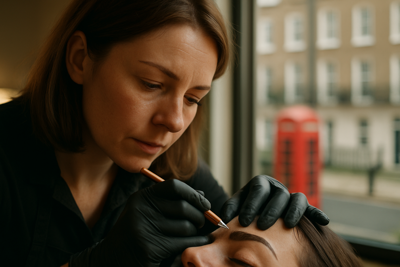
If you’re planning to work as a permanent makeup artist in the United Kingdom, one of the first questions you’ll ask is: do I need a Permanent Makeup License in United Kingdom? The short answer is: there’s no single national “permanent makeup license” issued by central government, but you still need to meet legal, safety and local requirements before offering services.
Understanding the difference between national regulation, local licensing, and professional accreditation is vital. This guide explains how licensing works across the UK, what local councils typically require, and how you can protect your clients and your business while pursuing accredited training.
Written by Gary Erskine, over 25 years in Permanent Makeup education — this article is tailored for practitioners, new entrants, and salon owners in the United Kingdom who want clear, actionable information about legal requirements, best practice, and training options such as Skinart United Kingdom’s accredited online Permanent Makeup course.
Table of Contents
Use these links to jump to the section you need. Anchored headings help Google display “Jump to” links in search results.
- What is licensing for permanent makeup in the UK?
- Local council requirements and how they vary
- Recommended training and recognised qualifications
- Common mistakes that can cost you your business
- Insurance, health & safety and infection control
- Working ethically and marketing your PMU services
- Costs, timescales and practical steps to get started
- Frequently asked questions
- Final thoughts and next steps
What is licensing for permanent makeup in the UK?
When people ask about a “Permanent Makeup License in United Kingdom” they’re usually looking for a single document that proves they’re legally allowed to tattoo lips, brows or eyeliner. There isn’t a single national PMU license issued by Westminster or the devolved administrations; instead, local authorities and professional standards carry the weight.
Local councils often regulate cosmetic interventions (including permanent makeup) under public health, environmental health and premises licensing rules. That means the legal permissions you need can change depending on your location — for example, Manchester City Council and East Sussex County Council may ask for different documentation or inspections.
Practically, this means you need to combine accredited training, appropriate certifications (like infection control and blood-borne pathogen awareness), written policies for your premises, and registration or notification with your local council where required. Skinart United Kingdom’s online Permanent Makeup course is designed to give you the accredited training foundation you need to meet those expectations.
How local council requirements affect your PMU practice
Local councils are responsible for premises safety, waste disposal, infection control and often issue permits or require notification for cosmetic tattooing. They may inspect your premises and ask for written policies and training evidence.
- Pros: Local oversight increases client safety and public confidence, and compliance protects your business.
- Cons: Requirements vary by council, can be time-consuming, and may involve fees.
Because local requirements vary, the practical approach is to contact your council’s environmental health or licensing team before you begin. Ask whether cosmetic tattooing (permanent makeup) is listed under their tattoo/piercing licensing scheme or if they require registration/notification.
Examples: some London boroughs require an application and inspection; several councils across England publish a checklist of documentation they expect (risk assessments, infection control policy, sharps disposal arrangements, and staff training certificates). If you’re unsure, ask for the specific checklist in writing — that protects you during future inspections.
Recommended training and qualifications to meet council expectations
While you may not need a single national “Permanent Makeup License in United Kingdom”, most councils and professional insurers require demonstrable qualifications. This typically includes a recognised accredited course in permanent makeup, infection control training, and blood-borne pathogen (BBP) awareness.
At Skinart United Kingdom we provide CPD-accredited online Permanent Makeup training that aligns with the expectations of many local authorities and insurers. Our course covers technical skill, client consultation, patch testing, pigments and colour theory, client aftercare, and the legal framework you’ll work within.
When choosing training, look for accreditation and a reputable awarding body. Recognised accreditations, CPD hours, practical assessments, and written policies you can adapt for your premises all help demonstrate competence to councils and to insurers.
- CPD Standards Office accreditation (adds credibility for councils and insurers)
- Body Art Qualification Association (BAQA) aligned training and assessment
- Infection control and BBP (blood-borne pathogens) training certificate
- Insurance-ready documentation templates (consent forms, aftercare, policies)
- Practical assessments and tutor feedback from experienced PMU tutors
- Client consultation and consent training specific to UK law and data protection
- Sharps handling and clinical waste disposal guidance aligned with local council rules
- Record-keeping templates for treatments and patch tests
Common mistakes or issues new PMU artists face
- Assuming a national licence exists and not checking local council rules
- Insufficient documentation for premises inspections (no SOPs or policies)
- Gaps in infection control training or missing BBP certification
- Poor client consultation records and missing consent forms
- Inadequate sharps disposal or unclear clinical waste contracts
- Relying on unaccredited short courses without practical assessment
- Not having appropriate public liability and professional indemnity insurance
- Failing to check pigment labelling and contraindication policies
- Undervaluing record keeping and aftercare instructions
These mistakes are common because the legal framework is local rather than national. We consistently see new practitioners underestimate the documentation councils expect — that’s why our courses include templates and sample policies students can adapt.
Fixing these issues early reduces the chance of enforcement action and builds trust with clients and insurers. If you have an inspection coming up, bring your training certificates, written procedures, client record templates and evidence of correct waste disposal contracts.
Insurance, health & safety: what insurers and inspectors look for
Insurance companies look for evidence that you are trained, that you have appropriate policies and that your premises meet health and safety rules. Most insurers will require you to hold indemnity and public liability insurance before they provide cover for PMU services.
Key documents insurers and inspectors commonly expect include written infection control policies, a sharps policy, client consent forms, aftercare instructions, and proof of training from an accredited provider.
- Public liability insurance
- Professional indemnity insurance
- Copies of certificates for PMU training and infection control
- Sharps handling and clinical waste disposal contract details
- Risk assessments for premises and specific procedures
- Staff training records where applicable
- Consistent client record-keeping and patch test logs
Working ethically and marketing your PMU services
Ethical practice is a pillar of long-term success in permanent makeup. Beyond legal compliance, ethical practice includes honest advertising, clear pricing, realistic before-and-after imagery and robust consent conversations.
Remember that local authorities can take action on misleading advertising or unsafe practice. Keep marketing materials accurate, avoid exaggerated claims, and ensure all photos used are genuine results with client permission.
“Local health protection teams encourage transparency. Good record-keeping, correct client consent, and clear aftercare reduce complaints and protect public health.” — Local Council Public Health Officer
Costs, timescales and practical steps to get started
Getting started requires budgeting for accredited training, insurance, initial consumables and possibly premises adjustments. The exact cost varies depending on the depth of training and whether you are working from home or a commercial salon.
Typical steps and approximate timescales (illustrative): initial accredited training (4–12 weeks online + remote practical assignments), infection control certification (1 day), council notification/inspection (2–8 weeks depending on backlog), insurance quotes (2–7 days).
Plan your roadmap: complete accredited training first, gather templates and policies provided by your training provider, then contact your local council early so you know inspection timelines. This prevents delays between finishing training and starting client work.
Frequently asked questions
Below are common search-style questions about whether you need a Permanent Makeup License in United Kingdom and short, practical answers.
Do I need a national permanent makeup licence to work in the UK?
No. There is no single national permanent makeup licence. Local councils regulate premises and safety, so you must meet local requirements and hold accredited training and relevant certifications.
What qualifications do councils typically accept?
Councils most commonly accept CPD-accredited courses, infection control training, and BBP certification. They will also expect documented policies and risk assessments for your premises.
How do I find out what my local council requires?
Contact your local council’s environmental health or licensing department and request their tattooing/skin penetration checklist. Ask for any application forms and inspection timelines in writing.
Will insurers ask for specific course accreditation?
Yes. Most insurers prefer CPD or recognised awarding body accreditation and proof of infection control training. Having accredited training makes securing insurance easier and cheaper in many cases.
Can I train online and still meet licence or council requirements?
Many councils accept blended or accredited online training if it includes assessed practical work and appropriate certification. Skinart United Kingdom’s online Permanent Makeup course is CPD-accredited and crafted to meet these expectations.
Final thoughts and next steps
There is no one-size-fits-all “Permanent Makeup License in United Kingdom”, but with the right accredited training, clear policies, and early communication with your local council you can launch a compliant and successful PMU practice.
If you want to get started the smart way, choose accredited training that covers practical skill, infection control, client consultation and the paperwork you’ll need for inspections and insurance. Our accredited online Permanent Makeup course at Skinart United Kingdom is specifically designed to meet those needs and to help you present strong evidence of competence to councils and insurers.
Ready to start your permanent makeup career?
Enroll in Skinart United Kingdom’s CPD-accredited online Permanent Makeup course and get the training, templates and tutor support to help you meet local requirements and build client confidence.
Recent Blog Posts
- 🌙 Eid Mubarak: Celebrate with 5% Off in 2026!
 Eid Savings: 5% Off All Courses Celebrate Eid with a special offer: 5% off any course. Use code EID5 at checkout.… Read More »🌙 Eid Mubarak: Celebrate with 5% Off in 2026!
 - Top Mistakes New Body Artists Should Avoid (2026)
 Stay Ahead: Common Pitfalls for New Artists Read up on the most frequent errors new body artists make, and how to… Read More »Top Mistakes New Body Artists Should Avoid (2026)
 - Client Communication Skills: 2026 Body Art Success
 Master Consultation for Better Results Top communication strategies for client satisfaction and better outcomes in 2026 and beyond. X Send Chat
Written by Gary Erskine, lead tutor at Skinart United Kingdom — over 25 years’ experience in permanent makeup education and accreditation. Gary has trained thousands of students internationally and works closely with local councils and insurers to ensure training aligns with UK requirements.
Industry quote: “Practitioners who invest in accredited training and robust policies see fewer complaints and quicker insurance onboarding.” — Cosmetic Practice Technical Panel (CPTP) advisory statement.