Learn Scalp Micropigmentation from Home: Beginner’s Guide
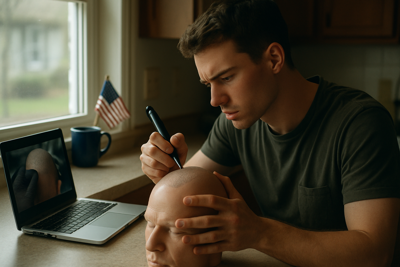
Learning scalp micropigmentation from home starts with a manageable study routine. Separate watching lessons, completing assigned exercises and reviewing feedback so each session has a clear purpose. This guide helps US learners organize that work and prepare questions for their tutor.
SMP uses pigment to create the appearance of hair follicles. Learning about the service and developing practical ability are different tasks. Choose your study activities from the course instructions rather than treating a demonstration as permission to work on someone.
This guide considers studying SMP theory from home, organizing practice and documenting progress. Check the current course details for practical arrangements and any additional training you need before working with clients.
Table of Contents
Choose a section to find the information you need.
- Learn Scalp Micropigmentation from Home: Overview
- Benefits and Drawbacks of Learning SMP Online
- What You Need to Learn (Core Curriculum)
- Study Mistakes to Avoid
- Practice Records and Tutor Feedback
- Health, Safety and Legal Requirements in the United States
- Course Structure, Accreditation and Assessment
- Frequently Asked Questions
- Final Thoughts & Next Steps
Learn Scalp Micropigmentation from Home: Overview
Start by identifying what the next lesson expects you to understand. Keep unfamiliar terms in a short glossary and link each question to the lesson where it arose. This gives you a useful record to discuss with your tutor.
Compare how an online course uses recorded lessons, demonstrations, assigned exercises and feedback. Confirm access arrangements before assuming you can revisit lessons indefinitely. Plan time for study and revisions alongside your other commitments.
At-home study and supervised practical learning are different activities. Discuss your experience and intended learning goals with the training team so you understand what is included and what you may need to arrange separately.
Benefits and Drawbacks of Learning SMP Online
Compare the delivery format with your own schedule and learning needs. Use the points below as questions to verify with the provider, rather than assuming every online course includes the same resources.
- Features to check:
- Which theory lessons are included, and how long can you revisit them?
- Which demonstrations are provided, and how can you ask questions about them?
- The opportunity to study course topics at times that fit your schedule, subject to the provider’s access terms.
- What is the total cost, including required equipment and any separately arranged practical learning?
- What deadlines, submission windows or scheduled sessions must fit around your commitments?
Watching a demonstration and developing an assessed practical skill are different activities. Clarify the purpose and limits of each assigned exercise, how feedback is given and what separate supervised experience you may need. Do not use a person as a substitute for an assigned practice material.
Before enrolling, confirm the practical assessment, equipment and support included in your selected option. If local supervised experience matters to your plans, ask how you would arrange it and whether any placement is actually included.
What You Need to Learn (Core Curriculum)
To Learn Scalp Micropigmentation from Home effectively, your coursework should cover a range of technical and professional skills. A complete beginner curriculum typically includes theory, practical technique demonstrations, client consultation skills, and business basics.
Organize your learning questions into the following areas:
Technical foundations are a starting point for questions, not a basis for predicting an individual result. Compare the published SMP syllabus with the topics you need to study and ask which examples or exercises support each area.
Equipment and exercises: read the assignment before setting up. Check the required practice material and equipment, and ask about any unfamiliar instruction before continuing. A video setting is not a universal instruction for another device or situation.
Consultation and communication: practise explaining a course concept in plain language. Note what you can explain clearly and what you still need the tutor to clarify. Avoid turning an example result into a promise.
- Skin anatomy and healing cycles
- Pigment science and colour selection
- Device mechanics and needle choices
- Assigned design and practice exercises
- Client assessment, consent and realistic expectations
- Infection control, cross-contamination prevention and PPE
- Aftercare, touch-up planning and fading management
- Business topics and the questions to resolve before offering a service
Study Mistakes to Avoid
- Starting an exercise before understanding its purpose
- Buying equipment without checking assignment requirements
- Changing several variables at once and losing track of the exercise
- Leaving questions until several later lessons have built on the same misunderstanding
- Skipping the preparation specified in the assignment
- Repeating an unsuccessful attempt without reviewing feedback
- Keeping only the best attempt and discarding useful learning evidence
- Using speed as the main measure of progress
Review one issue at a time. If feedback identifies a particular correction, make that the focus of the next assigned attempt and record what changed. Ask for clarification when you cannot explain the correction in your own words.
If you are unsure about a pigment topic, identify the relevant lesson and prepare a specific question. Ask which examples the tutor can explain and what they demonstrate; do not assume that long-term case studies or healing-stage galleries are included.
Practice Records and Tutor Feedback
Use the practical activities assigned by your tutor. Confirm the required materials, evidence and review process before beginning. Arrange any supervised work separately as required; do not substitute work on a person for an assigned practice exercise.
Keep a dated record of assigned exercises, practice materials and tutor feedback. Photograph the work as requested for assessment, without filters that hide details. Keep learning records separate from a public portfolio and describe practice work accurately.
Use this short study record to organize each assigned exercise:
- Lesson name and exercise title
- Purpose of the exercise
- Practice material and equipment used
- Date and attempt number
- Requested photographs or other submission evidence
- The specific point you want reviewed
- Tutor feedback and the next assigned action
- A brief note explaining what changed in the next attempt
Health, Safety and Legal Requirements in the United States
Studying course material at home is different from offering SMP services from home. Before planning client work, confirm the requirements for the intended procedures and premises with the relevant authority. Online course access does not establish permission to operate.
Check requirements for your proposed service with the relevant state or local authority before arranging client work. Use the authority’s current guidance to identify required training and documents; a general health-information website does not establish local permission.
Ask what the course covers about infection control and documentation. Confirm any required training or premises arrangements separately with the organization responsible for your intended location.
- Ask the relevant authority whether bloodborne pathogen training is required and which evidence it accepts.
- Identify the authority responsible for your intended procedures and location
- Confirm required operating arrangements and insurance before accepting clients
- Follow written consent and record-keeping protocols for every client
- Establish clear aftercare instructions and emergency response procedures
Course Structure, Accreditation and Assessment
Ask for the current SMP lesson list and assessment requirements. Clarify which exercises you submit, how they are reviewed and whether any quizzes form part of completion; do not infer an assessment format from a general course description.
Before an assessment, check the actual submission instructions and completion criteria. Label your work accurately, include the requested evidence and ask how revisions are handled. Do not assume a specific quiz format or number of practical cases unless confirmed.
Confirm the certificate issued after course requirements are met. If an authority, employer or insurer needs to assess it, provide the actual course details and ask what additional evidence is required.
Frequently Asked Questions
Below are common questions prospective SMP students ask when they plan to Learn Scalp Micropigmentation from Home. Each answer is concise and practical.
Can I Learn Scalp Micropigmentation from Home? — Short Answers
Q: Can I learn the practical parts remotely? A: Ask what practical exercises the course assigns, how they are assessed and which activities need separate supervision. Watching a video alone does not demonstrate practical readiness.
Q: Are there local rules I should check? A: Identify the authority responsible for the proposed location and SMP service. Ask what practitioner, premises and training evidence it requires before arranging client work.
Q: How does Skinart support practical learning? A: Ask how assigned work is reviewed, how to request feedback and what practical experience must be arranged separately. Confirm these arrangements for your selected option before enrolling.
Final Thoughts & Next Steps
A useful home-study routine produces a clear record of lessons, exercises, questions and feedback. Review that record regularly to decide what needs more attention before starting another task.
Start with the published course requirements and a realistic study schedule. Keep a record of assigned exercises and feedback, and budget separately for any further practical preparation. Review that plan with the training team before committing to equipment or a completion date.
Use the course page to compare the current syllabus and selected option with your learning goals. Resolve questions about access, assessment and practical support before purchasing.
Ready to Start Learning SMP?
Explore the current SMP course details and contact the training team with questions about equipment, exercises, assessment and support before selecting your purchase option.
Recent Blog Posts
 How to pause a consultation without losing claritySometimes the most useful outcome of a consultation is a clear next step rather than an immediate booking. A calm pause…
 Read product instructions before making a practice planA familiar product name does not tell you everything about its intended use. Product-specific questions belong at the start of planning,…
 Build a practice journal you will actually useA useful practice journal makes the next session easier to plan. It does not need to become a second project or…