Design. Control. Develop your style.
Online Tattoo Training
Learn the design thinking and practice behind linework, fine-line tattooing, shading, colour and realism.
Work through recorded lessons, reading and practical assignments, from your first design studies to more demanding projects on practice material.
Your course, your region
Choose your country
See current tattoo course details, prices, Full Course and Pay As You Go options, plus equipment choices available in your region.
Build the foundations. Then explore.
Fine-line, shading, colour and more
Different styles ask different questions of your design, line control, contrast and use of colour. The course connects these topics with assignments and practice.
Linework & fine-line
- Line control, grip, visibility and movement.
- A dedicated fine-line reading and synthetic-practice lesson covering design, control and practice.
- Script, lettering and minimalist design topics.
Shading & blackwork
- Solid blackwork and controlled black-and-grey shading.
- Butterfly linework and shading assignments.
- Portrait studies and texture in more detailed designs.
Colour & artistic styles
- Colour practice and combined colour-and-grey projects.
- Traditional, watercolour and realism topics.
- Compare themes, references and placement before choosing a design.
Inside the training
Recorded Video Lessons
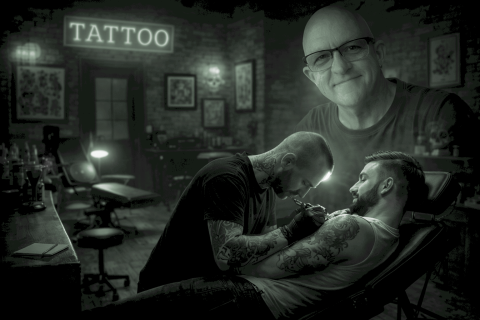

- Learn tattoo design, equipment, technique and professional practice.
- Equipment | Sterilisation | Machine Tuning | Inks | Needles
- Linework | Fine-Line Tattooing | Colour Packing | Shading | Water Colour | Realism
- Software for Tattoo Design
- Certificates after successful completion of the required learning and assessment
- Hygiene and cross-contamination training
- Blood-borne Pathogen Certificate
- Licensing & Registration Training
- Includes course document templates
- Indemnity Form & Aftercare Instructions
- Includes Extra Info and Notes
- A kit is an optional extra
Certificates after successful completion of the required learning and assessment
- Tattoo Certificate
- Bloodborne Pathogens Certificate
Understand what you are choosing
Online Tattoo Training Course
- CPD-accredited training: The CPD Standards Office lists Skinart’s Fundamentals of Tattooing in its CPD Standards Office provider directory. Verify the named activity there. Course recognition is separate from local permission to practise.
- Practical curriculum: Recorded lessons and assignments cover design, equipment, linework, shading, colour and professional-practice topics. Review the current syllabus and lesson examples before choosing your course.
- Hygiene and professional practice: Study bloodborne pathogens, cross-contamination and workplace topics alongside technique. Confirm the premises, registration and insurance requirements that apply to your proposed work and location.
- Flexible learning and support: Organise the recorded lessons and assignments around your schedule. Contact the Skinart team with questions about the training or your next learning step.
- Plan your practice equipment: Kits are optional and supplied only in South Africa and New Zealand. Check the selected offer; in other countries, arrange the required equipment through your own supplier.
A useful first step
Try a line-control drawing study
With pen or pencil, join endpoints, follow curves and repeat circles on the free practice sheet. Compare your first and later attempts for smoothness and consistency.
Keep this drawing exercise separate from machine practice. Use the course instructions for your practical assignments on the specified practice materials.
Open the free practice sheetYour learning route
The Process, Simplified
- Once your enrolment is processed, begin the lessons included in your selected course and payment option.
- Start with the foundation lessons and complete the relevant design and theory assignments.
- Progress through equipment and technique lessons, connecting each topic to the assigned practice work.
- Work through the course requirements and assessments before certificate issue. Completion time varies with your experience and study schedule.
Explore what is included
Course Curriculum
Open each section to read the main course topics, including the dedicated fine-line lesson.
Introduction and History
- Introduction to the Fundamentals of Tattooing
- Files and Folders Provided
- An Introduction to Tattoo Art
- Using Themes
- Different Art Styles
- A Practical Guide to Tattoo Styles
- Brief History of Tattoos (Parts 1 & 2)
Licensing and Business Setup
- Licensing Requirements
- Town Planning
- Running a Home Business
- Health and Safety Regulations
- Contact Your Health Department
- About Licensing and Registration
- Public Health Concerns, Including Covid-19
Tattooing Techniques
- Designing Tattoos: Overview and Purpose
- Choosing Design Software and Using Image Composer
- Creating and Simplifying Designs Quickly
- Assignments on Tattoo Design (1, 2, 3)
- Stencil / Trace Methods and Applications
- Rules of Placement
- Applying a Trace on Skin and Practice Materials
Equipment and Maintenance
- Introduction to Coil and Pen Machines
- Building and Assembling Coil Machines
- Coil Build Discussion, Tips, and Cartridge Conversion
- Maintenance: Quick Tune, Test Run, and Wrapping
Advanced Artistic Techniques
- Linework and Technique
- Fine-Line Tattooing: Design, Control and Practice
- Packing Black and Blackwork Design Practice
- Soft Shading: Black and Gray Tattoos
- Color Tattoos: Traditional, Watercolor, and Realism
- Special Techniques: Script, Font, Minimalist, and Fur Tattoos
Professional Practice and Aftercare
- Understanding the Human Skin and Needle Depth
- Sterilization and Cross Contamination
- Tattoo Aftercare Instructions
- Workstation Cleanup
- Photography and Social Media Skills for Tattoo Artists
- Your First Practical on a Model
- Final Words and Certification
Prepare for study and practice
About our online tattoo course
Your study setup
Use a reliable internet connection and a device that plays recorded lessons and opens course documents. Design demonstrations include Microsoft Image Composer; suitable supported design software may be used for the assignments. A Windows-only computer is not a general course requirement.
Your practice equipment
A kit is an optional extra. Equipment is supplied only in South Africa and New Zealand, subject to the selected offer. In other regions, arrange the required equipment through your own supplier before practical exercises.
Your practice record
Follow the assignment order, keep your attempts and note what changed. Connect questions to a lesson or an example of your work so the team can help with your next learning step.
Bloodborne Pathogens (BBP)
Bloodborne pathogens (BBP) are pathogenic microorganisms that are present in human blood; these and other potentially infectious materials (OPIM) can cause disease.
BBP learning covers exposure risks and prevention, personal protective equipment, sharps, waste and incident-response topics. Keep course completion separate from the workplace-specific instructions and requirements that apply to your role.
After Course Assistance
Once your course is complete, our dedication to your learning and development remains. You’re never alone on your educational journey. We’re available through Message Skinart to provide continual support and guidance. Whether you’re in need of technical assistance, have questions about a particular topic, or just want to explore new concepts, we’re a message or call away. Embark on this exciting learning adventure with us and let’s continue to grow and succeed together.
From the existing Skinart gallery
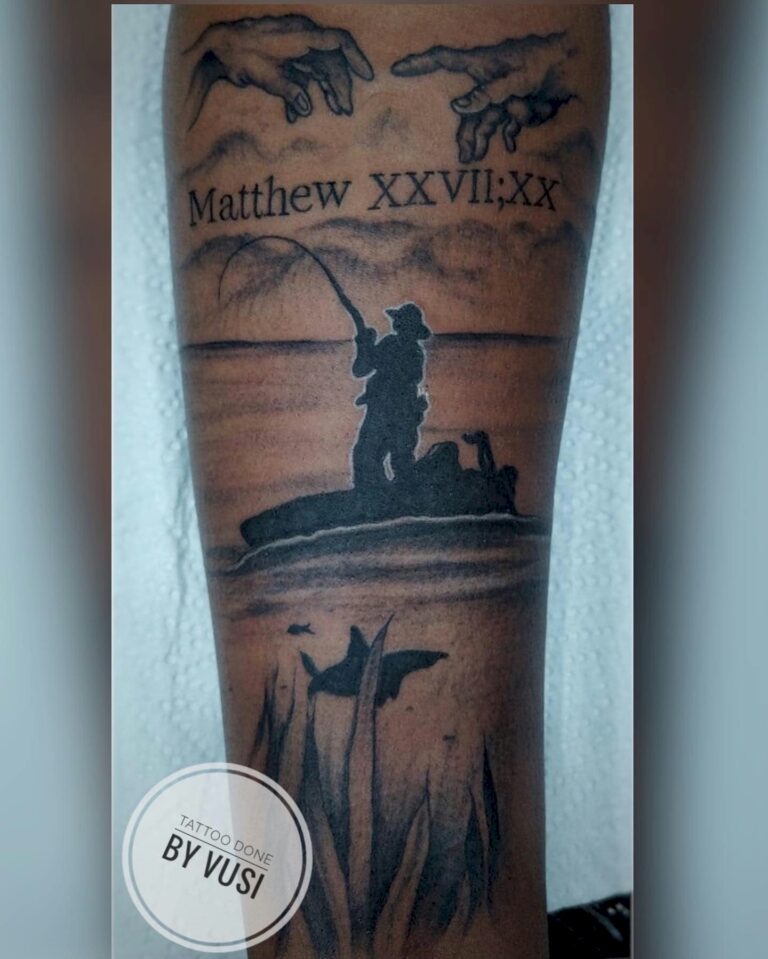
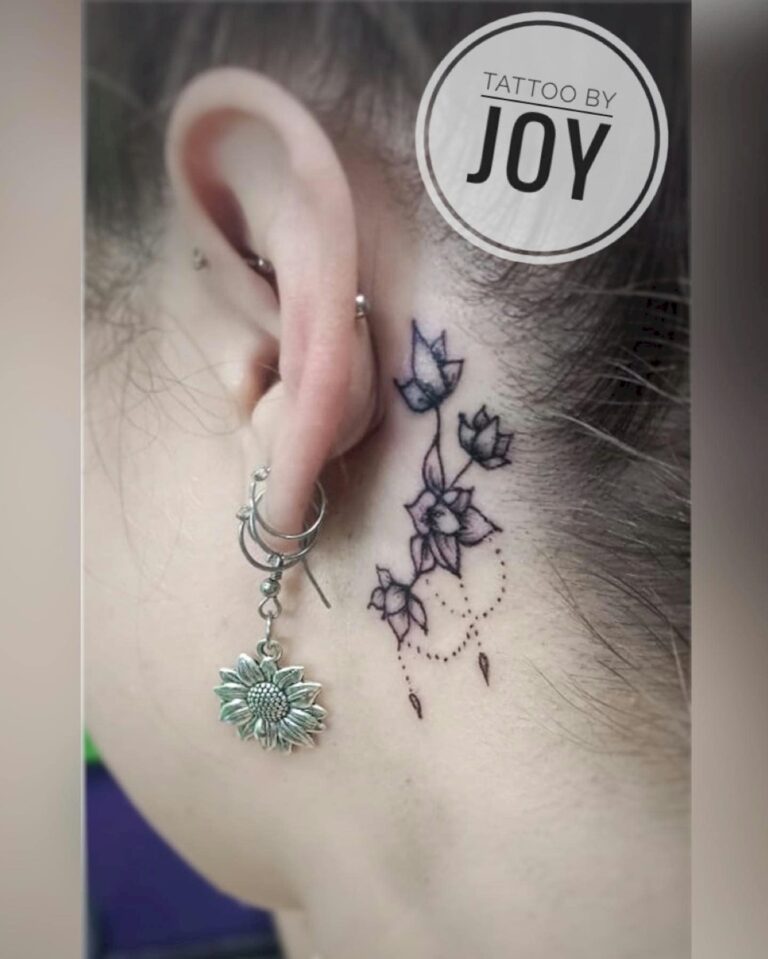
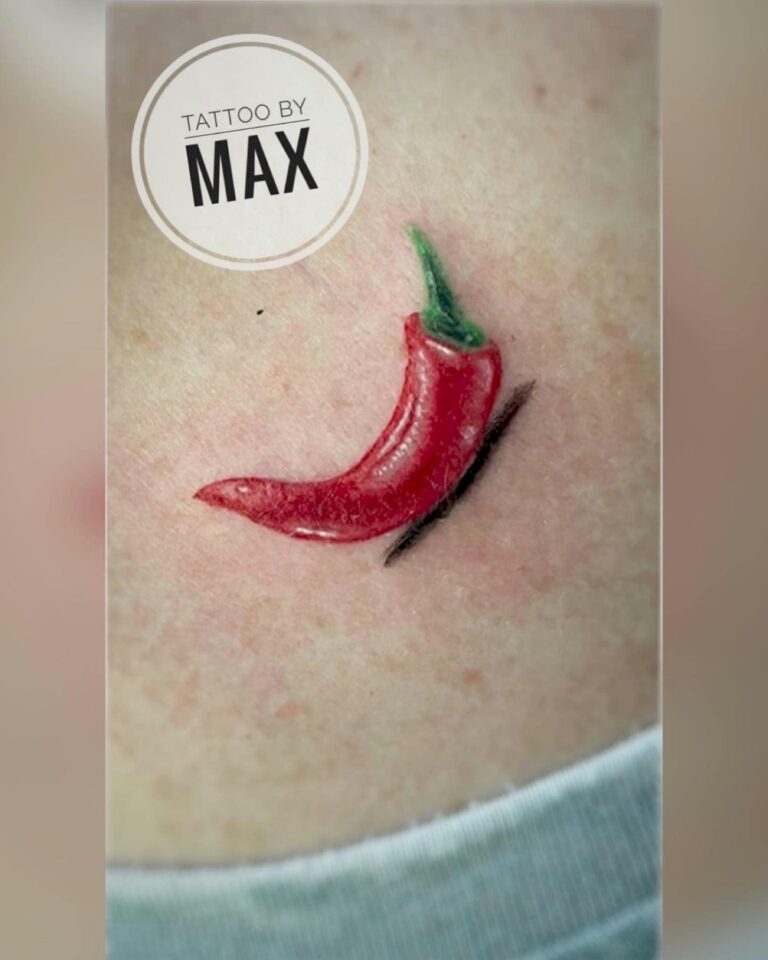
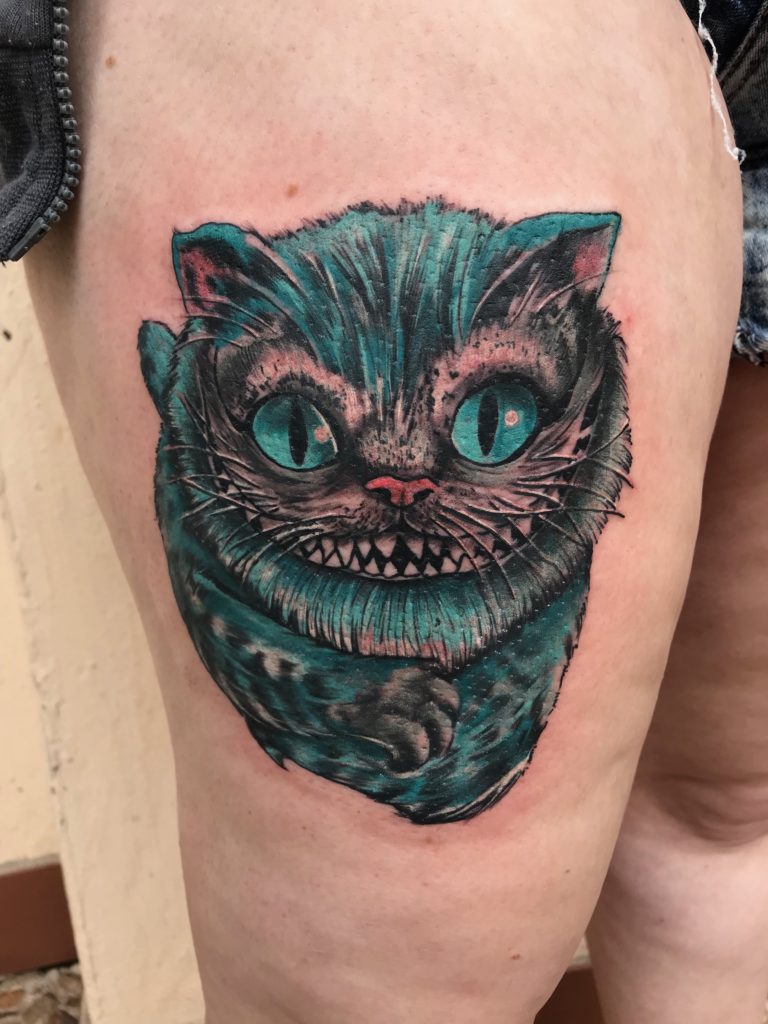
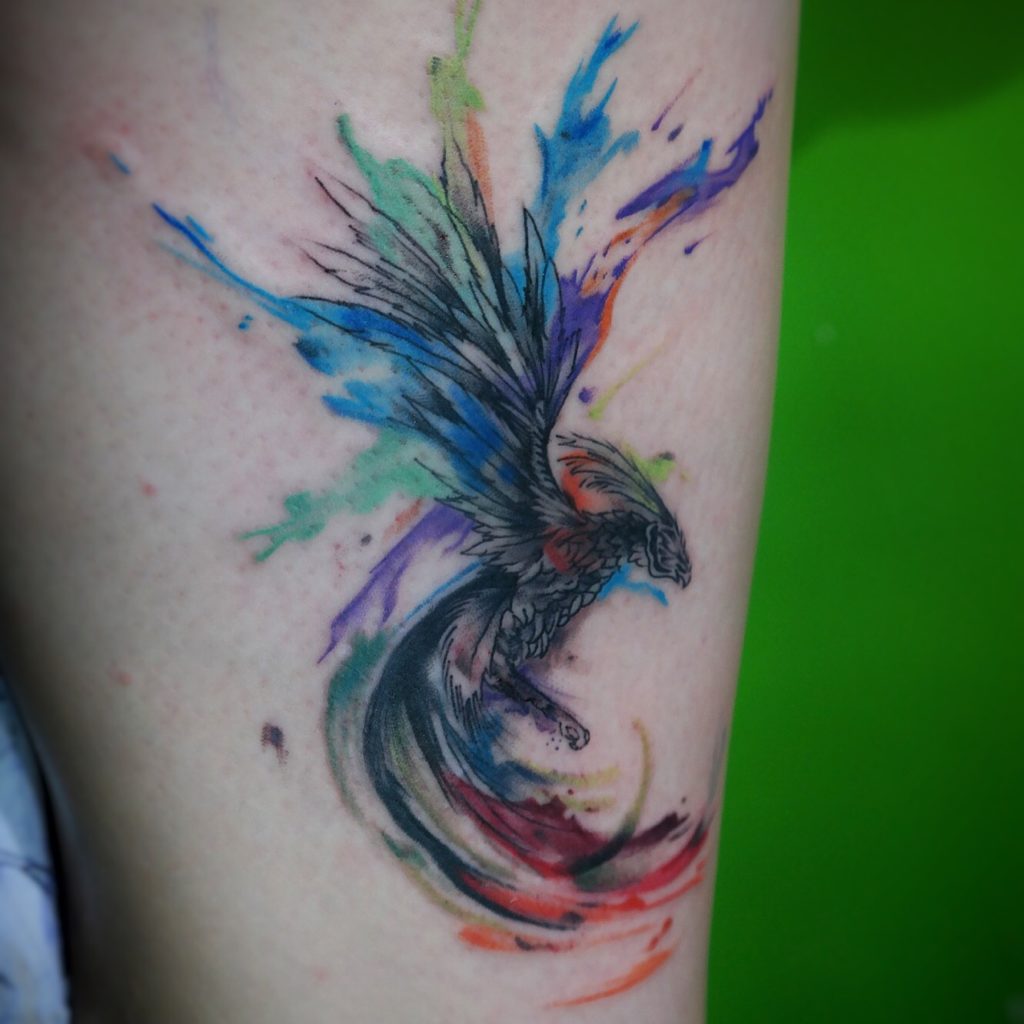
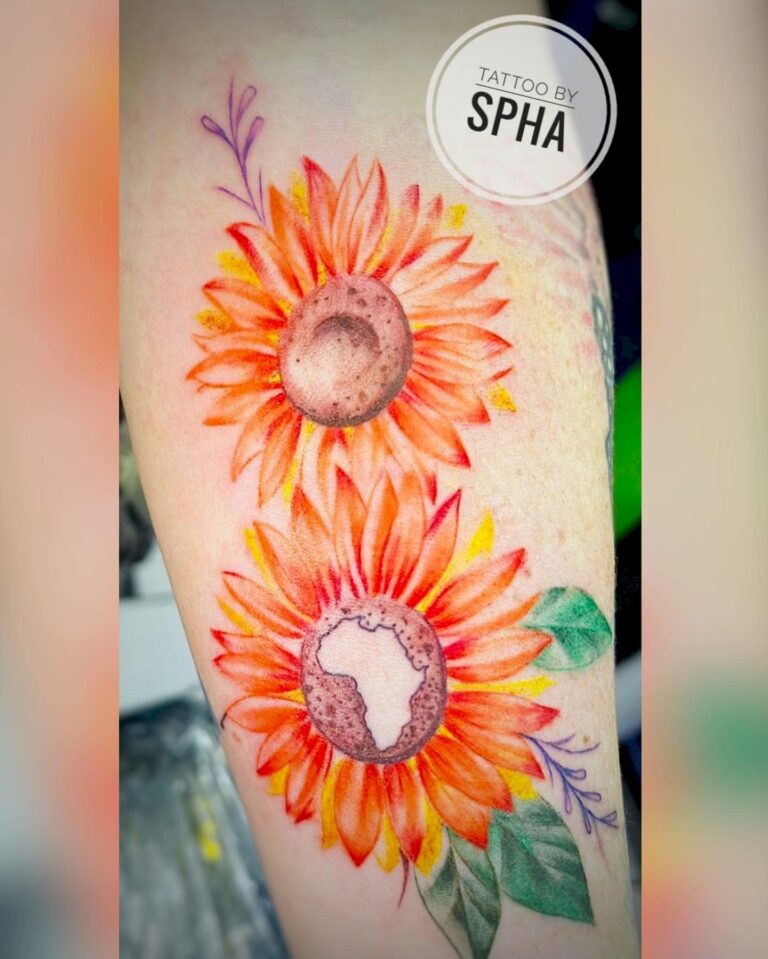
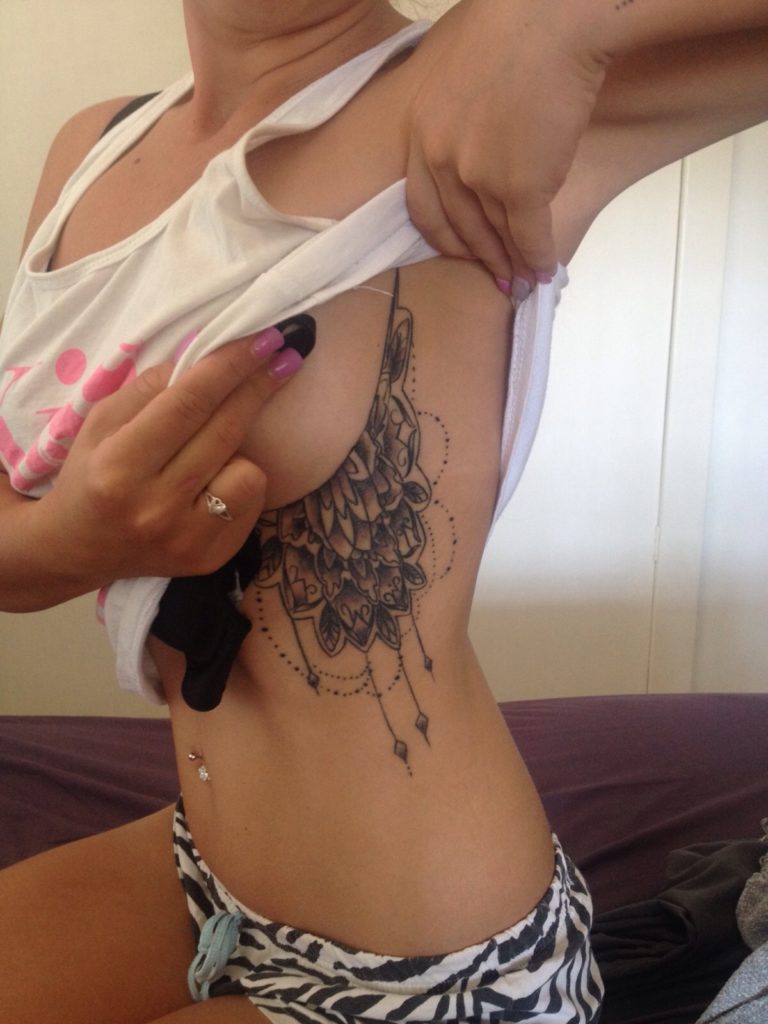
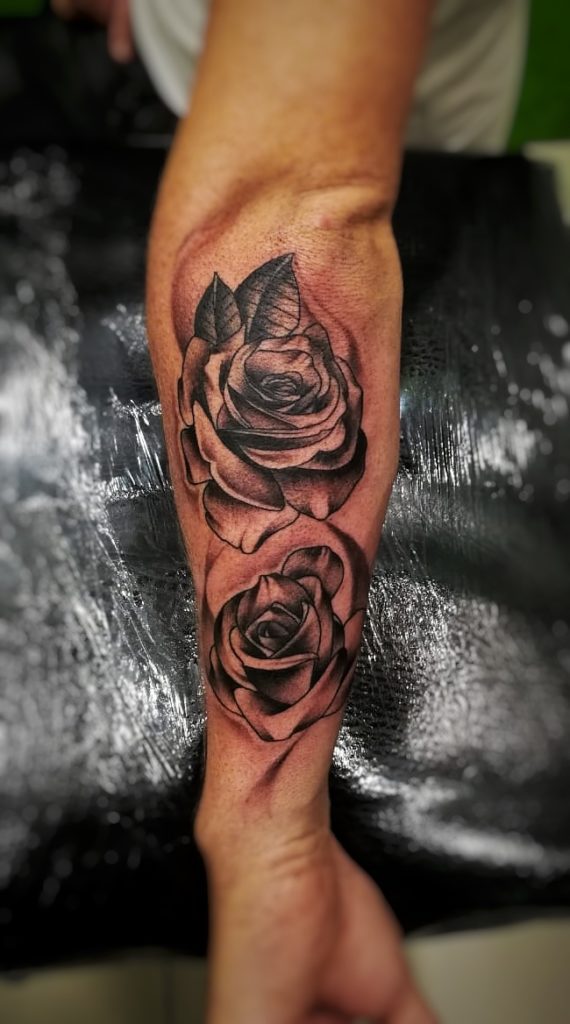
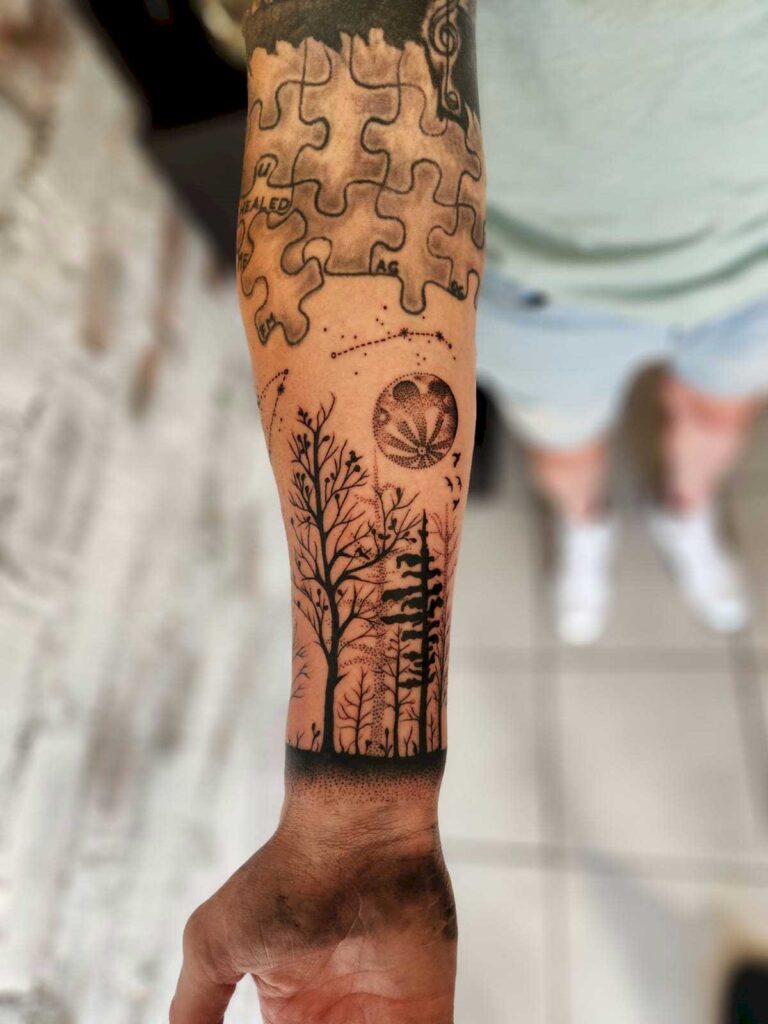
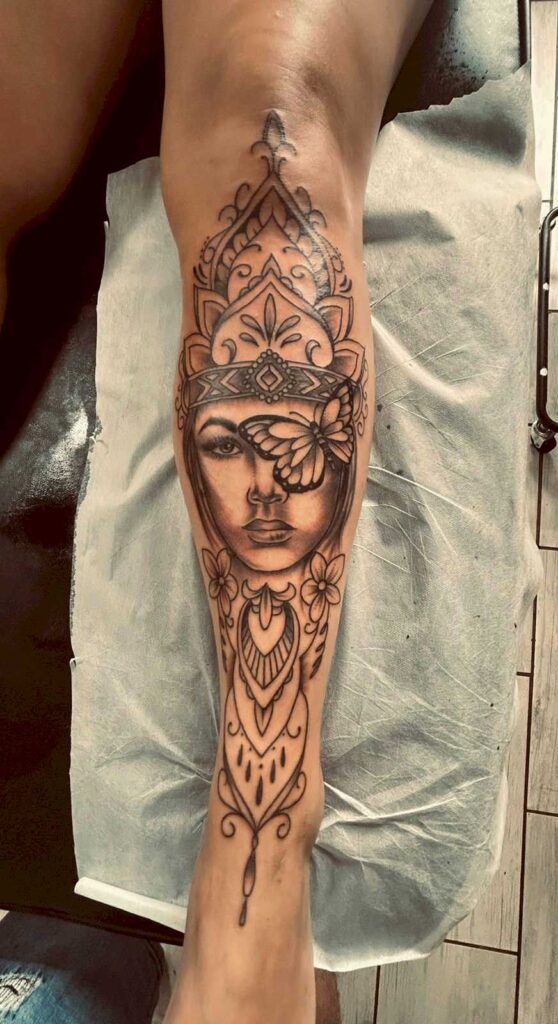
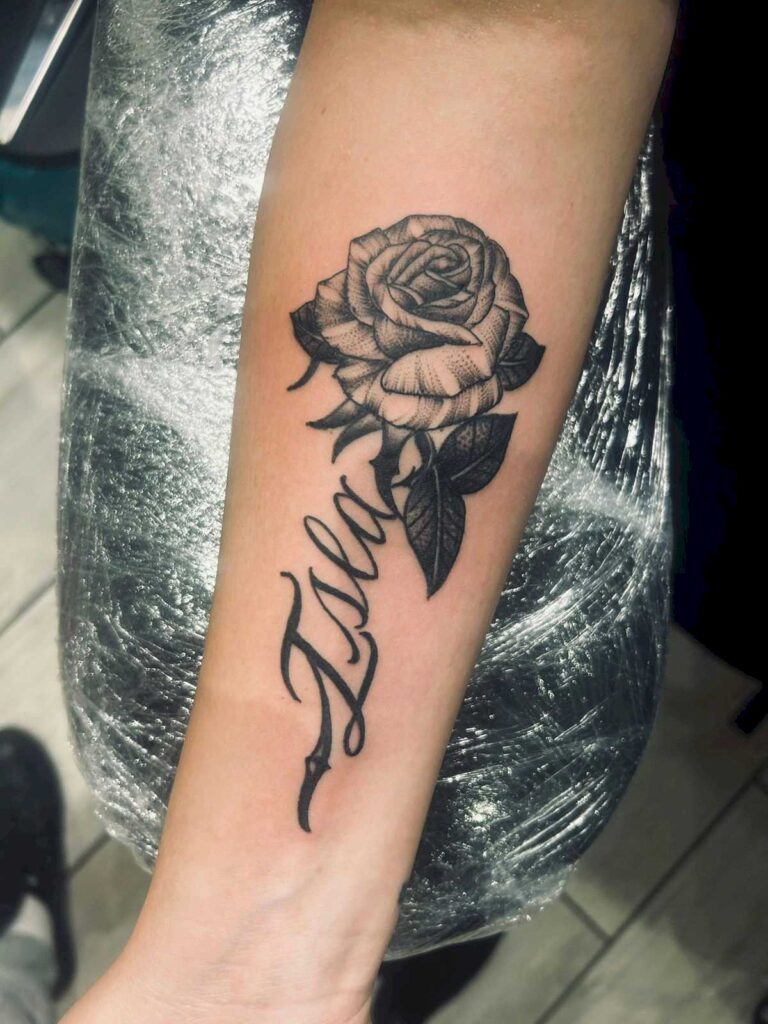
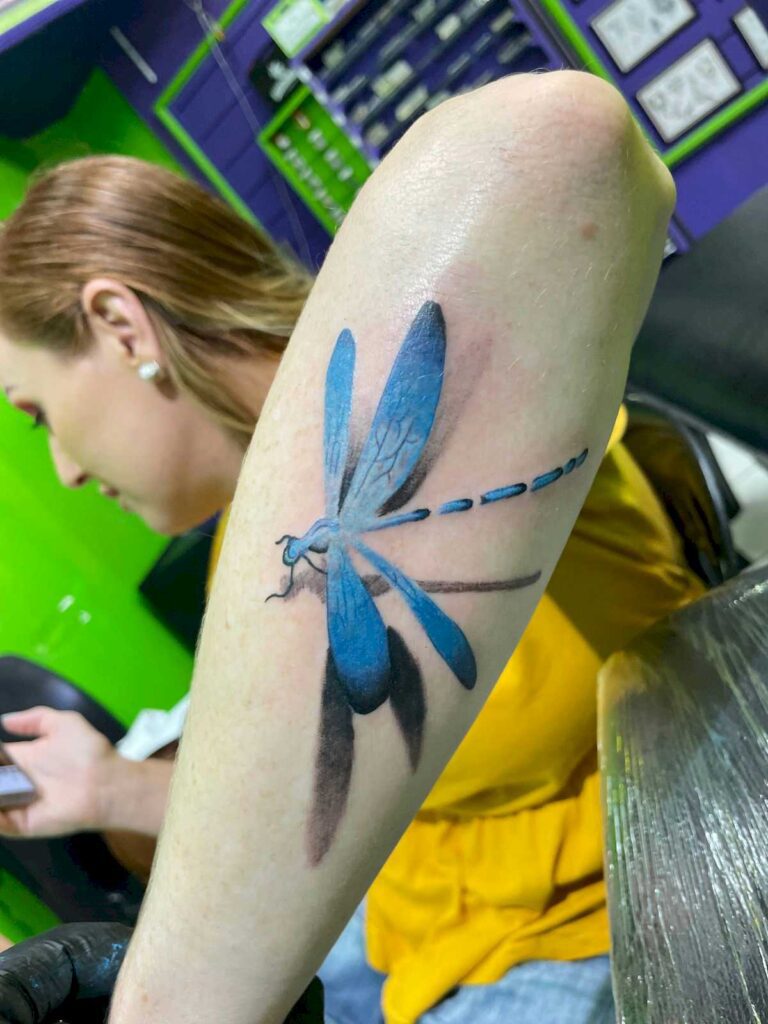
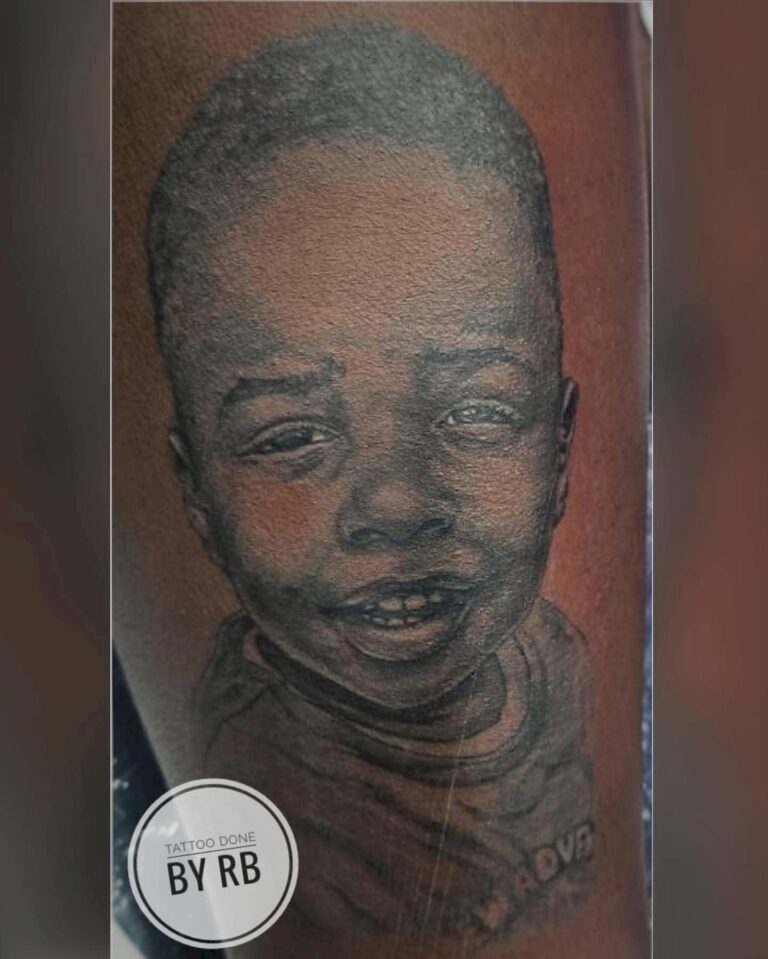
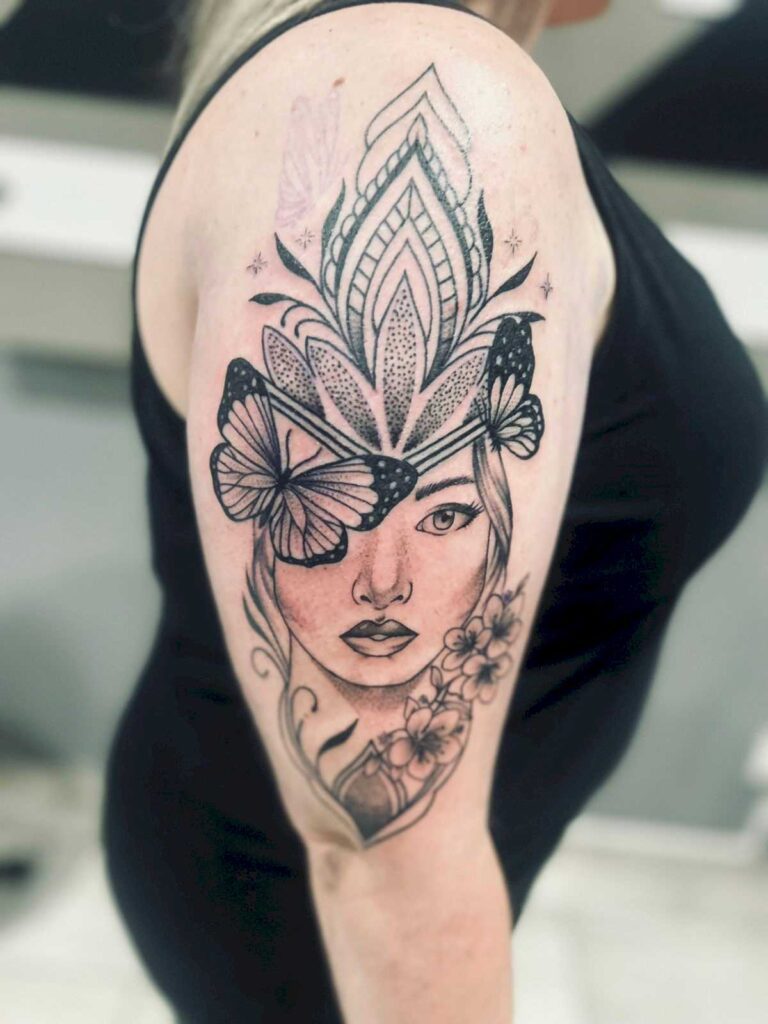
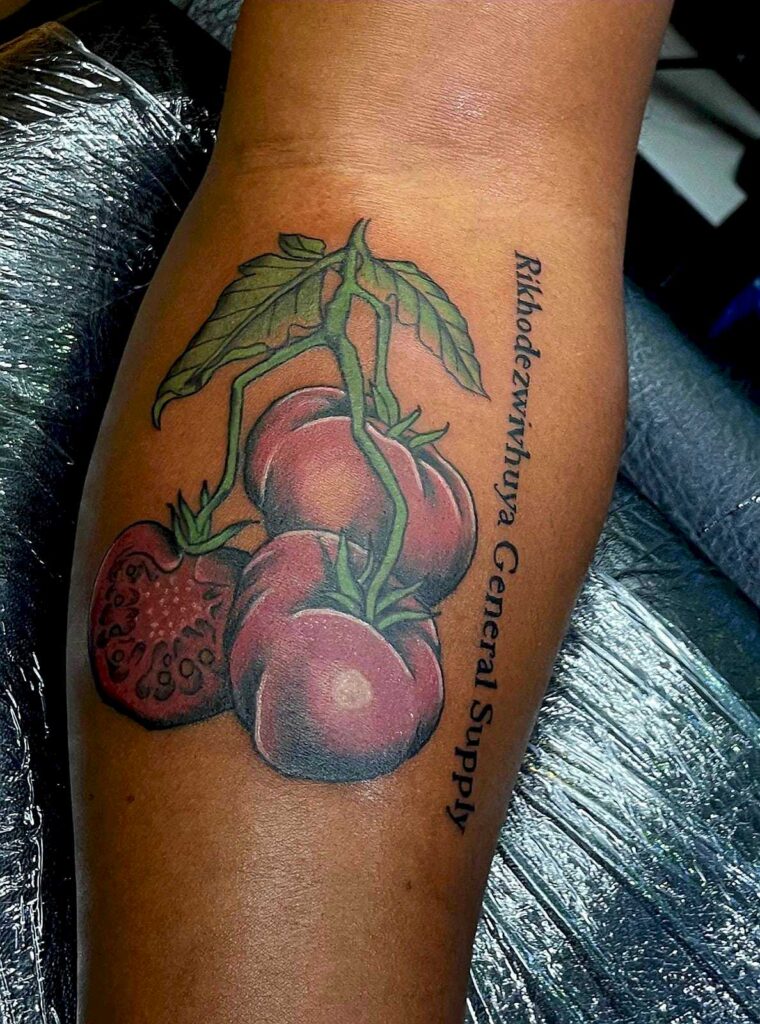
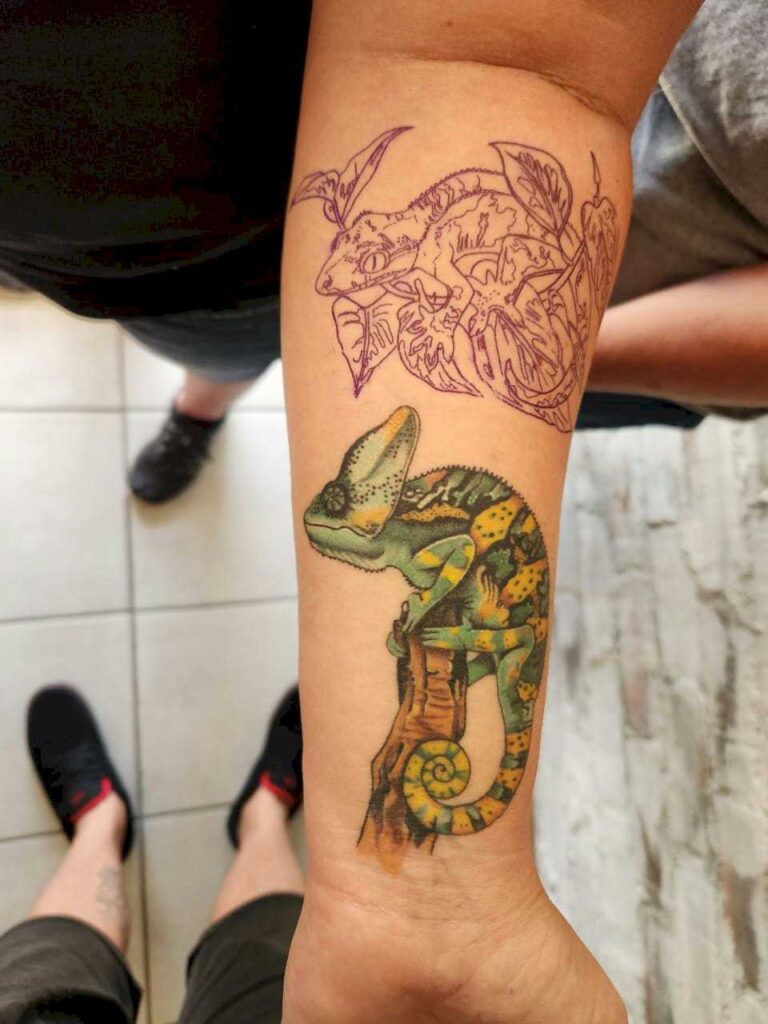
Student tattoo work
Explore the original work examples below, alongside the design, technique and professional-practice topics in the curriculum.

Hear from learners
Student experiences
Build your learning around design, equipment, technique and regular practice. Beginners can work through the foundations; experienced artists can review specific skills and ask focused questions. Complete the required assignments and assessment, and allow the time your learning needs. Online training does not compress an apprenticeship into a fixed number of days.
The Team