Health Risks Without Blood Borne Pathogen Training
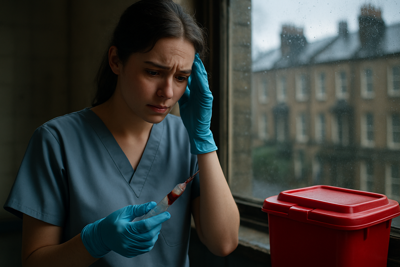
Working in body art without formal, accredited precautions can expose both you and your clients to serious, sometimes life-changing, infections. In the United Kingdom, understanding the Health Risks Without Blood Borne Pathogen Training is essential for anyone providing services that break the skin. This article explains the practical dangers, legal implications, common mistakes, and how accredited training reduces risk.
Whether you’re a trainee, an experienced artist, or a business owner, this guide is written to help you recognise what happens when Blood Borne Pathogen (BBP) principles aren’t followed — and why Skinart United Kingdom’s online Blood Borne Pathogen course is the right step to protect your clients, your business and your career.
Written by Gary, 23 years in Health Risks Without Blood Borne Pathogen Training education — we’ll draw on UK-specific guidance, industry examples and practical recommendations you can implement immediately.
Table of Contents
Use these links to jump to sections — this helps Google generate “Jump to” results and makes the article easier to navigate.
- Introduction: Why BBP Matters
- Core Concepts: How Blood-borne Pathogens Spread
- Consequences and Clinic Risks
- Common Pathogens and Symptoms
- Eight Common Mistakes Without BBP Training
- Prevention: Practical Steps You Can Take
- Training Options and Why Accreditation Matters
- UK Guidance and Local Examples
- Frequently Asked Questions
- Final Thoughts and Next Steps
Introduction: Why BBP Matters
The Health Risks Without Blood Borne Pathogen Training are not theoretical — they are real outcomes seen in clinics, studios and community settings. When artists lack structured BBP awareness, the chain of infection control is broken: from client screening to safe sharps handling, sterilisation, correct use of PPE and waste disposal. This increases the chance of transmitting viruses such as hepatitis B, hepatitis C and blood-borne HIV, as well as bacterial infections that can cause sepsis or severe local complications.
In the UK, the legal and reputational consequences of an avoidable infection are significant. Local councils and environmental health officers inspect premises; outbreaks linked to poor hygiene can result in prosecutions, closure notices, fines and reputational damage that are difficult to recover from. For many artists—especially those building a local client base in towns and cities across the UK—one publicised incident can end a career.
Beyond the legal side, the human cost is what matters most. Clients expect to be safe in your care. Blood-borne infections can lead to chronic disease, long-term medication and significant emotional distress. That’s why Skinart United Kingdom emphasises accredited, evidence-based training so you can lower the Health Risks Without Blood Borne Pathogen Training — and deliver consistently safe body art services.
Core Concepts: How Blood-borne Pathogens Spread
Understanding basic transmission routes makes preventing infection practical. Blood-borne pathogens are transmitted when infected blood or bodily fluids enter another person’s bloodstream, typically through needlesticks, micro-abrasions, mucous membranes or poor wound aftercare.
- Pros: Awareness helps you adopt safe working practices, protects clients and staff, and reduces legal risk.
- Cons: Without training, you may unknowingly practice unsafe sterilisation, incorrect sharps disposal, or fail to recognise high-risk clinical signs in clients.
These pros and cons are not abstract. For example, simple steps like correct glove changes between clients and avoiding reusing single-use items dramatically reduce infection risks. Conversely, not knowing how to respond to a needlestick injury can lead to delayed post-exposure prophylaxis (PEP), which in the UK may be time-critical when it comes to HIV exposure.
Training makes these actions routine rather than reactive. That routine is what turns a busy studio into a safe professional environment, lowering the Health Risks Without Blood Borne Pathogen Training for everyone involved.
Consequences: Client Health, Business Risk and Community Impact
Infections acquired through unsafe body art practices range from minor local infections to chronic viral disease. Beyond the individual, outbreaks can affect communities: a cluster of hepatitis cases linked to an unregulated setting can trigger public health investigations, increased regulation and loss of trust in local businesses. In the UK context, environmental health departments and the Health and Safety Executive may become involved.
Social media amplifies reputational damage: a single client complaint shared widely can lead to cancellations, lost revenues and a damaged professional reputation. Many artists underestimate the long-term impact of one incident.
From a cost perspective, the financial consequences are tangible: potential civil claims, remedial clinic costs, deep-cleaning, temporary business closure, and the time needed to respond to health investigations. All of this is preventable with consistent BBP training and protocols.
- Hepatitis B and C — chronic liver disease and long-term treatment
- HIV — long-term antiretroviral therapy and monitoring
- Local bacterial infections — cellulitis, abscesses, sometimes requiring antibiotics or surgery
- Tetanus risk from poorly managed wounds
- Sepsis — rare but life-threatening if untreated
- Psychological harm — anxiety, stigma and loss of trust
- Business impact — inspection, closure, fines and litigation
- Community health costs — investigations and public health responses
Common Pathogens, Symptoms and Early Warning Signs
- Hepatitis B — may be asymptomatic initially; can progress to chronic liver disease
- Hepatitis C — often silent for years; early detection is important to avoid long-term complications
- HIV — early flu-like illness in some; evidence-based PEP decision-making is time-sensitive
- Staphylococcus aureus and MRSA — local wound infection, abscess formation
- Pseudomonas aeruginosa — associated with contaminated water or improper aftercare
- Group A Streptococcus — can cause invasive infections and severe systemic illness
- Tetanus — rare but relevant if wounds are not cleaned properly
- Other environmental bacteria — risky when sterile technique isn’t followed
Early warning signs to watch for after a procedure include unusual or increasing pain, spreading redness, fever, pus, swelling or systemic symptoms. When in doubt, refer the client to NHS services or advise them to seek medical attention. As an artist, recognising these signs and having a protocol improves outcomes and reduces Health Risks Without Blood Borne Pathogen Training becoming a lived reality for your clients.
From a public health perspective in the UK, prompt reporting of potential outbreaks to local Public Health England successors (UK Health Security Agency) helps protect the wider community and ensures proper investigation and remedial action.
Eight Common Mistakes Without Blood Borne Pathogen Training
- Reusing or improperly handling single-use needles and tubes
- Failing to change gloves between tasks or clients
- Inadequate cleaning and disinfection of work surfaces and equipment
- Poor sharps disposal practice — using domestic bins or failing to label clinical waste
- Not having a written decontamination policy or post-exposure procedure
- Improper storage of sterile supplies, leading to contamination
- Insufficient client screening and failure to document medical history or consent
- Inadequate aftercare advice and no follow-up procedure for suspected infections
Each of the above mistakes represents a break in the chain of infection control. For many of these, a short, accredited course will teach the exact steps to avoid them — for example, how to set up a sterile field, which disinfectants meet UK requirements, and how to complete robust client records.
Local case studies in the UK show that studios who adopt written protocols and staff training reduce incidents dramatically. Municipal environmental health officers frequently report that properly trained operators are more likely to pass inspections and less likely to be involved in outbreaks.
Prevention: Practical Steps You Can Take Today
Prevention is practical and straightforward once you know the correct procedures. Accredited BBP training transforms these steps into habits. Key actions include:
- Always use single-use, appropriately disposed needles and equipment; never reprocess single-use items
- Change gloves between clients and between tasks that risk cross-contamination
- Use appropriate surface disinfectants that meet BSEN or HTM standards where applicable
- Sharps must go into UK-compliant clinical waste containers and be collected by licensed carriers
- Maintain clear client records, including medical history, consent and aftercare instructions
- Have an up-to-date post-exposure protocol and access to occupational health guidance for urgent cases
- Regularly audit your practice and keep training records for all staff
- Provide clients with clear, written aftercare and escalation instructions
These measures are effective because they interrupt transmission at multiple points. Training provides not only the “what” but the “how” — practical demonstrations, checklists and templates you can use in your studio day one.
Note that Skinart United Kingdom does not supply BBP equipment within the UK; however, our course teaches exactly what to purchase and where to source UK-compliant disposables and services.
Training Options and Why Accreditation Matters
Not all BBP courses are created equal. Accreditation through recognised bodies ensures the syllabus follows evidence-based standards and that your certification is accepted by local authorities and insurers. Skinart United Kingdom’s Blood Borne Pathogen course is fully accredited with the CPD Standards Office and the Body Art Qualification Association (BAQA), meaning the content is validated and designed for real-world application in UK settings.
Our online Blood Borne Pathogen course teaches the same core competencies inspectors and public health officials expect to see during audits: risk assessment, decontamination, sharps management, PPE use, incident reporting and client communication. This knowledge reduces the Health Risks Without Blood Borne Pathogen Training and helps you demonstrate professional standards during inspections.
Because Skinart is an internationally respected training provider with over two decades of delivery experience, we include best-practice templates and UK-focused guidance. We do not offer in-person BBP training in the United Kingdom, but our online course is comprehensive, interactive and accepted by local authorities and many insurers.
UK Guidance, Local Examples and Expert Quotes
UK environmental health teams and the UK Health Security Agency provide frameworks and recommendations for infection control. In practice, councils in cities like Manchester, Brighton and Glasgow regularly inspect studios and expect staff to demonstrate BBP awareness, written decontamination policies and proof of training.
“Operators who can demonstrate training and clear procedures are less likely to be linked to outbreaks and more likely to pass inspections,” said a spokesperson from a UK local authority environmental health team. “Public safety is our priority.”
Another industry voice: “Accredited BBP training gives artists the confidence to work professionally and protects the reputation of the industry,” says a representative from the Body Art Qualification Association (BAQA). These perspectives highlight how training not only reduces Health Risks Without Blood Borne Pathogen Training, but also builds trust with regulators and clients.
Local success story — a small studio in Sheffield implemented staff training, introduced a documented decontamination routine and improved record-keeping. Over 18 months the owner reported fewer client concerns and a smoother inspection process with local environmental health. This practical example demonstrates how relatively small changes produce measurable benefits.
Frequently Asked Questions
Below are common questions readers search for about Health Risks Without Blood Borne Pathogen Training. Short, practical answers are provided and linked to further resources where relevant.
What are the main health risks if I don’t have BBP training?
Without BBP training you increase the chance of transmitting blood-borne viruses like hepatitis B and C, and bacterial infections that can cause abscesses or systemic illness; poor practice also risks legal and reputational consequences in the UK.
Can BBP incidents be avoided entirely?
While no activity is zero-risk, accredited training and strict protocols make incidents rare and manageable; training reduces errors, speeds appropriate responses and ensures compliance with local regulations.
Do UK councils accept online BBP certificates?
Many local authorities accept accredited online training, particularly when the provider (like Skinart United Kingdom) is certified by bodies such as CPD Standards and BAQA; always check with your local council if unsure.
What should I do after a needlestick injury?
Immediately encourage bleeding, wash the area with soap and water, report the incident, seek urgent medical or occupational health advice and follow local PEP protocols if exposure risk is significant; timely action is critical.
How does training reduce insurance premiums?
Insurers favour operators who can show formal training, written protocols and audit trails because these reduce claim likelihood; some insurers offer better terms to practices with up-to-date accredited training records.
Final Thoughts and Next Steps
Health Risks Without Blood Borne Pathogen Training are avoidable. With the right knowledge and systems you can protect clients, safeguard your business and demonstrate professional care. Accredited training gives you the practical tools, the recognised certificate and the confidence to operate in regulated UK environments.
Enrolling in a reputable, accredited BBP course is an investment in your practice. It reduces day-to-day risk, helps secure insurance and licensing, and demonstrates to clients and inspectors that you prioritise safety.
If you are ready to reduce Health Risks Without Blood Borne Pathogen Training in your studio, take the next step: complete accredited learning, adopt written procedures and schedule regular staff refreshers. Small, consistent actions create long-term protection.
Ready to reduce risks and work professionally?
Our accredited online Blood Borne Pathogen course is tailored for UK operators and designed to give you practical, inspection-ready skills. Click below to learn more and register.
Recent Blog Posts
- Studio Etiquette Update: Professionalism in 2026
 Workplace Etiquette for Body Art Studios Refresh your studio etiquette and build a reputation for professionalism with these up-to-date best practices.… Read More »Studio Etiquette Update: Professionalism in 2026
 - 🌙 Eid Mubarak: Celebrate with 5% Off in 2026!
 Eid Savings: 5% Off All Courses Celebrate Eid with a special offer: 5% off any course. Use code EID5 at checkout.… Read More »🌙 Eid Mubarak: Celebrate with 5% Off in 2026!
 - Top Mistakes New Body Artists Should Avoid (2026)
 Stay Ahead: Common Pitfalls for New Artists Read up on the most frequent errors new body artists make, and how to… Read More »Top Mistakes New Body Artists Should Avoid (2026)