Top BBP Mistakes That Can Lead to Infections
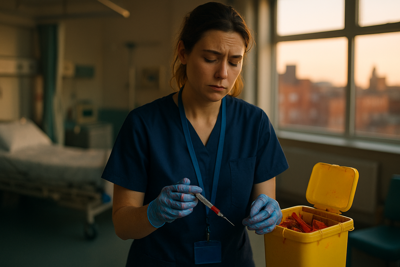
Blood safety is the backbone of responsible body art. In the United Kingdom, avoiding BBP mistakes that can lead to infections is not just good practice — it’s a legal and ethical duty. Whether you’re a new tattooist, a seasoned piercer, or a studio owner, a handful of common errors account for the majority of preventable infections seen in clinics and studios.
This article covers the most frequent BBP mistakes that can lead to infections, with clear examples, UK-focused context, and practical steps you can implement today. We’ll also point you to the training that helps you close these gaps: our fully accredited Blood Borne Pathogen course at Skinart United Kingdom.
Written by Gary Erskine, 25+ years in BBP education and body art training. Gary has helped thousands of practitioners in the UK and internationally reduce infection risk through targeted, accredited training and real-world clinic guidance.
Table of Contents
Use the links below to jump to any section — we use clean anchor IDs so search engines may show “Jump to” links in results.
- Understanding BBPs and Why Mistakes Matter
- Common Early-Career Errors: Pros & Cons
- Risks, Pathogens and How Infections Develop
- Top BBP Mistakes That Can Lead to Infections
- Prevention: Best Practices for Studios in the UK
- Client Communication, Consent & Aftercare
- Training, Accreditation & Why It Matters
- Frequently Asked Questions
- Final Thoughts & Next Steps
Understanding BBPs and Why Mistakes Matter
Blood borne pathogens (BBPs) are microorganisms carried in blood and body fluids that can cause disease in humans. In the context of tattooing, micropigmentation and piercing, the most commonly relevant BBPs are hepatitis B, hepatitis C and HIV. The difference between a safe procedure and a clinic-acquired infection often comes down to simple mistakes — lapses in hygiene, incorrect sharps handling, poor sterilisation practices, and inadequate aftercare.
When looking at BBP mistakes that can lead to infections, it’s important to recognise that an infection doesn’t always appear immediately. Some pathogens incubate for weeks or months. That means the immediate absence of symptoms is not a guarantee of safety — and strong protocols are essential to protect clients and practitioners alike.
For UK practitioners, these protocols align with local health regulations and guidance from bodies like the NHS and UK Health Security Agency. Following national guidance and accredited training reduces your legal risk and improves client outcomes. For example, the NHS provides clear guidance for safe sharps disposal and post-exposure protocols; familiarising yourself with these resources is a smart part of professional practice.
Common Early-Career Errors: Pros & Cons
New practitioners often learn quickly by doing, but some shortcuts can create long-term problems. Below are typical pros and cons around approaches that sometimes lead to BBP mistakes.
- Rushing between clients — Pro: more appointments booked; Con: reduced cleaning time, higher contamination risk.
- Reusing non-sterile supplies — Pro: lower immediate costs; Con: direct route to infection transmission and legal penalties.
Understanding these trade-offs helps you prioritise what’s non-negotiable. Cleanliness, correct sharps handling, and effective sterilisation are never optional; they protect clients, staff, and your business reputation.
Skinart United Kingdom’s Blood Borne Pathogen course emphasises safe workflows that are efficient and compliant — so you can run a busy studio without cutting critical corners. Accredited training helps you manage time, reduce mistakes, and maintain high standards that clients trust.
Risks, Pathogens and How Infections Develop
Infections occur when pathogens enter the body through broken skin, mucous membranes or bloodstream. In tattooing and piercing, this can happen via contaminated needles, unclean surfaces, poor hand hygiene, or contact with contaminated inks and pigments.
The common BBPs of concern — hepatitis B (HBV), hepatitis C (HCV) and HIV — can be transmitted if protocols are breached. But bacterial infections are also a frequent and immediate risk: staphylococcal infections, streptococcal infections and Pseudomonas can appear quickly if aftercare or antisepsis is inadequate.
Understanding how contamination occurs helps you design barriers and workflows — from client screening and surface cleaning to single-use disposables and effective autoclave cycles. When you remove opportunities for pathogens to cross into open tissue, you dramatically reduce infection rates.
- Contaminated sharps (needles) — direct bloodstream exposure
- Poor hand hygiene — indirect transfer between surfaces and skin
- Inadequate sterilisation — ineffective instrument processing
- Improper disposal — risk to staff and waste handlers
- Poor aftercare advice — client-side infections post-procedure
- Environmental contamination — surfaces, chairs, mats
- Cross-contamination of inks or pigments
- Failure to treat client wounds appropriately
Top BBP Mistakes That Can Lead to Infections
The phrase “BBP mistakes that can lead to infections” covers both specific actions and systemic weaknesses. Below are the most common mistakes we see in UK studios and how they contribute to infection risk.
- Using non-sterile or improperly sterilised reusable instruments — an autoclave cycle that’s too short or not validated can leave microbes alive.
- Re-sheathing needles or otherwise manipulating a contaminated needle — any contact with the contaminated shaft risks bloodstream exposure.
- Poor sharps disposal — overflowing bins or open containers expose staff and cleaners to needlestick injuries.
- Inadequate hand hygiene — skipping a glove change after contact with non-sterile surfaces transfers pathogens to clients.
- Failure to maintain a clean work surface — inks, gloves, and equipment sitting on contaminated surfaces can become sources of infection.
- Using expired or contaminated consumables (pigments, disinfectants) — these products can be less effective or contaminated themselves.
- Inadequate PPE — gloves are essential, but improper donning, doffing or wearing single gloves for multiple tasks is a risk.
- Poor aftercare instructions or non-adherence by clients — clients who don’t follow instructions can develop infections days later.
Each of these mistakes is preventable. Small changes to workflow — consistent glove changes, validated sterilisation, properly labelled consumables and clear aftercare — reduce risk substantially. It’s also why formal training is so valuable: predictable, repeatable routines replace guesswork.
Our Blood Borne Pathogen course is tailored for UK practitioners and aligns with local health guidance. It’s designed to turn these high-risk mistakes into routine “no-go” behaviours for your studio.
Prevention: Best Practices for Studios in the UK
Prevention is a layered strategy — multiple small barriers working together to stop pathogens reaching open tissue. Here are the core pillars every UK studio should follow.
- Validated Sterilisation: Use an autoclave validated to British standards. Record cycles, regularly test with biological indicators and maintain service logs.
- Single-Use Needles & Cartridges: Where possible use pre-sterilised single-use items and dispose of them immediately into puncture-proof containers.
- Sharps Management: Use appropriately labelled sharps bins, don’t overfill, and follow local waste removal protocols.
- Hand Hygiene: Wash hands before and after each client contact and change gloves between non-contiguous tasks.
- Surface Disinfection: Use approved disinfectants for clinical surfaces and clean between clients; wipe all high-touch areas.
- Personal Protective Equipment: Wear gloves, masks and eye protection when needed; change gloves after touching non-sterile surfaces.
- Consumables Control: Check expiry dates and integrity of pigment seals; store products in clean, dry conditions.
- Incident Reporting: Have a clear protocol for exposures, including documentation and local health authority notification where required.
In the UK, following these steps also helps with local inspections and demonstrates professional standards. Remember — prevention protects your clients and your business reputation.
For detailed checklists, the UK Health Security Agency and local councils publish guidance on sharps disposal and infection control — these are useful references to pair with accredited training.
Client Communication, Consent & Aftercare
Infections can be prevented not only in-studio but by empowering clients to manage their own aftercare. Clear communication before the procedure and straightforward written aftercare instructions reduce late-presenting infections.
Consent forms should include screening questions for blood borne illnesses, medications, recent vaccinations, or conditions that could affect healing. This is standard practice across UK councils and helps practitioners make informed clinical decisions.
- Clear verbal briefing before the procedure
- Written aftercare leaflet with step-by-step cleaning and warning signs
- Explicit wound care instructions: keep the area clean, avoid swimming pools or baths for the recommended time
- When to seek medical assistance and who to contact in-clinic
- Encourage clients to report any unusual redness, swelling, or discharge immediately
Good client communication reduces the chance of infections escalating and helps protect your studio from avoidable complaints or local authority action. In the UK, clear aftercare is often the difference between a successful outcome and a preventable complication.
Training, Certification and Why It Matters
Accredited training gives you more than knowledge — it gives you documented competence. For BBP control, an accredited course covers the legal framework in the UK, practical infection control measures, and how to respond to exposure incidents. Skinart United Kingdom offers a CPD and BAQA-accredited Blood Borne Pathogen course that is tailored to the needs of body artists and related practitioners.
Completing accredited training demonstrates to clients and local authorities that you operate safely. It also reduces the likelihood of errors — retraining, checklists and standard operating procedures transform occasional knowledge into consistent practice.
Note: Skinart United Kingdom offers this course online; we do not offer in-person BBP training in the United Kingdom, and we do not supply BBP equipment in the UK. The course content focuses on safe practice, legal responsibilities and evidence-based infection prevention.
UK Examples, Quotes and Local Context
Across the UK, local council inspections and case reports show recurring patterns: inadequate instrument processing, poor PPE practices, and incomplete client records. These are the same BBP mistakes that can lead to infections. Addressing them with standardised training and simple studio rules has reduced incidents in many councils.
We include industry perspectives in our training. As the Council for Tattoo and Piercing Professionals (CTPP) has noted, “Standardised infection control training and documented procedures significantly reduce avoidable complications.” Similarly, a spokesperson from a UK local environmental health team recently commented that consistent paperwork and validated sterilisation records make inspections straightforward and protect public health.
“Routine protocols, not guesswork, are the most effective barriers against BBP transmission in body art.” — Local Environmental Health Officer, UK
These local insights reinforce why accredited BBP training — and the practical checklists inside it — matter for everyday studio safety and compliance.
Frequently Asked Questions
Below are answers to the questions we hear most about BBP mistakes that can lead to infections. If you need a deeper dive, our accredited Blood Borne Pathogen course covers these topics in detail.
Q: What are the most common BBP mistakes that lead to infections?
A: The most common mistakes include using improperly sterilised reusable instruments, mishandling sharps, poor hand hygiene, inadequate surface disinfection, and insufficient client aftercare instructions. These errors increase the chance of bacterial and viral transmission.
Q: How soon can an infection appear after a tattoo or piercing?
A: Bacterial infections typically show within 48–72 hours, though viral infections can take longer. Monitor clients closely and advise them to seek medical help if symptoms develop.
Q: Can accredited training reduce my risk of mistakes?
A: Absolutely. Accredited BBP courses teach standard procedures and practical steps you can use immediately to lower infection risk and meet UK regulatory expectations.
Final Thoughts & Next Steps
BBP mistakes that can lead to infections are often the result of predictable workflow gaps, not individual negligence. By adopting validated sterilisation, disciplined hand hygiene, proper sharps management and clear client communication, you remove the most common routes of transmission.
Invest in accredited training to convert knowledge into consistent practice. Skinart United Kingdom’s online Blood Borne Pathogen course is CPD and BAQA-accredited and specifically designed to equip UK-based practitioners with the skills and checklists needed to avoid costly mistakes.
Take the next step: refine your studio systems, strengthen documentation, and enrol in training that focuses on preventing the BBP mistakes that can lead to infections. Small changes today protect clients and your career long-term.
Ready to Reduce Risk in Your Studio?
Enroll in our accredited Blood Borne Pathogen course to learn practical, UK-relevant infection control and reduce the BBP mistakes that can lead to infections.
Recent Blog Posts
- Studio Etiquette Update: Professionalism in 2026
 Workplace Etiquette for Body Art Studios Refresh your studio etiquette and build a reputation for professionalism with these up-to-date best practices.… Read More »Studio Etiquette Update: Professionalism in 2026
 - 🌙 Eid Mubarak: Celebrate with 5% Off in 2026!
 Eid Savings: 5% Off All Courses Celebrate Eid with a special offer: 5% off any course. Use code EID5 at checkout.… Read More »🌙 Eid Mubarak: Celebrate with 5% Off in 2026!
 - Top Mistakes New Body Artists Should Avoid (2026)
 Stay Ahead: Common Pitfalls for New Artists Read up on the most frequent errors new body artists make, and how to… Read More »Top Mistakes New Body Artists Should Avoid (2026)