How to Combine Microblading with PMU Training
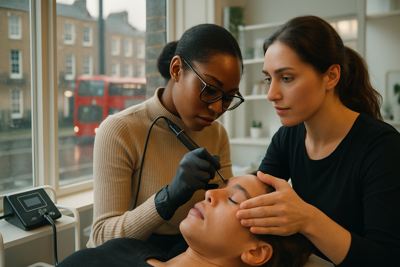
Combining Microblading with PMU training is one of the smartest moves a brow artist in the United Kingdom can make today. Whether you are starting out, upgrading skills, or looking to expand the services you offer, learning how to combine microblading with PMU training unlocks client opportunities and increases your earning potential.
In this comprehensive guide we’ll explain the practical pathways, the regulatory and insurance considerations for the UK, common mistakes to avoid, and how to structure your learning so you can confidently offer both microblading and permanent makeup services. The techniques overlap but each has distinct workflows — knowing how to combine microblading with PMU training effectively is essential for safe, beautiful, and consistent results.
Written by Gary, 23 years in Combine Microblading with PMU Training education — lead tutor and course author at Skinart United Kingdom. Gary has guided thousands of students worldwide and designed our accredited online Microblading course to bridge the gap between traditional hand-tool brows and machine-performed PMU.
Table of Contents
Use the links below to jump to each section. We use semantic IDs so search engines can show “Jump to” links in results.
- Understanding how to Combine Microblading with PMU Training
- Pros and Cons of Combining Microblading with PMU Training
- Structuring your Training Pathway
- Common Mistakes When Combining Techniques
- Legal, Insurance & Accreditation (United Kingdom)
- Client Consultation, Colour Theory & Healing
- How Skinart United Kingdom Supports Your Journey
- FAQ: How to Combine Microblading with PMU Training
- Final Thoughts & Next Steps
Understanding how to Combine Microblading with PMU Training
The phrase “Combine Microblading with PMU Training” is shorthand for learning how manual hair-stroke techniques and machine-based permanent makeup techniques can be integrated into your skillset to serve a wider range of clients. Microblading traditionally uses a hand-tool to create fine, realistic hair strokes in the brow lamina; PMU uses a machine and is often preferred for clients with oily skin, scarred brows, or when a more pigmented finish is requested.
Combining both skill sets provides you with technical versatility. For example, a client may initially book microblading to achieve softer hair-like strokes but later need machine-based shading to maintain fullness as brows fade. Knowing both methods means you can tailor treatment plans and offer appropriate top-ups, corrections, and hybrid techniques without referring the client elsewhere.
Understanding the physiology behind skin types, pigment retention differences, and the tools involved helps you make confident choices. When you combine microblading with PMU training you are not just stacking qualifications — you are learning to read skin and adjust technique so results are consistent regardless of the method used.
Pros and Cons of Combining Microblading with PMU Training
Before you commit time and resources, it helps to weigh the advantages and disadvantages. For many UK-based artists, the benefits outweigh the drawbacks — but you should plan deliberately.
- Pros: Wider client base, more pricing options, resilience against changing trends.
- Pros: Increased understanding of skin types and how pigments behave, improving overall results.
- Pros: Greater flexibility: you can offer soft microbladed brows, machine shading, or blended/hybrid brows.
- Cons: More training time and practice hours required to master both safely.
- Cons: Additional insurance cover and clear client records are needed, particularly for machine work.
Pros include increased income potential and the ability to solve a wider range of client problems. For example, clients with very oily skin respond better to PMU machine shading rather than microblading, so offering both removes the need to turn them away.
Cons are primarily logistical and financial: you’ll invest more in training, need to stay updated with two sets of technique best practices, and ensure you have the correct insurance and record-keeping in place. At Skinart United Kingdom we focus on a practical pathway that minimises these barriers for online learners.
Structuring your Training Pathway
To combine microblading with PMU training successfully, follow a staged approach that builds foundational knowledge and adds complexity. Start with skin anatomy and colour theory, then learn tool handling for microblading, followed by machine safety and PMU techniques. Practise extensively on synthetic skins and live models under supervision where possible.
Focus on three pillars: safe technique, predictable pigment outcomes, and excellent consultation. When you combine microblading with PMU training you are essentially creating a toolkit that allows you to choose the right tool for each client — not forcing every client into a single technique.
Below is a detailed, step-by-step list you can adopt as a roadmap:
- 1. Start with accredited theory: skin anatomy, contraindications, and infection control.
- 2. Learn microblading hand-tool fundamentals: stroke pressure, blade angle, and hair mapping.
- 3. Practice microblading strokes on synthetic skins and progress to supervised live models.
- 4. Study colour theory for brows, including warm vs cool pigments and how they evolve during healing.
- 5. Add PMU machine training: machine safety, needle selection, speed and depth control.
- 6. Train on machine shading and combo techniques (microblading + machine shading/hybrid brows).
- 7. Learn client consultation & aftercare specifically for combined techniques.
- 8. Record-keeping, consent forms, and photography—practice clinical documentation.
- 9. Business setup: pricing for combination services, treatment plans and micro-to-PMU transition options.
- 10. Ongoing mentoring and refresher sessions—book follow-up training with an experienced tutor.
Common Mistakes When Combining Techniques
- 1. Skipping the fundamentals: trying to learn machine shading before mastering basic hair-stroke direction and mapping.
- 2. Poor client selection: offering microblading to very oily or scarred skin where PMU would be more appropriate.
- 3. Overworking the skin by repeating strokes and machine passes in the same session.
- 4. Using incompatible pigments: choosing pigments without considering how they mix or oxidise with other formulas.
- 5. Inadequate aftercare instructions for hybrid procedures — clients need tailored post-care when both techniques are used.
- 6. Insufficient documentation: not recording which technique, pigment and depth were used — vital for top-ups and colour-correction.
- 7. Mixing equipment sources without following UK safety and CE guidelines for machine components.
- 8. Relying only on online videos without accredited training and assessment—leads to inconsistent standards.
- 9. Ignoring client medical history — certain medications and conditions influence technique choice and healing.
- 10. Trying to convert every client to a ‘signature technique’ rather than adapting to the client’s needs.
Many of these mistakes come from not appreciating the subtle differences between the two skill sets. For instance, microblading requires a lighter hand with superficial strokes; PMU often requires controlled machine passes at a slightly different depth. If you attempt both without training, you risk under- or over-penetrating the skin, which leads to poor retention and unsatisfactory client outcomes.
To avoid these problems, document each procedure carefully, offer realistic expectations during consultation, and practise under supervision until you can consistently deliver both microblading and PMU results that meet your standard.
Legal, Insurance & Accreditation (United Kingdom)
In the United Kingdom, combining microblading with PMU training also means understanding regulatory and insurance implications. Both microblading and machine PMU fall under body-art and cosmetic procedures, and training should be accredited to recognised standards to satisfy insurers and local authorities.
Skinart’s courses are accredited through recognised bodies such as the CPD Standards Office and the Body Art Qualification Association (BAQA). Accreditation matters when you look for public liability and professional indemnity insurance — most insurers will ask for proof of accredited training, detailed logs of supervised practice, and clear aftercare and consent documents.
Useful resources include the CPD Standards Office and BAQA for accreditation guidance, and local council guidance on cosmetic procedures in your area. For UK-specific accreditation information visit the BAQA site: baqa.org.uk or the CPD Standards Office: cpduk.co.uk.
- Check local authority requirements – some councils issue specific guidance for cosmetic tattooing.
- Ensure your professional indemnity and public liability insurance covers both microblading and machine work.
- Keep full clinical records and photographs; insurers and regulators often request them.
- Understand disposal and sharps handling rules — machine needles and single-use blades must be disposed of safely.
- Verify trainer credentials and ensure training includes supervised practical assessments.
Client Consultation, Colour Theory & Healing
Good consultation skills are the backbone of combining microblading with PMU training. During pre-treatment consultations you must assess skin type (thin/dry vs oily), scarring, medication and realistic client expectations. These factors determine whether microblading, PMU, or a hybrid approach is appropriate.
Colour theory is another essential topic. Microblading pigments are formulated to sit superficially and often fade faster; machine pigments may be denser and behave differently in sub-epidermal layers. Understanding warm and cool tones, undertones, and how pigments oxidise helps avoid unwanted colour shifts during healing.
Healing differs between techniques: microblading often has a lighter initial appearance with crisp strokes, while PMU shading may appear darker and soften over time. Educate clients about staged treatments and staggered touch-ups if both techniques will be used across visits.
- Always map the brows and agree on the final look with the client before commencing any technique.
- Use patch tests if there is any history of allergic reactions or sensitivity.
- Provide clear aftercare that explains how healing differs for each technique.
- Photograph before, immediately after, and during the 6–8 week follow-up to document retention and plan top-ups.
How Skinart United Kingdom Supports Your Journey
Skinart United Kingdom offers an accredited online Microblading course designed to teach you how to combine microblading with PMU training in a practical, safe, and business-focused way. Our curriculum covers theory, mapping, colour work and aftercare with CPD and BAQA-accredited assessments to help you meet insurer requirements.
Important: We do not offer in-person microblading training in the United Kingdom, and Skinart United Kingdom does not supply microblading equipment in the UK. Our online course emphasises technique, safety, and decision-making so you can safely transition between manual and machine methods once you have completed additional supervised practice as required by your insurer.
If you want structured learning with ongoing tutor feedback, our online course is tailored for UK students who need an accredited pathway that prepares them to combine microblading and PMU skills responsibly. You can find the course details, modules, and enrolment information here: Online Microblading Course.
- Accredited theory modules (CPD & BAQA recognised).
- Video demonstrations from experienced tutors, including Gary Erskine.
- Practical guidance on when to choose microblading, PMU or a hybrid approach.
- Templates for consent, aftercare and record-keeping that meet UK expectations.
- Post-course support and mentoring options to help with live practice.
FAQ: How to Combine Microblading with PMU Training
Below are common questions students and new technicians ask about how to combine microblading with PMU training in the UK.
Can I learn microblading and PMU at the same time?
Yes — you can study both, but it’s best to sequence learning: start with fundamental skin anatomy and microblading technique, then add PMU machine skills once you’ve logged supervised practice. Accredited courses often structure learning this way to ensure competence and safety.
Do I need separate insurance for both methods?
Most insurers will require evidence of accredited training that specifically covers each technique. You should inform your insurer that you intend to offer both microblading (manual) and PMU (machine) services so your policy covers both activities and the required clinical documentation.
Will combining techniques confuse clients?
Not if you communicate effectively. During consultation explain each method, show healed examples, and recommend the most suitable option for the client’s skin and lifestyle. Offering both methods often increases client trust because you can tailor treatment rather than pushing a single ‘signature’ approach.
Does Skinart United Kingdom provide equipment?
We do not supply Microblading equipment in the United Kingdom. Our online training teaches technique, assessment, and business processes; students should source their own equipment locally, ensuring it meets UK safety standards and supplier warranty terms.
Is an accredited course necessary for insurance and BAQA/CPD recognition?
Yes. Accredited courses recognised by CPD and BAQA give you the documented evidence insurers and local authorities often require. Skinart United Kingdom’s online Microblading course carries appropriate accreditation and guidance to help you meet those standards.
Final Thoughts & Next Steps
Combining microblading with PMU training is a strategic move for any brow artist who wants to expand services, adapt to a wide range of skin types, and stand out in the UK market. The key is to prioritise accredited learning, focus on consultation, and practise deliberately under supervision until both workflows are reliable.
If you are based in the United Kingdom and want a structured, accredited route to mastering microblading and understanding when to apply PMU methods, Skinart United Kingdom’s online Microblading course is designed for you. Our modules are created by tutors with industry experience and assessment experience to support your insurer and future clients.
Take the next step with confidence: invest in accredited training, practice ethically, and build a service menu that reflects your combined skills. The result is happier clients, a stronger reputation, and a durable business model.
Ready to Combine Microblading with PMU Training?
Start with an accredited online curriculum, learn from industry tutors, and get the documentation insurers expect in the UK. Our course prepares you for safe decision-making and practical delivery when combining microblading and PMU techniques.
Recent Blog Posts
- Studio Etiquette Update: Professionalism in 2026
 Workplace Etiquette for Body Art Studios Refresh your studio etiquette and build a reputation for professionalism with these up-to-date best practices.… Read More »Studio Etiquette Update: Professionalism in 2026
 - 🌙 Eid Mubarak: Celebrate with 5% Off in 2026!
 Eid Savings: 5% Off All Courses Celebrate Eid with a special offer: 5% off any course. Use code EID5 at checkout.… Read More »🌙 Eid Mubarak: Celebrate with 5% Off in 2026!
 - Top Mistakes New Body Artists Should Avoid (2026)
 Stay Ahead: Common Pitfalls for New Artists Read up on the most frequent errors new body artists make, and how to… Read More »Top Mistakes New Body Artists Should Avoid (2026)