How to Start a Permanent Makeup Business from Home
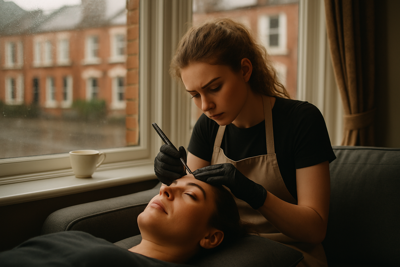
Thinking about how to start a permanent makeup business from home in the United Kingdom? This guide walks you through the practical steps, legal checks and skill-building you need to launch a professional, compliant and profitable home-based PMU service. Whether you’re retraining, returning to work or turning a passion into a career, Skinart United Kingdom will help you move forward with confidence.
Running a home-based Permanent Makeup business offers flexibility, low overheads and the ability to build a loyal local client base. In this article we cover set-up, equipment and consumables, clinical compliance, marketing, pricing and useful examples from UK practitioners who started from home and scaled successfully.
Table of Contents
Use these links to jump to the section you need. Adding anchor-linked headings helps Google show “Jump to” links in search results—handy for readers and great for SEO.
Introduction: Why Start a Home-Based PMU Business?
Starting a permanent makeup business from home can be an excellent route for trained technicians in the United Kingdom. Lower overheads, flexibility and the comfort of working from your own space let many practitioners offer competitive pricing while delivering a personalised client experience. Most importantly, a home studio can be run professionally and safely when you follow UK regulations and best practice.
There’s growing demand for semi-permanent treatments—microblading brows, ombré brows, permanent eyeliner and lip blushing—particularly among clients seeking low-maintenance beauty solutions. With the right training, record keeping and marketing, a home-based PMU service can deliver reliable income and the chance to build a strong local reputation.
Skinart United Kingdom’s online Permanent Makeup course prepares you for this step. Our CPD- and BAQA-accredited curriculum is designed for people who want to build a compliant, professional practice at home. Below you’ll find actionable steps to launch safely and effectively.
Legal & Safety Essentials for a Home PMU Studio
Before you welcome your first client, get the legal and safety fundamentals in place. Compliance builds trust, protects you legally and keeps clients safe.
- Pros: Lower overheads, control over schedule, personalised client environment.
- Cons: Home zoning rules, insurance requirements, extra effort to separate business and living areas.
In the UK, local councils regulate cosmetic tattooing in many areas. Check your local council’s rules about running a beauty business from home, registering a premises if required and any planning permissions. You’ll typically need public liability and professional indemnity insurance that explicitly covers cosmetic tattooing performed in a home studio.
Clinical safety is non-negotiable—blood-borne pathogen training, cross-contamination protocols, single-use needles and proper disposal of sharps are mandatory best practices. Our accredited course includes Bloodborne Pathogen (BBP) and infection control training so you can demonstrate your competence to clients and insurers.
Equipment, Supplies and Setting Up Your Treatment Room
Getting your home treatment room right is both about client comfort and infection control. Even small spaces can be adapted: a dedicated chair or bed, a trolley for consumables, and clear zones separating clean from used items will create a professional environment.
Note: Skinart United Kingdom does not supply permanent makeup equipment for UK students. You will need to source high-quality machines, needles and pigments from approved suppliers that meet UK safety standards. Your training will teach you how to evaluate equipment and pigments for safety and performance.
Essential items include a reclining treatment chair, task lighting, disposable covers, medical-grade disinfectants, sharps bin, single-use needle cartridges, pigments with traceable safety data sheets (SDS) and client consent and aftercare forms.
- Treatment chair or bed (easy to clean)
- Adjustable LED task light for precise work
- Disposable headrest covers and bed rolls
- Single-use needle cartridges and sterile packaging
- Medical-grade disinfectant and surface wipes
- Sharps bin (appropriate clinical waste disposal)
- Latex-free gloves, masks and protective eyewear
- Pigments with SDS and batch traceability
- Client record system (digital or paper) with consent forms
- First-aid kit and BBP incident book
Common Mistakes New Home PMU Businesses Make
- Skipping proper infection control training or BBP certification.
- Not checking local council rules or planning permissions.
- Mixing personal and professional spaces without clear separation.
- Underpricing services and not covering consumables, waste disposal and insurance.
- Using unverified pigments or equipment without SDS documentation.
- Poor record keeping—no client consent, no pre- or post-care notes.
- Weak or inconsistent branding and online presence.
- Ineffective client communication before and after treatment.
Many early mistakes are avoidable with a checklist and a short timeline. For example, confirming insurance and council requirements should be done before advertising. If you’re unsure about disposal or SDS documentation, speak to your pigment supplier and check the HSE guidance for clinical waste.
Skinart’s accredited Permanent Makeup course includes modules on safety, BBP and record-keeping templates you can adapt to your home studio—this is the quickest way to minimise risk and appear professional from day one.
Marketing, Branding and Pricing: How to Find Clients
To build a consistent client flow for your home PMU business, focus on a local-first marketing approach. Clients often search for treatments near them, so optimise your online profiles for local terms: for example, “permanent makeup near me” and “microblading [your town]”. Use the focus keyword naturally on service pages and profile descriptions to help local discoverability.
- Claim and optimise your Google Business Profile with accurate address and hours
- Build an Instagram portfolio showing before-and-after photos and short video snippets of the process
- Collect and display reviews—word of mouth is valuable in the beauty sector
- Offer a clear pricing page and package options (brow, lips, eyeliner, top-ups)
- Use targeted local ads sparingly for major promotions or open days
- Partner with local salons or makeup artists for referrals
- Offer introductory discounts for first-time clients with strict terms (non-refundable booking fee)
- Keep consistent messaging about safety, aftercare and realistic results
Pricing should reflect your skill level, quality of pigments and consumable costs, plus time for consultation, aftercare and potential touch-ups. Many UK practitioners charge an initial procedure fee and an optional top-up fee after healing; this model helps manage expectations and cashflow.
Remember that professionalism sells—clear terms, a visible cancellation policy and a polished online presence will attract clients who prioritise safety and results.
Growth Paths: From Home Studio to Full-Time Business
Many successful PMU technicians begin from home and scale over time. Growth can be gradual—first by increasing prices as your skill and portfolio mature, then by adding services or moving to a commercial premises. Some expand by training apprentices or offering specialised techniques such as paramedical camouflage or areola repigmentation.
Invest in continuing professional development—advanced training, colour theory and scar camouflage will expand your offering and command higher fees. The Body Art Qualifications Association (BAQA) and CPD accreditation add credibility that clients and insurers trust.
Quote:
“Local councils and health officials emphasise training and robust record-keeping. Accredited training is the best way to demonstrate competence and protect public safety.” — Municipal Public Health Officer, quoted for guidance.
- Increase advanced skills and diversify treatments
- Introduce clear, premium pricing tiers
- Build a strong client retention program and loyalty discounts
- Hire an assistant or junior technician when demand grows
- Consider moving to a dedicated commercial studio as revenue allows
- Offer training and mentoring once accredited
- Partner with salons or medical clinics for referrals
- Explore product lines (aftercare kits) for additional revenue
Daily Operations: Consultations, Aftercare & Records
Operational excellence wins trust. A clear consultation process, written consent, pre- and post-care instructions and a follow-up check at healing time make clients feel safe and supported. Always document skin type, known allergies, medications and any contraindications.
Maintain a secure client record system. Whether digital or paper, records must be legible, stored confidentially and retained according to local guidance. This helps should any query or complication arise and supports professional accountability.
Practical tips: use appointment confirmations that outline preparation steps (e.g., avoid blood thinners, sun exposure), apply topical numbing responsibly with consent, and schedule a review appointment 6–8 weeks after treatment for possible touch-ups.
Frequently Asked Questions
Below are common questions people ask when they want to start a permanent makeup business from home. Short, clear answers can help you decide what to do next.
Do I need a qualification to start a home PMU business in the UK?
Yes. While specific legal requirements vary by local authority, having accredited training (CPD and BAQA recognised) demonstrates competence to clients, insurers and council officers—it’s often required to obtain appropriate insurance and to be permitted to operate safely.
What insurance do I need to practise from home?
You should have public liability and professional indemnity insurance that explicitly covers cosmetic tattooing from a home studio. Check policy wording for coverage of clinical waste, aftercare issues and treatment complications.
Can I advertise treatments from my home address?
Advertising is allowed in many cases, but you must check local council rules. Some local authorities require that you register or obtain permission to operate from a residential address—contact your council’s environmental health or licensing team for guidance.
How do I price my services as a new technician?
Factor in training, consumables, pigment costs, insurance, waste disposal and your time. Consider an introductory pricing strategy with a non-refundable booking deposit to cover no-shows and administration.
Is running a home-based PMU business profitable?
Yes—many UK practitioners find home studios profitable because overheads are low compared with commercial premises. Profitability depends on demand, pricing, reputation and efficient scheduling.
Where can I get safe pigments and needles in the UK?
Buy from reputable UK or EU distributors who provide safety data sheets (SDS) and batch traceability. Your training will show what to look for in supplier documentation and how to assess pigment safety and permanence.
How long before I start seeing regular clients?
Within several months you can build a steady client base if you invest time in a strong local marketing plan, consistent social proof (reviews) and reliable aftercare. The most successful home practitioners combine training credibility with excellent client care.
Final Thoughts: Take the Next Step
Starting a permanent makeup business from home in the United Kingdom is an achievable and rewarding pathway when you combine quality training, clinical safety and thoughtful marketing. The right preparation—accredited training, insurance, a professional home studio set-up and clear client communication—sets you apart from competitors and builds long-term client trust.
At Skinart United Kingdom we’ve trained thousands of students worldwide with industry-recognised accredited courses. Written by Gary Erskine, 25 years in permanent makeup education, this guide condenses practical steps so you can plan and act with clarity.
You don’t need to do everything at once. Start with accreditation and a safe space at home, then build your brand and portfolio. With consistent action, a home-based PMU business can become a reliable and creative career.
Ready to Start Your Home PMU Business?
Join Skinart United Kingdom’s accredited online Permanent Makeup course and learn the skills, safety and business knowledge to launch confidently from home.
Recent Blog Posts
- Studio Etiquette Update: Professionalism in 2026
 Workplace Etiquette for Body Art Studios Refresh your studio etiquette and build a reputation for professionalism with these up-to-date best practices.… Read More »Studio Etiquette Update: Professionalism in 2026
 - 🌙 Eid Mubarak: Celebrate with 5% Off in 2026!
 Eid Savings: 5% Off All Courses Celebrate Eid with a special offer: 5% off any course. Use code EID5 at checkout.… Read More »🌙 Eid Mubarak: Celebrate with 5% Off in 2026!
 - Top Mistakes New Body Artists Should Avoid (2026)
 Stay Ahead: Common Pitfalls for New Artists Read up on the most frequent errors new body artists make, and how to… Read More »Top Mistakes New Body Artists Should Avoid (2026)