Learn Permanent Makeup from Home: Step-by-Step Guide
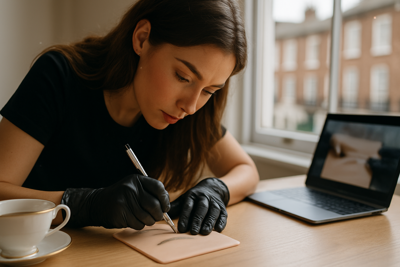
Learn Permanent Makeup from Home with a structured, accredited programme that fits around your life in the United Kingdom. This guide walks you through everything from essential safety principles and the equipment you’ll source locally, to practice tips, common mistakes and how to build your first client portfolio — all from a home training setup.
As a fully accredited CPD and BAQA training institute, Skinart United Kingdom offers an online Permanent Makeup course tailored for motivated learners who want to train remotely. In this step-by-step guide you’ll find practical exercises, UK-specific regulations to consider and a clear pathway to accreditation so you can start offering professional PMU services with confidence.
Written by Gary Erskine, 25 years in permanent makeup education — this article condenses classroom-tested techniques and industry best practice into an at-home training plan that prepares you for real clients, clinics and certification.
Table of Contents
Use these jump links to navigate. We include anchor-linked headings so Google may surface “Jump to” links in search results.
- Why Train to Learn Permanent Makeup from Home?
- Legal, Safety & Infection Control (UK)
- Course Structure: Step-by-Step Roadmap
- Tools, Supplies and What You Need to Buy
- Common Mistakes New PMU Artists Make
- Practice Exercises & Building Skill
- Assessment, Accreditation & Next Steps
- Frequently Asked Questions
- Final Thoughts & How to Get Started
Why Train to Learn Permanent Makeup from Home?
Learning to Learn Permanent Makeup from Home has become a practical route for many UK learners who need flexibility around work, family or location. With high-quality online tuition, guided practical assignments and clear assessment criteria, students can develop the core skills required for microshading, microblading-style techniques and machine-based PMU applications from their own workspace.
Home-based training is particularly useful for those living outside major UK cities — for example, students in regional towns from Cornwall to the Highlands have successfully completed remote PMU training and gone on to build local client bases. Skinart United Kingdom’s accredited online course provides the training framework, practice logs and tutor feedback you need without travelling to a training centre.
Importantly, learning from home still requires the same professional standards as studio training: strict infection control, accurate mapping, and realistic, supervised practice. This guide helps you translate those standards into a home environment in a way that satisfies regulators, clients and accrediting bodies.
Legal, Safety & Infection Control (UK)
Safety and compliance are non-negotiable when you Learn Permanent Makeup from Home. UK regulations around cosmetic tattooing and skin penetration vary between local councils, but the principles are consistent: risk assessment, sharps management, cross-infection control and client consent documentation.
Pros and cons of home-based practical training:
- Pros: Flexible schedule, lower overheads, repeatable practice sessions at home.
- Pros: Tutor feedback via video review and one-to-one remote mentoring.
- Pros: Clear evidence of competence through recorded case studies and practice logs.
- Cons: You must create a clean, dedicated workspace that meets infection control standards.
- Cons: Practical equipment must be purchased separately (Skinart United Kingdom does not supply PMU equipment in the UK).
- Cons: Some councils require registered business premises for client treatments — check your local authority.
Key UK resources to consult as you train at home include NHS guidance on cosmetic procedures and the Health and Safety Executive for safe disposal of sharps and managing bloodborne viruses. Local council environmental health departments in the UK set rules for the registration of premises — contact them early to confirm whether you can operate from home once qualified.
Skinart United Kingdom’s online PMU course teaches UK-appropriate infection control, client paperwork templates and how to prepare a home training workspace that would pass an environmental health inspection.
Course Structure: Step-by-Step Roadmap
The Skinart online Permanent Makeup course is structured so you can Learn Permanent Makeup from Home while building practical evidence of competence. Each module contains video demonstrations, illustrated theory notes, practical assignments and tutor-assessed case studies.
Typical module progression you will follow during home study:
1) Foundations: skin anatomy, colour theory, pigment behaviour and consent. 2) Tools & mapping: measuring faces, eyebrow symmetry and stencils. 3) Practical technique: hand-tool and machine techniques, microblading-style hair strokes and shading. 4) Aftercare & touch-ups: managing healing, client records, and pricing. 5) Assessment: submission of casework and practical video evidence.
- Online theory modules with progressive quizzes.
- Step-by-step video demonstrations filmed in studio conditions.
- Practical assignments for simulated skin and live models.
- Tutor feedback on submitted photos and videos.
- Clear marking criteria aligned with BAQA and CPD Standards Office expectations.
- Written assessments covering infection control, consent and aftercare.
- Final competency sign-off by an accredited tutor.
- Guidance on business setup and client records specific to the UK market.
Tools, Supplies and What You Need to Buy
When you Learn Permanent Makeup from Home you’ll need to source reliable equipment and consumables before practising on models. Skinart United Kingdom does not supply PMU equipment in the UK, so planning your purchases and finding accredited suppliers is an important step.
Below is a practical checklist of items most students will buy before or during their online training. We recommend purchasing from UK-registered suppliers who offer CE marking and clear consumables traceability.
Essential items include the basics for safety, practice and client work:
- Disposable single-use cartridges / needles (correct gauge range for brows and lips)
- Reputable PMU machine (rotary or coil depending on your chosen technique)
- Pigments from a recognised brand with batch information
- Disposable gloves, masks, and aprons (suitable nitrile gloves)
- Sharps bin and clinical waste bags (arranged via local waste contractor)
- Antiseptic and skin prep solutions compatible with PMU pigments
- Measuring tools (calipers, eyebrow rulers) and eyebrow mapping pencils
- Practice skins and synthetic materials for initial technique drills
- High-quality camera or smartphone for documenting practice and casework
- Client consent forms, aftercare leaflets and record-keeping templates
Common Mistakes New PMU Artists Make
- Rushing mapping and symmetry checks — poor mapping causes unsatisfactory client results.
- Using low-quality pigments that fade unpredictably or change tone during healing.
- Skipping practice on synthetic skins before moving to live models.
- Failing to maintain a consistent needle angle and speed, producing uneven strokes.
- Inadequate documentation of client consent and medical history.
- Improper disposal of waste and sharps — risking contamination and regulatory breaches.
- Overworking the skin (going too deep) leading to scarring and poor retention.
- Poor aftercare instructions causing infection or pigment loss.
- Not photographing work consistently for tutor assessment or portfolio building.
- Neglecting to verify local council rules for home-based treatment services.
These mistakes are common, but all are avoidable with a disciplined practice plan and regular tutor feedback. Skinart’s online assignments emphasise mapping, stroke consistency and photographic evidence so you and your tutor can identify and correct issues early.
In your home workspace, implement a standard checklist before each practice or client session: clean surface, fresh gloves, sterile consumables, camera ready, client consent signed and sharps bin in reach. Developing a routine reduces errors and builds professional habits.
Practice Exercises & Building Skill
Practice is the bridge between theory and client work when you Learn Permanent Makeup from Home. The right drills help you develop hand stability, pigment placement depth and visual judgment of tone and symmetry.
Start with controlled short sessions that focus on one skill at a time: mapping, hair strokes, shading, and blending. Keep a practice log with photos and short notes — this log forms part of your assessment portfolio.
Here are structured exercises recommended for home training. Complete them in sequence and submit evidence to your tutor for feedback.
- Practice straight-line strokes on synthetic skin for 10 minutes daily to improve hand stability.
- Draw repeated hair-stroke patterns with varying pressure to learn pigment depth control.
- Map 10 different eyebrow shapes using calipers and facial landmarks on friends or family (with consent).
- Perform shading gradients on practice skins to understand plug selection and needle grouping.
- Simulate a full brow procedure twice, documenting time taken and photographic steps.
- Complete two lip shading exercises, noting colour change after simulated healing techniques.
- Record and submit a 3–5 minute video explaining your technique and safety checks for tutor review.
- Create three client case studies with before-and-after photos and signed consent forms (models must be adults and consent knowingly).
- Practice sterile field setup and breakdown until it becomes a consistent routine.
- Undertake a mock consultation and consent roleplay to refine your client-facing communication.
Assessment, Accreditation & Next Steps
When you complete your home-based modules you will submit practical casework and recorded evidence for assessment. Skinart United Kingdom’s online Permanent Makeup course aligns its assessment criteria with CPD Standards Office and BAQA expectations to support professional recognition across the UK.
After tutor review, successful students receive accredited confirmation and a detailed feedback report. You can then progress to offering treatments within the boundaries of your local authority and business registration requirements.
- Submission of practice logs and photographed casework for marking.
- Video evidence of full procedures for technique verification.
- Written assessment of infection control and aftercare knowledge.
- Tutor sign-off which confirms competency for client work.
- Certificate issued on successful completion, accredited by CPD Standards and aligned with BAQA guidance.
- Guidance on registering as a practitioner and meeting local council rules.
- Support materials for writing service menus, pricing and consent forms.
- Referral to industry networks and recommended continuing professional development.
Many Skinart students use the certificate to apply for local liability insurance and to advertise professional PMU services. Remember to confirm with your insurer what qualifications they require and whether home-based treatments are covered in your area.
Voices from the Industry
To emphasise the importance of training standards, here is a statement summarising professional expectations:
“Proper training, rigorous infection control and clear client communication are essential for safe permanent makeup practice. Accredited online courses that include practical assessment and tutor sign-off provide a reliable route for home-based learners to become professional practitioners.” — CPD Standards aligned training statement
Skinart tutors echo this and include structured checklists and tutor-led reviews to make sure home training meets the same standards as studio programmes.
- Follow the checklist: setup, consent, procedure, aftercare, documentation.
- Use tutor feedback to refine technique rather than rushing to client procedures.
- Keep audit-ready records to show compliance during inspections or insurance queries.
UK Success Stories: From Home Learner to Professional
Several Skinart students in the UK started at kitchen tables and are now running busy appointment books. One graduate from Norwich completed all practical assignments at home, submitted video evidence and built a local client base through targeted social media and community marketing.
Another student from Liverpool completed the online course while working part-time and now offers home salon appointments from a converted spare room meeting local regulation requirements. These examples show that with accreditation, clear records and good tutor feedback, home-based learning can transition into a professional practice.
When you Learn Permanent Makeup from Home with Skinart United Kingdom, your pathway to success includes practical mentoring, accreditation and advice on how to operate ethically within your local council rules.
- Start with structured practice and clear evidence collection.
- Use social proof — client testimonials and case photos — to attract bookings.
- Register with a professional association for credibility.
- Ensure business insurance covers your planned home-based practice.
Helpful Resources & Further Reading
Below are authoritative resources to consult while you Learn Permanent Makeup from Home. They cover general cosmetic procedure advice and health & safety guidance relevant across the UK.
- NHS: Cosmetic Procedures overview — background for clients and practitioners.
- Health and Safety Executive — guidance on sharps and safe disposal.
- CPD Standards Office and BAQA — accreditation and professional standards referenced in your course materials.
- Local council environmental health departments — check local rules for home-based treatments.
Using these sources alongside your course materials will sharpen your compliance and help you present a professional service to clients in the United Kingdom.
Frequently Asked Questions
Can I learn permanent makeup from home and still get accredited?
Yes. Accredited online courses like Skinart United Kingdom’s combine theory, video demonstrations and tutor-assessed practical submissions so you can be accredited while training from home. Accreditation depends on meeting the assessment criteria, not on where you studied.
Do I need a special room at home to practise PMU?
You should set aside a dedicated, clean area with a separate workspace that allows for a sterile procedure setup. Many local councils require specific conditions for client treatments, so check environmental health guidance for your local authority.
Will the course provide equipment for home practice?
No. Skinart United Kingdom does not supply permanent makeup equipment in the UK. The course includes detailed lists of recommended equipment and reputable suppliers but you will need to purchase consumables and devices independently.
How long does it take to become competent?
Time to competency varies by individual. Many students progress to client work within a few months of focused practice and tutor feedback, but the key is consistent, assessed practice rather than a fixed duration.
Are there UK-specific regulations I must follow?
Yes. While training materials cover universal safety standards, you should also consult your local council and the HSE for specific rules on waste disposal, sharps bins and whether your local authority allows home-based client treatments.
Final Thoughts: Take the First Step
Learning to Learn Permanent Makeup from Home is a realistic and effective option for many aspiring PMU artists in the United Kingdom. With the right structure, accredited curriculum and dedicated practice, you can build the technical and professional skills required to launch your practice safely and confidently.
Remember: accreditation, meticulous record-keeping and adherence to UK safety standards are what will set you apart. Skinart United Kingdom’s online PMU course provides the accredited learning pathway, tutor support and assessment framework to make your at-home training robust and industry-respected.
When you’re ready, take the practical step to enrol — gather your supplies, set up a study schedule and begin the skill-building exercises in this guide.
Ready to Learn Permanent Makeup from Home?
Join the Skinart United Kingdom accredited online Permanent Makeup course and start practising with tutor support designed for home learners. Accredited by the CPD Standards Office and aligned with BAQA.
Recent Blog Posts
- Studio Etiquette Update: Professionalism in 2026
 Workplace Etiquette for Body Art Studios Refresh your studio etiquette and build a reputation for professionalism with these up-to-date best practices.… Read More »Studio Etiquette Update: Professionalism in 2026
 - 🌙 Eid Mubarak: Celebrate with 5% Off in 2026!
 Eid Savings: 5% Off All Courses Celebrate Eid with a special offer: 5% off any course. Use code EID5 at checkout.… Read More »🌙 Eid Mubarak: Celebrate with 5% Off in 2026!
 - Top Mistakes New Body Artists Should Avoid (2026)
 Stay Ahead: Common Pitfalls for New Artists Read up on the most frequent errors new body artists make, and how to… Read More »Top Mistakes New Body Artists Should Avoid (2026)