Permanent Makeup Portfolio Tips for Beginners
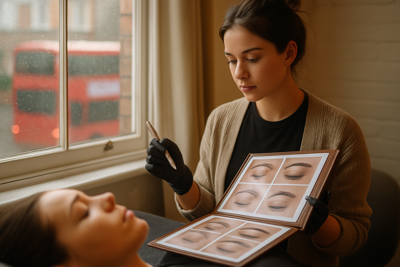
Welcome — if you’re just starting out in Permanent Makeup and wondering how to build a portfolio that attracts clients and builds trust, you’re in the right place. In this guide we’ll cover practical, step‑by‑step Permanent Makeup Portfolio Tips for Beginners designed specifically for artists working in the United Kingdom.
Your portfolio is more than a gallery of images: it’s a professional statement. With the right photos, documentation and presentation you can demonstrate technical skill, client safety awareness, and artistic sensibility — all essential when competing in the UK market. These tips are tailored for beginners and are grounded in industry standards and accreditation expectations.
Written by Gary Erskine, 25 years in Permanent Makeup education. Gary has trained thousands of students worldwide and authored our Permanent Makeup curriculum for Skinart United Kingdom. The guidance below reflects real classroom experience, client consultations in the UK, and best practice from CPD and BAQA-aligned training.
Table of Contents
- Overview: What a PMU Portfolio Must Show
- Planning and Organisation
- Photography: Lighting, Angles, Equipment
- Common Portfolio Mistakes to Avoid
- Presenting Your Work Online and In-Person
- Client Consent, Before & After Photos, and Records
- Accreditation and UK Legal Notes
- FAQ: Permanent Makeup Portfolio Tips for Beginners
- Final Thoughts & Next Steps
Overview: What a PMU Portfolio Must Show
At its core, a Permanent Makeup portfolio must communicate three things: technical competence, consistent aesthetic judgement, and a strong approach to client safety and aftercare. For beginners, those elements are what prospective clients and employers will scan for first. Throughout this article we’ll show how to document each of these areas using reliable photography, clear labelling and smart presentation.
Technical competence means your photos clearly show pigment placement, shading gradients, natural feathering for brows, crisp lining for lips and healed results where possible. Don’t rely on close-ups alone — include an overall view so clients can see how your work sits within real proportions.
Consistency is about style and story. If you are developing a signature approach to microblading, ombré brows or lip blush, your portfolio should group similar looks together so viewers can quickly understand your strengths. For beginners, small, focused galleries are better than one large, mixed collection of random procedures.
Planning and Organisation: Building a Portfolio System
Start with a simple workflow for capturing, naming and storing images. Consistent filenames, client IDs and dates will save hours later when updating your website or preparing a consultation. The keyword Permanent Makeup Portfolio Tips for Beginners should guide your priorities: accurate images, clear context and honest representation of healed results.
- Pros: Brings clarity to your presentation; easier to demonstrate progress and improvement.
- Cons: Requires discipline and a little time after each treatment to capture proper photos.
Begin by setting a standard shot list you perform for every client: full-face frontal, 45-degree left and right, close-up of treated area, and healed shot at 6–8 weeks when possible. Even for practice models, follow the same process so every entry in your portfolio looks professional and comparable.
Use a simple naming convention such as YYYYMMDD_ClientInitial_Procedure (for example 20250910_JD_brows). Store originals in a secure folder and create web-optimised copies for your online gallery. For confidentiality, respect client privacy and always use consent forms for public sharing — we’ll cover consent later in this article.
Photography: Lighting, Angles and Practical Photo Tips
Great portfolio images set you apart. You don’t need professional studio gear to produce clear, honest photos — you need a plan. Below are practical photography tips tailored for Permanent Makeup Portfolio Tips for Beginners, focusing on affordable approaches that work in a UK home studio or rented treatment room.
Lighting is the single most important factor. Soft, natural daylight from a large window is ideal; position the client so light falls evenly on the face. If daylight isn’t available, invest in a ring light or two softbox lights. Avoid overhead light that casts harsh shadows; a simple diffuser can dramatically improve results.
Backgrounds should be neutral and uncluttered. A plain, mid-tone backdrop (soft grey or beige) keeps focus on the treatment area and avoids unwanted colour casts. Keep the same background across sessions when building a themed gallery to emphasise consistency.
- Use a tripod or steady surface to avoid blur — even small movement reduces perceived sharpness.
- Shoot at eye level for brows and lips for a natural perspective; tilt only for creative before/after comparisons.
- Capture a set of standard angles: frontal, three-quarter, profile and close-up detail shots.
- Include both immediate post-treatment and healed shots where possible — label them clearly in captions.
- Use the same camera settings when possible; on smartphones, select the highest resolution and lock focus/exposure.
- Avoid excessive filters or heavy retouching; clients and regulatory bodies expect honest representation.
- Consider using a colour-calibration card in shots to preserve accurate skin and pigment tones.
- Keep client jewellery and makeup consistent across before/after to avoid distracting differences.
- Maintain GDPR-compliant storage for original photos and a separate set of images for online display if requested.
For beginners, practising with a volunteer model or mannequin is helpful to master each shot. When you transition to paid clients, keep logs of lighting setups and camera settings for repeatability. Over time, a consistent photo style becomes part of your brand.
Common Portfolio Mistakes to Avoid
- Using heavy filters or unrealistic retouching that misrepresents healed results.
- Publishing only dramatic “best-case” photos without showing typical healed outcomes.
- Poorly labelled images that omit the procedure, date or whether the photo is immediate or healed.
- Inconsistent backgrounds and lighting that make your portfolio look unprofessional.
- Not obtaining and storing signed consent forms for online publication.
- Including identifiable client data in filenames or captions without consent (GDPR risk).
- Showing images with distracting elements — jewellery, makeup, hair — that mask the work.
- Mixing too many styles in one gallery — e.g., ombré brows and heavy tattoo-style brows — which confuses prospective clients.
- Displaying low-resolution images that appear pixelated on desktops or mobile devices.
- Failing to show healed photos; immediate post-treatment shots alone give an incomplete picture.
These mistakes are common among beginners but easy to correct with a little planning. For instance, set up a single photo corner in your workspace and standardise how you prepare clients for photos. Always get consent and explain how the images will be used in marketing or training.
Remember: honesty builds long-term trust. A portfolio that accurately shows the scope of your work, including healed results and realistic pigmentation, will attract the right clients and protect you from complaints or misunderstandings.
Presenting Your Work Online and In-Person
How you present your portfolio matters as much as the work itself. Today, most UK clients will first see you online, through Instagram, a website, or a listings platform. Make every touchpoint consistent and easy to navigate, with clear procedure labels, short treatment descriptions and aftercare notes.
For in-person consultations, bring printed or tablet-based galleries that mirror your online portfolio. Use clear folders for before/after sequences — prospective clients appreciate the ability to flip through carefully labelled cases and ask about the healing process.
- Create galleries on your website by procedure (e.g., microblading, ombré, lip blush).
- Use captions to explain whether the photo is immediate post-op or healed at X weeks.
- Include short client notes where relevant (skin type, touch-up advice) while keeping identities private.
- Embed short case studies that show consultation to healed result, explaining challenges and solutions.
- Keep social media galleries curated — avoid posting everything; maintain a “best of” selection.
- Have a contact and booking CTA on every page so interested clients can enquire immediately.
- Show accreditation badges (CPD, BAQA) on your site to reassure UK clients about training and standards.
Presentation builds confidence. A neat, honest and approachable portfolio supports client decision-making and reduces the risk of unrealistic expectations. As you develop your style, your portfolio will evolve — treat it as a living document that showcases improvement over time.
Client Consent, Before & After Photos and Record-Keeping
Client consent and records are not optional — they are part of professional practice, and they protect you and your clients. Before taking photographs for your portfolio, always obtain signed consent that specifies how the images may be used (website, social media, training).
Keep a clearly organised paper or digital client record for each treatment that includes consent, treatment details, pigments used, and aftercare guidance. These records are invaluable if a client has questions or if you need to reference a previous procedure when planning a touch-up.
“Clear documentation and client consent are fundamental to safe practice,” says an industry officer at a recognised UK training body. “Portfolios should always prioritise accuracy and client privacy.”
- Use a written consent form for photography and social sharing — include checkboxes for each use.
- Label every photo with the date and whether it’s ‘immediate’ or ‘healed’.
- Store signed consent forms securely in line with GDPR obligations.
- Keep treatment notes that record pigments, machine settings and any topical anaesthetics used.
- Obtain parental or guardian consent for clients under 18 where local laws permit; verify age before treatment.
These steps are especially important in the UK where consumer protection and data privacy are taken seriously. A well‑documented portfolio signals professionalism to clients and regulators alike.
Accreditation and UK Legal Notes
Clients in the United Kingdom often look for assurance that their practitioner has recognised training and follows safety standards. Skinart United Kingdom’s Permanent Makeup courses are fully accredited with the CPD Standards Office and the Body Art Qualification Association (BAQA), which you can reference on your site and in your portfolio to reassure clients.
Accreditation badges and short notes about your training help clients understand your qualifications, but don’t overclaim: state the award, year and the awarding body succinctly. If you trained with Skinart’s online Permanent Makeup course, link to the course page for full course details and accreditation information.
For more information on professional standards and continuing professional development in the UK, consult the CPD Standards Office or BAQA — both provide guidance that complements your practical training and portfolio standards.
Helpful links: CPD Standards Office — https://cpduk.co.uk and BAQA — https://baqa.org.uk (use these pages for reference and to build trust on your booking pages).
Presentation Tips: Captions, Sequencing and Case Studies
Captions are often undervalued. A short caption that notes the client’s skin type, treatment performed and healing timeframe gives useful context. For example: “Microblading, Fitzpatrick II/III, immediate post-op and 8-week healed result.” These small details help clients set expectations.
Sequence photos in a consistent order: before, immediately after, and healed. When you have a case with notable challenge — such as prior tattoo revision or uneven brows — create a short case study that describes the problem, your approach and the outcome. Case studies demonstrate problem-solving and clinical judgement.
- Keep captions concise and factual.
- Use bullets for key clinical notes in case studies (e.g., patch test result, pigment used, and aftercare provided).
- When possible, provide a healed time reference (e.g., “healed 8 weeks”) rather than vague terms like “healed”.
- For social platforms, create a “highlights” story or pinned post that leads viewers to full case studies on your website.
These small presentation details elevate a beginner’s portfolio into a compelling professional resource. They reduce client hesitation and show you understand both aesthetic outcomes and client safety.
FAQ: Permanent Makeup Portfolio Tips for Beginners
How do beginners build a PMU portfolio with limited client work?
Start with practice models and friends, document every step, and be transparent about which images are practice and which are professional cases. Use clear captions and focus on lighting and consistency to make early work look professional.
What photos are essential for before/after comparisons?
Essential shots include full‑face frontal, 45° left and right, and close‑up of the treated area. Capture immediate post-treatment and healed photos (e.g., 6–8 weeks) and label them clearly.
How should I handle client consent for portfolio images in the UK?
Use a written consent form that specifies how photos will be used, store the signed consent securely and ensure any published images respect GDPR obligations. If a client withdraws consent, remove images promptly.
Should I retouch or filter my PMU photos?
Minor exposure or cropping corrections are acceptable, but avoid heavy filters or alterations that misrepresent healed results. Honesty in representation maintains trust and reduces complaints.
How often should I update my portfolio?
Update your portfolio every 3–6 months as you complete new work and collect healed photos. Regular updates demonstrate progress and keep your online presence fresh for UK clients.
Final Thoughts: Your Portfolio as a Professional Tool
Building a professional Permanent Makeup portfolio takes intention, time and a commitment to accurate representation. For beginners, focus on consistent photography, clear consent and simple case studies that demonstrate not only results but your approach to client care. These Permanent Makeup Portfolio Tips for Beginners will help you stand out in the UK market and attract clients who value professionalism.
Skinart United Kingdom’s online Permanent Makeup course is designed to teach the technical and professional skills you need — from needle technique to documentation and portfolio development. If you’re serious about launching a credible PMU career, structured training and accredited certification make a tangible difference to client trust and business development.
Take one step at a time: standardise your photo routine, create a small but honest gallery, collect healed photos and always prioritise consent and safety. Over time, your portfolio will become your most effective marketing asset.
Ready to Build a Professional Portfolio?
Recent Blog Posts
- Studio Etiquette Update: Professionalism in 2026
 Workplace Etiquette for Body Art Studios Refresh your studio etiquette and build a reputation for professionalism with these up-to-date best practices.… Read More »Studio Etiquette Update: Professionalism in 2026
 - 🌙 Eid Mubarak: Celebrate with 5% Off in 2026!
 Eid Savings: 5% Off All Courses Celebrate Eid with a special offer: 5% off any course. Use code EID5 at checkout.… Read More »🌙 Eid Mubarak: Celebrate with 5% Off in 2026!
 - Top Mistakes New Body Artists Should Avoid (2026)
 Stay Ahead: Common Pitfalls for New Artists Read up on the most frequent errors new body artists make, and how to… Read More »Top Mistakes New Body Artists Should Avoid (2026)