Permanent Makeup Trends 2025: What’s Popular Now
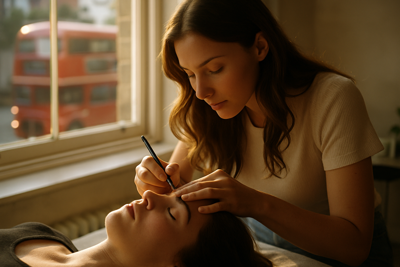
Permanent Makeup Trends 2025 are reshaping how people in the United Kingdom think about beauty, simplicity and natural enhancement. From microblading refinement to restorative scalp micropigmentation, this year’s wave places a premium on softer, more personalised results that work with individual skin types and lifestyles.
For professionals and newcomers alike, understanding the major Permanent Makeup Trends 2025 is essential to stay competitive. Whether you’re a salon owner in Manchester, a cosmetic specialist in Edinburgh, or considering training in London, knowing what clients want will help you plan services, marketing and skills development.
In this guide we’ll walk through the techniques, safety and business trends that matter in 2025. We’ll also explain how training with Skinart United Kingdom can equip you to offer the most in-demand treatments professionally and safely.
Written by Gary Erskine, 25 years in Permanent Makeup education and hands-on training across the UK and internationally.
Table of Contents
Jump to a section — anchor links improve navigation and can show “Jump to” in search results.
Overview: What’s driving Permanent Makeup Trends 2025
Permanent Makeup Trends 2025 are rooted in three big drivers: a continuing desire for realistic, low-maintenance beauty; advances in pigment technology and machine control; and tighter attention to safety and regulation across the UK. Consumers want natural-looking results that fit busy lives, and technicians are answering with subtler, layered approaches rather than bold, one-shot treatments.
Another major influence is social media and professional content: clients see high-quality, close-up photos and increasingly ask for softer textures, healed looks and treatments that age gracefully. That’s led to a shift away from heavy saturation styles towards feathered, hair-stroke and micro-shading combinations that mimic natural features.
For practitioners this means focusing on colour theory for different skin tones, understanding healed outcomes, and offering bespoke consultations. If you’re training in Permanent Makeup in the United Kingdom, mastering these fundamentals will make your services immediately more attractive to clients in 2025.
Techniques & Styles Leading 2025
2025 is the year of hybrid approaches. Microblading remains a foundation for hair-stroke brows, but it’s frequently combined with soft shading and nano-needling to create dimension and longevity. These hybrid techniques reduce the stark contrast of older PMU looks and give a more natural, three-dimensional result.
Another notable trend is “skin-friendly” pigment choices and adaptive layering. Technicians plan staged sessions with lighter initial saturation, followed by tailored top-ups. The result is controlled colour retention and minimal risk of unwanted tones over time.
Eyebrows are not the only focus. Lip blushing has moved from bright, overfilled blocks to soft ombré and tone-correcting blushes that enhance natural lip colour without being overpowering. Eyeliner trends lean towards ultra-thin, lash-enhancement lines and smudged-retro looks for a subtle lash-root boost.
- Hybrids: microblading + microshading for natural depth
- Feathered hair strokes with refined needle control
- Soft ombré lips and neutral tone correction
- Scalp micropigmentation (SMP) with realistic follicle replication
- Lash enhancement and thin eyeliner techniques
- Paramedical blending for scar and alopecia camouflage
- Adaptive pigment protocols for different Fitzpatrick skin types
- Layered session planning to predict healed colour
As these styles become mainstream, training must emphasise healed results rather than immediate post-procedure photographs. At Skinart United Kingdom, our online Permanent Makeup course focuses on the decision-making that leads to consistently natural outcomes.
Who’s booking PMU in 2025?
Demand is broadening. While women in their 30s–50s remain a core client group, there’s growth among younger clients seeking very subtle enhancements and older clients seeking restorative work such as scalp micropigmentation or areola reconstruction. Men are also a rising segment for SMP and microshading for eyebrows.
- Clients seeking low-maintenance everyday looks
- People with hair loss or medical scarring requesting camouflage
- Clients prioritising natural ageing and subtle enhancement
- Younger clients wanting very light, correctives-only PMU
- Male clients for SMP and natural eyebrow shaping
- Those seeking corrective colour work or tone neutralisation
- Clients requesting bespoke, staged treatment plans
- Existing salon clients upgrading to long-lasting options
Understanding this variety helps you craft packages that meet each client’s expectations. For example, a staged lip-blush package or SMP course of treatment can be marketed to different age groups with different messaging and pricing.
If you train with Skinart United Kingdom’s Permanent Makeup course, you’ll learn how to consult across these demographic groups and tailor treatment plans that convert enquiries into loyal clients.
Common Mistakes to Avoid
- Over-saturating pigment in the first session
- Ignoring the client’s skin type and undertone
- Skipping a detailed consultation and photographic plan
- Using the wrong needle configuration for delicate areas
- Poor patch testing or allergy discussion
- Inadequate infection-control practices or aftercare advice
- Failing to set realistic healed expectations
- Neglecting follow-up adjustments and documentation
Each of these mistakes can result in poor healed results, unhappy clients, and reputational damage. For instance, over-saturation often causes pigment to heal too dark or to migrate, creating blocky or unnatural-looking colour over time.
Proper client selection, conservative initial saturation, and documented consent minimise these risks. Our training emphasises decision-making and the small technical habits that prevent bigger problems later on.
Regulation, Safety & Aftercare
Regulation in the UK is steadily tightening. Clinics and technicians should expect greater scrutiny around consent, infection control, sharps handling and medical history checks. This is good for the industry because it raises standards and client confidence.
- Comprehensive consultation, consent and photographic records
- Patch tests when indicated and thorough medical histories
- Strict single-use needle and cartridge protocols
- High-standard sterilisation and PPE procedures
- Clear, evidence-based aftercare instructions
- Understanding of contraindications and referral pathways
- Accurate record keeping and follow-up scheduling
- CPD and formal qualifications to demonstrate competency
Industry organisations such as the Joint Council for Cosmetic Practitioners advocate clear record keeping and client safety. At Skinart United Kingdom our Permanent Makeup course covers the practical infection control measures and documentation you need to meet UK expectations and to protect your business.
Training, Qualifications & Career Paths
As Permanent Makeup Trends 2025 evolve, so do the skills required to deliver them. Accredited training gives you the technical foundation and the required documentation that clients and regulators expect. Skinart United Kingdom offers an accredited online Permanent Makeup course with CPD and BAQA recognition, focused on modern techniques and safety protocols.
Our course covers colour theory, needle choice, skin typing, aftercare and business basics like pricing and client management. It’s designed for those who want to start offering PMU professionally without in-person equipment supplied by Skinart — technicians in the UK source their own devices and consumables locally.
Completing accredited training also helps you market your services with confidence. Many UK clinics prefer technicians who can demonstrate recognised qualifications and understood standards of practice.
- Accredited CPD curriculum aligned to BAQA standards
- Focus on healed outcomes and client communication
- Modules on consent, documentation and legal basics
- Business planning, pricing and local marketing advice
- Support on client aftercare and follow-up
- Parts of the course available online for flexible study
Local UK Trends & Success Stories
Across the United Kingdom, clinics in cities like London, Manchester and Glasgow are reporting a steady rise in clients asking for natural, time-saving enhancements. Many Skinart United Kingdom graduates have used our training to expand their service lists and attract higher-value bookings.
One recurring theme we see: clients who previously avoided PMU because of fear of heavy, artificial results are now booking after seeing healed, subtle transformations shared by reputable studios. Word-of-mouth in local Facebook groups and targeted Instagram reels have helped responsible studios build strong local reputations.
For UK practitioners, local compliance and high-quality before-and-after documentation are essential. We coach students on how to present healed work and manage client expectations in a British market that values safety and discretion.
Troubleshooting, Client Communication & Pricing
Given how subtle 2025 looks are, effective pre-treatment communication is vital. Clients must understand staged sessions, possible fading and the timelines for healed colours. Accurate price structuring that includes top-ups and corrective sessions will protect your margins and avoid disputes.
Technically, assessment of skin elasticity, healing tendencies and previous cosmetic history determines the approach and cost. Charge appropriately for corrective work, medical camouflage, or SMP packages—these services require advanced skill and longer appointment times.
- Clear staged pricing for initial and follow-up sessions
- Written aftercare and realistic healed imagery during consultation
- Policies for cancellations, refunds and corrective work
- Record-keeping templates to document skin reaction and progress
- Transparent discussion of potential touch-ups and maintenance
- Using deposits to reduce no-shows and secure bookings
- Setting realistic timelines: initial session, 6–12 week top-up
- Referral networks for medical contraindications
These commercial practices are part of the professional approach clients expect. Skinart United Kingdom’s course includes business modules that show how to package services and set client-friendly yet profitable pricing.
Career Opportunities & Earning Potential
With the growth in demand for tasteful, well-executed PMU, experienced technicians can command premium fees—especially for corrective work, SMP and restorative procedures. Independent practitioners often earn more per hour than many salon services because of the concentration of skill and the extended appointment times.
Other career paths include working with medical clinics for paramedical micropigmentation (e.g., areola reconstruction), joining established aesthetics clinics, or offering mobile services in carefully managed setups. Each path requires different insurance and compliance considerations in the UK.
Our Permanent Makeup course gives students a realistic view of how to build bookings, set prices and create a sustainable client base. We emphasise strong documentation and aftercare to protect your reputation and increase repeat business.
- Premium one-off procedures like SMP and corrective PMU
- Package pricing for staged treatments
- Medical micropigmentation collaborations with clinics
- Freelance mobile PMU with compliant practice setup
- Salon partnerships offering PMU as a premium add-on
- Teaching, mentoring, and future kit brand partnerships
Frequently Asked Questions
Q: What are the top Permanent Makeup Trends 2025 I should learn as a new technician?
A: Learn hybrid microblading/microshading, soft ombré lip techniques, scalp micropigmentation basics and tone-correcting colour theory. Focus on healed outcomes and staged session planning rather than immediate post-procedure appearance.
Q: How long does it take to see healed results and when should top-ups be scheduled?
A: Healed results typically stabilise around 6–12 weeks. Most practitioners recommend a 6–12 week touch-up for initial colour adjustment; longer-term maintenance varies by treatment and skin type.
Q: Are there special considerations for different skin tones in 2025 trends?
A: Yes. Modern pigment selection and layering protocols are essential for avoiding unwanted tones on darker Fitzpatrick skin types. Training emphasises adaptive pigment choices and test patching to predict healed shades accurately.
Q: Can I train online with Skinart United Kingdom and offer PMU in the UK?
A: Yes. Skinart United Kingdom offers an accredited online Permanent Makeup course that covers the technical, safety and business knowledge you need to launch PMU services in the UK. Note that Skinart does not supply equipment in the United Kingdom; trainees source their own devices and consumables locally.
Q: What safety standards should UK practitioners follow in 2025?
A: Follow robust infection-control protocols, detailed consultation and consent processes, appropriate PPE and sharps disposal. Keep records and CPD evidence to demonstrate ongoing competence and compliance with local guidance.
Final thoughts & next steps
Permanent Makeup Trends 2025 point to a future where subtlety, safety and personalised planning define success. Whether you are starting out or updating your skills, investing time in the right training and focusing on healed outcomes will set you apart in the UK market.
Skinart United Kingdom’s online Permanent Makeup course is designed to give you the theory and practical understanding required to work confidently with modern styles, meet regulatory expectations and build a profitable service offering.
Take the next step: learn the techniques clients want, build strong professional standards, and grow a sustainable career in PMU.
Recent Blog Posts
- Studio Etiquette Update: Professionalism in 2026
 Workplace Etiquette for Body Art Studios Refresh your studio etiquette and build a reputation for professionalism with these up-to-date best practices.… Read More »Studio Etiquette Update: Professionalism in 2026
 - 🌙 Eid Mubarak: Celebrate with 5% Off in 2026!
 Eid Savings: 5% Off All Courses Celebrate Eid with a special offer: 5% off any course. Use code EID5 at checkout.… Read More »🌙 Eid Mubarak: Celebrate with 5% Off in 2026!
 - Top Mistakes New Body Artists Should Avoid (2026)
 Stay Ahead: Common Pitfalls for New Artists Read up on the most frequent errors new body artists make, and how to… Read More »Top Mistakes New Body Artists Should Avoid (2026)