How to Start a Mobile Piercing Business
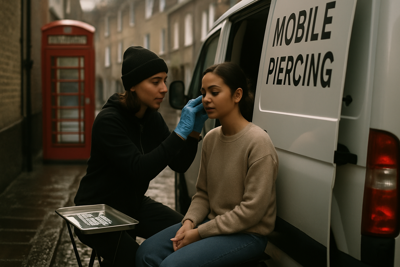
Starting a Mobile Piercing Business in the United Kingdom is an increasingly popular way for professional piercers to broaden their client base, increase flexibility, and build a brand without the overheads of a fixed studio. Whether you want to service private parties, collaborate with tattoo studios, or offer pop-up services at events, understanding the practical, legal and customer-care aspects is essential before taking bookings.
This guide walks you through step-by-step planning: from licensing and infection-control to equipment, pricing and marketing. Skinart United Kingdom’s online Piercing course (accredited by the CPD Standards Office and BAQA) is designed to pair perfectly with the operational advice below — giving you the technical confidence and the business sense needed to launch and grow a successful Mobile Piercing Business.
Written by Gary Erskine, 25 years in Mobile Piercing Business education — this article combines industry best practice, UK-specific legal considerations and real-world tips from mobile piercers across London, Manchester and Glasgow.
Table of Contents
Use the links below to jump to specific sections — these semantic anchors help you quickly find the information you need and can generate “Jump to” links in search results.
Planning your Mobile Piercing Business
Before you buy kit or announce openings, create a solid plan. A Mobile Piercing Business needs the same foundations as a studio: defined services, clear pricing, robust health and safety procedures and a route to clients. Many successful mobile piercers in the UK begin by offering a small, focused menu — for example, ear and nose piercings for private bookings — then expand once workflows are refined.
Map out logistics: how you’ll travel between locations, how appointments will be scheduled, and where you’ll set up a sterile working area at a client’s home or event. Consider travel time and a minimum booking fee to make mobile bookings commercially viable in towns across the UK where parking and transit vary.
Financial forecasting is crucial. Estimate one-off start-up costs (insurance, portable sterilisation, marketing) and monthly running costs (insurance renewal, consumables, travel). Your plan should also include a contingency for cancellations and no-shows; many mobile piercers charge a non-refundable deposit to protect their schedule.
Legal and safety requirements
Operating legally and safely is non-negotiable for a Mobile Piercing Business in the UK. Local councils are responsible for environmental health oversight of body modification services; you must follow their guidance and ensure your infection control systems meet or exceed local standards.
- Pros — Flexibility to serve more clients, lower overheads than a full studio, attractive for private bookings and events.
- Cons — Higher travel logistics, need for very strict portable sterilisation and waste disposal arrangements, variable working conditions at clients’ locations.
Key legal steps include registering with your local authority if required, keeping thorough client records, gaining consent (especially for minors), and understanding the law around piercing age restrictions. Public liability and professional indemnity insurance are essential — and many insurers will require documented training and CPD accreditation before offering coverage.
Skinart United Kingdom’s online Piercing course is accredited by the CPD Standards Office and BAQA; completing accredited training makes you far more likely to secure compliant insurance and pass environmental health checks. Remember: Skinart UK does not provide in-person training for piercing in the United Kingdom — our course is fully online and tailored to UK regulations.
Equipment and setup for a mobile service
Creating a portable, sterile workstation is the cornerstone of a safe Mobile Piercing Business. Unlike a studio where surfaces and plumbing are fixed, mobile practitioners must be able to set up and pack down efficiently while ensuring sterility and client comfort.
Skinart’s online Piercing course covers aseptic technique, anatomy, aftercare and client communication — all of which you’ll need to demonstrate to clients and insurers. Note: Skinart United Kingdom does not supply piercing equipment as part of the course; practitioners should source approved, single-use consumables and professional-grade tools from reputable UK suppliers.
When assembling kit, aim for redundancy in critical items (e.g., two sealed sterile drapes, extra gloves, and a spare light source) so a simple equipment fault doesn’t force you to cancel a booked appointment, damaging your reputation.
- Single-use sterile needles and jewellery (pre-sterilised; source from UK-compliant suppliers)
- Disposable gloves (nitrile) in multiple sizes
- Antiseptic skin prep solutions approved for piercings
- Portable sharps container (UK-compliant and labelled)
- Biohazard waste bags and a plan for secure disposal
- Disposable drapes and sterile field setup items
- Portable, bright, adjustable LED lamp for precise work
- Re-sheathable forceps and sterile storage trays (as required)
- Client consent forms, aftercare leaflets and pen
- Cleaning wipes, hand sanitiser and backup PPE
- Portable card machine or payment link setup for on-site payments
Common mistakes mobile piercers make
- Not carrying properly labelled sharps and biohazard containers for secure transportation and disposal.
- Failing to obtain written consent or inadequate age verification for minors.
- Relying on poor lighting or unsuitable seating when performing precise work.
- Underestimating travel time and arriving rushed, which can compromise aseptic technique.
- Charging too little for the added time and logistical complexity of mobile bookings.
- Not documenting the client’s baseline condition or pre-existing medical issues.
- Using jewellery or consumables not certified for piercing use, risking infection or migration.
- Insufficient aftercare information, leading to preventable complications and poor reviews.
- Not having a contingency plan for emergencies or adverse reactions during a visit.
- Poor record-keeping, which complicates insurance claims or health inspections.
Each of these mistakes can be mitigated by clear checklists and standard operating procedures for every appointment. A pre-appointment checklist should be mandatory: kit check, consent paperwork, travel/parking confirmation and a quick risk assessment of the client location.
From a business perspective, avoid underpricing. Mobile services should factor in travel, setup time and additional consumable costs. Clients expect convenience, and they will pay a fair premium — particularly in urban centres like London, Edinburgh or Cardiff where on-site services save time and provide privacy.
Pricing, marketing and finding clients
Pricing a Mobile Piercing Business can be tricky at first. Your fee model should reflect skill level, consumable costs, travel time and demand. Many mobile piercers adopt a base service fee plus a travel surcharge or kilometre-based fee for locations outside their usual radius.
Marketing for mobile piercing works best when combined: local social media groups, partnerships with tattoo studios or event organisers, and listings on local service directories. High-quality images, clear aftercare guidance and client testimonials will outperform generic ads. Consider offering introductory pop-up sessions in a co-working studio or at a lifestyle market to build a local portfolio and collect reviews.
- Set a clear base price and a transparent travel surcharge.
- Offer package deals for small group bookings (e.g., bridal parties, hen nights).
- Use Facebook and Instagram targeted ads within your city radius.
- Collaborate with local tattooists, barbers and beauty therapists for cross-referrals.
- List on booking platforms and Google Business Profile for local searches.
- Encourage reviews and display them prominently on your booking page.
- Create clear, downloadable aftercare PDFs to email clients post-appointment.
- Run occasional promotions for off-peak weekday bookings to fill slow slots.
Remember that mobile clients often pay a premium for convenience and privacy. Keep your booking funnel simple: an online booking form, deposit payment link and a clear pre-appointment checklist will reduce cancellations and improve client satisfaction.
Running a mobile piercing visit
On the day of a mobile visit, preparation is everything. Arrive early to assess the client’s space and set up a clean working area that ensures both privacy and sterility. Explain the steps clearly to the client — good communication reduces anxiety and speeds up the procedure.
Use a checklist to verify client ID, consent, medical history, and to confirm any allergies. Document everything in your client record and take before/after photos (with consent) for your portfolio and medical notes. When working outside a studio, maintain strict control over cross-contamination risks by using single-use items and disposable coverings.
Aftercare is where repeat business and referrals are won. Give verbal and written aftercare advice, set expectations for normal healing, and provide a direct line for clients to reach you if they have concerns. A follow-up message or call within 48–72 hours is professional and reassures clients that you stand behind your work.
“Environmental health officers expect mobile practitioners to meet the same standards as fixed premises. Portable doesn’t mean casual — records, consent and sterile technique must be demonstrable.” — Environmental Health Officer, City of London
Insurance and record-keeping
Operating a Mobile Piercing Business without adequate insurance puts you at significant risk. Public liability covers claims if a client alleges injury as a result of your service, while professional indemnity covers advice-related disputes. Speak to insurers who specialise in beauty and body art professions — they will typically ask for evidence of accredited training such as CPD or BAQA certificates.
Records are more than admin — they are legal protection. Keep client consent forms, medical histories, jewellery batch numbers (where applicable), photos and aftercare communications for the period recommended by your insurer or local authority. Digital records stored securely with backups are acceptable, but ensure encryption and GDPR compliance when holding personal data.
If you ever need to demonstrate compliance (for an insurance claim or environmental health visit), having neat, accurate records will be the difference between a quick resolution and a lengthy dispute. Skinart’s online Piercing course shows you how to document procedures and maintain professional records aligned with UK expectations.
Frequently Asked Questions
Q: What qualifications do I need to start a Mobile Piercing Business in the UK?
A: While the UK does not have a single national licence for piercers, most local environmental health departments expect practitioners to hold accredited training and evidence of CPD. Completing an accredited course like Skinart United Kingdom’s online Piercing course (CPD Standards Office & BAQA accredited) demonstrates competence for insurers and local authorities.
Q: Can I operate mobile piercings anywhere in the UK?
A: You can travel to most private locations, but you should check local authority rules for events and certain venues. Always confirm the venue’s permission, assess the environment for hygiene suitability, and ensure safe access and parking for your equipment.
Q: Do I need to supply the jewellery and needles as a mobile piercer?
A: You must supply all consumables and jewellery used during the visit and ensure they are from reputable, pre-sterilised sources. Skinart United Kingdom does not supply piercing equipment as part of the course — you are responsible for sourcing approved kit from UK suppliers.
Q: How much should I charge for mobile piercing services?
A: Prices vary by region and the complexity of the piercing. Include a travel surcharge and consider minimum booking times. Research competitors in your city and set prices that reflect your training, experience and overheads; packages for groups or events can offer better margins.
Q: Is it safe to pierce in a client’s home?
A: Yes, if you perform a proper risk assessment, set up a sterile field, and follow infection-control protocols. If the environment cannot be made suitable (poor lighting, pets present, inadequate space), politely decline and offer alternative options such as arranging a vetted pop-up location.
Final thoughts & next steps
Launching a Mobile Piercing Business in the UK is an achievable and rewarding path for trained, professional piercers. It demands rigorous attention to safety, excellent communication and an organised approach to logistics. When done well, mobile work can increase income and expand your client network across cities and towns.
If you’re ready to learn the correct techniques, client care, and record-keeping required to operate confidently and compliantly, Skinart United Kingdom’s online Piercing course is an ideal starting point. Accredited by the CPD Standards Office and BAQA, the course equips you with the knowledge insurers and local authorities expect.
Take the next step: prepare your checklist, update your insurance, and book an accredited course to ensure your Mobile Piercing Business opens with credibility and confidence.
Ready to start your Mobile Piercing Business?
Gain the accredited knowledge you need to operate safely and professionally. Our online Piercing course is designed for UK practitioners who want accredited, practical training that supports insurance and compliance.
Latest Blog Posts
- Studio Etiquette Update: Professionalism in 2026
 Workplace Etiquette for Body Art Studios Refresh your studio etiquette and build a reputation for professionalism with these up-to-date best practices.… Read More »Studio Etiquette Update: Professionalism in 2026
 - 🌙 Eid Mubarak: Celebrate with 5% Off in 2026!
 Eid Savings: 5% Off All Courses Celebrate Eid with a special offer: 5% off any course. Use code EID5 at checkout.… Read More »🌙 Eid Mubarak: Celebrate with 5% Off in 2026!
 - Top Mistakes New Body Artists Should Avoid (2026)
 Stay Ahead: Common Pitfalls for New Artists Read up on the most frequent errors new body artists make, and how to… Read More »Top Mistakes New Body Artists Should Avoid (2026)