Piercing Side Hustle: How to Start Legally
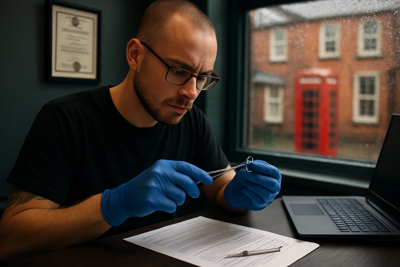
Launching a Piercing Side Hustle in the United Kingdom is an exciting way to turn a skill into income — but doing it legally and safely is crucial. Whether you want to offer ear and nose piercings from a small home studio, book clients at events, or build an online appointment service, the rules in the UK focus on hygiene, client safety, and local compliance. This guide walks you through the legal steps, practical setup, and smart business choices to get started the right way.
At Skinart United Kingdom we specialise in accredited online training for aspiring piercers. Written by Gary Erskine, 25 years in piercing and body-art education, this post covers everything from registration and waste disposal to pricing and marketing — all with a practical UK lens to help you launch a compliant, credible Piercing Side Hustle.
Table of Contents
Use the links below to jump to the section you need. We add semantic IDs so search engines can show “Jump to” links for fast access.
- Overview: What a Piercing Side Hustle Looks Like
- Legal Requirements and Health Rules in the UK
- Pros and Cons of Running a Piercing Side Hustle
- Setting Up: Space, Supplies and Client Flow
- Training, Certification and Insurance
- Pricing, Marketing and Client Booking
- Common Mistakes to Avoid
- Compliance and Local Council Contacts
- FAQs — Piercing Side Hustle: How to Start Legally
- Final Thoughts & Next Steps
Overview: What a Piercing Side Hustle Looks Like
Starting a Piercing Side Hustle means balancing creative skill with regulatory responsibility. Many people begin by offering basic ear and nose piercings, building a weekend or evening client list while keeping a day job. A legal, reputable side-hustle focuses on safe techniques, client records, and clear hygiene practices — not improvisation. This section explains the core concept so you can imagine a practical route from hobby to small business.
In the UK context, piercing is not centrally regulated like some medical procedures, but local councils enforce health and safety standards through environmental health teams and byelaws. Your responsibilities will include risk assessments, safe waste disposal, infection control, and accurate client consent documentation. Treating your side hustle as a professional endeavour from day one reduces risk and helps you grow sustainably.
Whether you intend to work from a home studio (where allowed), hire a small commercial room, or operate pop-up piercings at events, the same legal and safety principles apply. We’ll cover practical steps later — but first, let’s look at the specific legal requirements you should never ignore.
Legal Requirements and Health Rules in the UK
Before you take your first booking, understand the legal framework you’ll operate inside. Many legal obligations are delivered locally by councils, while general business rules (tax, insurance, waste) are nationwide. Key legal pillars include registration and business status, environmental health compliance, and safe handling of sharps and clinical waste.
- Register your business with HMRC if you earn money from piercings — commonly as a sole trader or limited company.
- Contact your local council’s environmental health team about regulations for cosmetic piercing and any registration they require.
- Follow guidance for waste handling (sharps bins, clinical waste collection contracts) and record disposal receipts.
Practical UK references include HM Government business guidance (set-up and record-keeping) and the Health and Safety Executive for workplace practices. If you need help on registration or legal obligations, GOV.UK has clear steps on registering to pay tax and National Insurance: https://www.gov.uk/set-up-business. For health & safety principles in the workplace, see HSE guidance: https://www.hse.gov.uk/.
Pros and Cons of Running a Piercing Side Hustle
Running a Piercing Side Hustle delivers flexibility and direct client income, but it comes with responsibilities. Below is a honest snapshot to help you decide if this is the right small business for your lifestyle and long-term goals.
- Pros — flexible hours, low initial overhead (if you already have some supplies), creative satisfaction, and rapid word-of-mouth growth when you deliver safe, friendly service.
- Cons — regulatory compliance, insurance and waste costs, the need for reliable record-keeping, and the fact that mistakes can lead to complaints or legal exposure.
When you treat a Piercing Side Hustle as a professional endeavour — with the right training, paperwork, and insurance — the pros usually outweigh the cons. Many UK piercers build strong local reputations that expand into full-time studios or event bookings. Skinart United Kingdom’s accredited online Piercing course focuses on the competencies you need to minimise the cons and grow the pros.
Remember: the legal and reputational risks are manageable with preparation. Documentation — client consent, aftercare leaflets, incident logs — protects you and builds trust. Next we will unpack the practical setup so you can visualise what running a compliant side business looks like in everyday terms.
Setting Up: Space, Supplies and Client Flow
Good setup is the backbone of a legal, professional Piercing Side Hustle. Whether you plan to operate from a permitted home studio, a rented room, or chosen event spaces, your layout should prioritise hygiene, privacy, and efficient client flow. Think like a clinic: separate clean and dirty zones, a dedicated hand-wash sink if possible, and a clear, signed consent procedure.
Note: Skinart United Kingdom provides accredited online training only. We do not offer in-person training within the United Kingdom, and we do not supply pierce equipment in the UK. Your course will prepare you to run a compliant side hustle, but you must source your own tools from approved UK suppliers and follow local waste disposal rules.
Essentials to consider when setting up:
- A clearly cleaned and sanitised client chair and work surface
- Single-use gloves, sterile piercing needles or clamps where permitted, and pre-sterilised jewellery from reputable suppliers
- Sharps containers and a contract with a licensed clinical waste collector
- Visible aftercare instructions, consent forms, and a private area for consultation for anyone under 18 or specific medical conditions
- Clean dressings, antiseptics approved for skin use, and plenty of single-use swabs
- Good lighting and a system for keeping client records (digital or paper) with data protection in mind
- Portable point-of-sale or invoicing system for receipts and tax records
- Appropriate PPE for you and, where required, for clients (e.g., masks during outbreaks if local rules indicate)
Training, Certification and Insurance
Training is essential for a safe Piercing Side Hustle. Completing an accredited course reduces mistakes, builds client trust, and forms part of evidence for your insurance application and local council checks. Skinart United Kingdom offers a fully accredited online Piercing course designed to meet CPD Standards Office and BAQA expectations, focusing on anatomy, aseptic technique, aftercare, and business fundamentals.
After completing quality training you should be able to:
- Perform common piercings with evidence-based aseptic technique
- Conduct client consultations and identify contra-indications
- Complete safe disposal of sharps and clinical waste
- Produce client records and aftercare instructions that meet audit standards
- Understand infection control and health & safety policies
- Know how to respond to complications and when to refer to medical services
- Identify the right business and insurance packages for your operation
- Maintain professionalism that supports growth and compliance
Insurance is non-negotiable: public liability and professional indemnity protect you if a client experiences a complication or alleges negligent practice. Insurers typically require recognised training, evidence of your risk controls, and a clear waste-disposal plan before they will quote.
Pricing, Marketing and Client Booking
Smart pricing and reliable booking systems let you scale a Piercing Side Hustle without burnout. Think in tiers: basic ear lobe is commonly entry-level pricing; cartilage, nostril, and other placements command higher fees due to longer procedure time and higher aftercare risk. Research local competitors in your town or city to set realistic starting rates.
Marketing should emphasise safety and training. Use before/after photos (with client consent), share aftercare tips, and highlight your CPD/BAQA accreditation. For booking, choose an online system that captures client contact details, medical history and consent digitally. This reduces admin time and creates reliable records for audits or insurance claims.
- Price competitively, but include costs for consumables, PPE, waste collection, and insurance.
- Create a simple price-list and aftercare PDF to email with booking confirmations.
- Use social proof — reviews and testimonials — but ensure they are honest and GDPR-compliant.
- Offer loyalty incentives or referral discounts once you are established.
- Schedule realistic appointment times and avoid overbooking; client recovery and aftercare advice take time.
- Keep a waiting list for cancellations and a clear refund/cancellation policy visible to clients.
- Consider weekend or evening slots to suit a side-business model and avoid clashing with your main job.
- Build local partnerships (barbers, tattoo studios, event organisers) for guest bookings.
Common Mistakes to Avoid
- Skipping accredited training because “you learned from a friend”.
- Failing to register or notify the local council when required.
- Improper disposal of sharps or using uncertified waste carriers.
- Poor record-keeping for client medical history and consent.
- Underquoting time required for procedures and aftercare advice.
- Using non-UK compliant jewellery or uncertified suppliers.
- Operating without public liability and professional indemnity insurance.
- Not having a plan for complications or referrals to healthcare services.
Avoiding these common mistakes keeps your Piercing Side Hustle sustainable. We regularly see new operators hurt their reputations by cutting corners on training, hygiene, or documentation. These shortcuts create bigger problems than the money saved.
By contrast, investing in accredited training and clear admin systems can make your side hustle feel professional and manageable. Skinart’s online Piercing course aims to address each of these typical failure points so you can focus on building a reliable client base without unnecessary risk.
Compliance and Local Council Contacts
Local councils often handle cosmetic practice oversight in the UK. Contact your council to check if you need to register or notify them about offering piercing services. Environmental health can provide guidance on premises standards and may carry out inspections. Keeping open lines of communication reduces the chance of enforcement action and helps you demonstrate professionalism.
- Find your local council online and search for “cosmetic piercing” or “tattoo and piercing premises” to locate registration details.
- Keep copies of correspondence, inspection reports, and evidence of corrective actions if required.
- Use a named clinical waste contractor and keep disposal receipts as part of your business records.
- Follow GDPR rules for client data, storing medical histories and consent forms securely.
- Make a simple written health & safety policy and a record of risk assessments for your work area.
- Ensure your public liability policy lists piercing as an activity covered.
- Keep an incident book and document any aftercare complications and actions you took.
- Engage with local networks (trades associations, business forums) — they can highlight specific local expectations.
Example local success: a Glasgow-based piercer who followed council guidance from the outset built trust quickly and now offers weekend bookings at community markets, with a clear waste-collection contract and 5-star reviews for aftercare. Local compliance pays dividends — it opens doors to business partnerships and event permissions.
Standards, Quotes and Industry Guidance
To strengthen your credibility, reference recognised industry standards and share how your education aligns with them. For example, many reputable bodies recommend clear consent procedures and BBP (blood-borne pathogen) knowledge. Below is a short industry-style quote that reflects the guidance most environmental health officers expect to see.
“Practitioners offering body piercing should follow standard infection prevention controls, keep accurate client records, and ensure responsible sharps disposal. Proper training and clear evidence of procedures reduce risks for clients and operators.” — Centre for Professional Tattoo & Piercing (CPTP) guidance summary
Skinart United Kingdom’s online Piercing course is built around CPD Standards Office accreditation and BAQA frameworks so that when you present your certificate to insurers or councils, it aligns with industry expectations. Always keep training certificates and course outlines to hand when requested.
Real-World UK Examples and Next Steps
Several UK operators have successfully built Piercing Side Hustles using the following pathway: accredited online training, purchasing compliant jewellery from UK suppliers, registering with HMRC, and arranging local waste collection. One successful story in Bristol involved weekend market bookings and local collaboration with a popular barbershop — the operator emphasised transparent pricing, excellent aftercare guidance, and fast communication as keys to growth.
Another operator in Leeds focused on ethical sourcing and used Instagram responsibly to attract clients. Clear imagery, honest expectations about pain and aftercare, and strong consent processes helped her scale without sacrificing quality. These are practical examples you can emulate at scale or as a weekend side hustle.
- Take accredited training that is accepted by insurers and councils.
- Register with HMRC and set up straightforward bookkeeping from the start.
- Use reliable clinical waste services and keep receipts.
- Build reviews with consented photos and aftercare advice shared publicly.
FAQs — Piercing Side Hustle: How to Start Legally
Do I need a licence to offer piercings in the UK?
There is no single national licence for body piercing in the UK — instead, local councils set rules and may require registration or notification for cosmetic piercing premises. Contact your local environmental health department for precise requirements in your area.
What training do I need before offering piercings?
You should complete an accredited piercing course that covers infection control, anatomy, aseptic technique, client consultation and aftercare. Accredited CPD and BAQA-recognised courses are typically accepted by insurers and councils.
Can I do piercings from home in the UK?
Some councils allow home-based piercing businesses, but rules vary. You must meet hygiene standards, ensure client privacy, and check whether your council needs notification or whether your local housing covenant/landlord rules allow such work.
Do I need insurance to start a Piercing Side Hustle?
Yes. Public liability and professional indemnity insurance are essential. Insurers typically require evidence of recognised training, risk controls and a clear waste disposal plan.
Where can I find reliable guidance on business setup and waste handling?
GOV.UK is the best source for registering a business and tax obligations. For workplace safety and clinical waste guidance, the Health and Safety Executive and your local council’s environmental health team are reliable UK resources.
Final Thoughts & Your Next Step
Starting a Piercing Side Hustle can be a rewarding way to build creative income while developing a professional service that your community trusts. The legal landscape in the UK primarily focuses on safety, record-keeping, and appropriate waste disposal — areas you can master with the right training and sensible systems.
If you want a practical, accredited route into safe piercing practice, our online Piercing course at Skinart United Kingdom is designed to equip you with the knowledge employers, insurers and councils look for. The course is accredited with the CPD Standards Office and fits the BAQA frameworks used by many professionals.
Take the next step today: invest in recognised training, set up clear business processes, and start building a compliant, long-lasting Piercing Side Hustle that your clients will recommend to others.
Recent Blog Posts
- Studio Etiquette Update: Professionalism in 2026
 Workplace Etiquette for Body Art Studios Refresh your studio etiquette and build a reputation for professionalism with these up-to-date best practices.… Read More »Studio Etiquette Update: Professionalism in 2026
 - 🌙 Eid Mubarak: Celebrate with 5% Off in 2026!
 Eid Savings: 5% Off All Courses Celebrate Eid with a special offer: 5% off any course. Use code EID5 at checkout.… Read More »🌙 Eid Mubarak: Celebrate with 5% Off in 2026!
 - Top Mistakes New Body Artists Should Avoid (2026)
 Stay Ahead: Common Pitfalls for New Artists Read up on the most frequent errors new body artists make, and how to… Read More »Top Mistakes New Body Artists Should Avoid (2026)