How to Build a Scalp Micropigmentation Portfolio
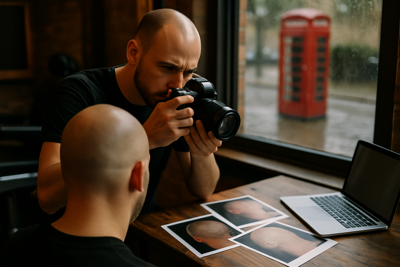
Building a scalp micropigmentation portfolio is one of the most powerful steps you can take to launch or grow your scalp micropigmentation (SMP) career in the United Kingdom. A strong portfolio not only demonstrates your technical skill and artistic eye but also builds trust with clients, local clinics, and health inspectors.
Whether you’re just finishing training with Skinart United Kingdom or expanding your services, this guide covers everything you need to build a professional, searchable, and conversion-focused portfolio that attracts clients across the UK. You’ll find practical photography tips, case study templates, legal and hygiene considerations, and marketing strategies tailored to British regulations and customer expectations.
Read on to discover step-by-step techniques to curate your best work, present before-and-after transformations, and use your portfolio to win consultations and bookings. The guidance below is based on industry best practice and the experience our lead tutor Gary Erskine has gained from training thousands of students worldwide.
Table of Contents
Use these links to jump to the section you need. We use semantic section IDs so search engines can show “Jump to” results for readers in the UK and beyond.
- Understand core concepts of a professional SMP portfolio
- Client consent and ethical presentation
- Photography, editing and presentation best practices
- What to include: case studies, formats and metrics
- Marketing, SEO and social proof for UK clients
- Common mistakes to avoid
- Legal, health and professional compliance in the UK
- UK case studies and success stories
- Frequently asked questions
- Final thoughts and next steps
Understand core concepts of a professional SMP portfolio
At its simplest, a scalp micropigmentation portfolio is evidence: visual proof of the results you can deliver, the processes you follow, and the experience clients can expect. In the competitive UK market, a portfolio that clearly communicates technique, outcomes, and aftercare will convert inquiries into consultations. Throughout this article we’ll use the phrase Build a Scalp Micropigmentation Portfolio repeatedly because it’s the central task you’re completing — your portfolio should be curated with intention.
When planning your portfolio, think about three pillars: clarity, credibility, and conversion. Clarity means clean before-and-after images with consistent lighting and angles. Credibility shows training, certifications, and client testimonials. Conversion focuses on calls to action and contact points so that potential clients can book a consultation or request an online assessment.
For trainees and newly qualified SMP artists in the United Kingdom, your portfolio is often the first impression. It should reassure local clients who are checking hygiene standards and legal compliance as much as it showcases aesthetic skill. Include short notes about sterilisation, risk management, and follow-up care to reassure viewers searching for trustworthy practitioners in UK towns and cities.
Client consent, ethics and presenting work honestly
Transparency builds trust. Before you publish images, obtain written consent from clients and record the date of the procedure and the aftercare information given. A short consent line in every case study that confirms the client agreed to photos for marketing is a small but crucial detail for UK practitioners.
- Pros: Builds trust, protects you legally, and improves conversion by featuring real stories.
- Cons: Not all clients will agree to photos; you may need to offer incentives or wait until healing is complete.
When creating case studies, avoid over-editing or misrepresenting results. UK clients are savvy and may search for complaints or reviews before booking; honest presentation reduces the chance of disputes. If an image requires cropping for privacy, note the reason in the caption so potential clients are not misled.
It’s also good practice to anonymise where requested and to use model releases. For younger clients or those with sensitive medical histories, check whether an accompanying clinician’s note or GP referral was involved and indicate that in your case study. That level of documentation elevates your portfolio from a gallery into a professional record.
Photography, editing and presentation best practices
Great photos are non-negotiable. You don’t need a studio—many successful SMP artists in the UK begin with a simple setup that emphasises consistency. The key is consistency in angle, lighting, and distance so viewers can compare before and after images instantly.
Start with a basic checklist for every shoot: natural daylight or a daylight-balanced lamp, plain background, three-quarter and top-down views, and a neutral camera setting. Use a tripod or phone stand to keep the framing identical across sessions. If you’re building a portfolio on a budget, a good ring light and a neutral backdrop can produce professional-looking images.
Post-processing should be conservative. Correct white balance and crop for framing but avoid smoothing skin or changing hairlines. Honest editing maintains trust. Include short captions that explain the session length, number of sessions, and healing stage (immediate after, 2 weeks, 3 months, etc.).
- Consistent angles: front, left 45°, right 45°, top-down (vertex).
- Lighting: natural diffuse daylight or daylight-balanced LED.
- Background: plain, neutral, non-distracting.
- Distance: same distance for before and after images.
- Camera: modern smartphone camera on tripod or DSLR for higher detail.
- Editing: white balance, exposure, minor crop — avoid altering results.
- File types: save high-resolution JPG/PNG for web and compressed copies for social.
- Captions: session number, date, healing state, client consent note.
What to include: case studies, formats and metrics
- Before and after comparative photos (at least 2 angles).
- Short case study (3–5 sentences) describing the client’s concern and treatment plan.
- Number of sessions and approximate total treatment time.
- Healing timeline images (immediate, 2 weeks, 3 months) where possible.
- Client testimonial or short quote about their experience.
- Procedure details: needle type, pigment matched, and session notes (high level).
- Hygiene statement and the local regulation compliance note.
- Call to action with contact link or booking form link.
Present each case study in the same format so potential clients can scan quickly. This format is ideal for both website portfolio pages and for PDF brochures you might send to clinics or referral partners in the UK.
Using simple metrics — number of sessions, average session time, and client satisfaction snippets — makes your portfolio easier to compare with other providers. If you track client satisfaction formally (e.g., post-treatment survey), include an average rating like “4.8/5 from 45 clients” to boost credibility.
Marketing your portfolio: SEO, socials and local directories
Building a Scalp Micropigmentation Portfolio is only half the work — you must also make it discoverable. Search engine optimisation (SEO) is crucial. Create a dedicated portfolio page on your website with descriptive titles (e.g., “SMP vertex restoration – London, 3 sessions”) and include alt text for images that reflects the procedure and location for local search relevance.
Social platforms like Instagram and TikTok are visual-first and great for rapid exposure. Use consistent hashtags and local tags (e.g., #SMPLondon, #SMPManchester) and post short healing timeline videos. For UK clients who prefer privacy, offer private portfolio viewings via a password-protected gallery or by appointment.
- On-site SEO: descriptive H1/H2, image alt text, concise case study URLs.
- Local SEO: Google Business Profile, Bing Places, and local directories.
- Social proof: video testimonials and Instagram highlights (healing timelines, FAQs).
- Email follow-up: send curated portfolio examples to new enquiries.
- Paid campaigns: targeted social ads towards local demographics (age, hair loss concerns).
- Referral networks: local barbers, clinics and dermatology practices.
- Printable portfolio: PDF casebook for clinics and consultations.
- Tracking: monitor which images or pages drive enquiries using analytics.
Common mistakes artists make when building a portfolio
- Using inconsistent angles and lighting that makes comparisons unclear.
- Over-editing photos (skin smoothing or altering hairlines).
- Failing to document session count and stage of healing.
- No client consent statement or missing release forms.
- Not including aftercare or hygiene statements for UK compliance.
- Relying only on social posts without a dedicated website portfolio.
- Showing only perfect cases — lack of range (scar work, diffuse thinning, alopecia).
- Not tracking which portfolio items lead to bookings or enquiries.
These mistakes reduce the trust your portfolio can inspire. Correcting them requires a mixture of discipline (consistent photography) and systems (consent forms, aftercare templates). At Skinart United Kingdom, we recommend templated case study pages so every entry follows the same format and reduces the chance of missing details.
Another common trap is ignoring long-term results. Where possible, include follow-up images at 6–12 months to demonstrate pigment stability and client satisfaction. Long-term evidence is particularly persuasive for clinics who may refer clinical patients and for clients who want reassurance about durability.
Legal, health and professional compliance in the United Kingdom
UK practitioners must ensure their portfolio reflects their compliance with local health and safety standards. While regulations vary by local authority, common expectations include sharps disposal, surface disinfection records, and appropriate personal protective equipment during procedures. Displaying a brief hygiene statement on each case study reassures viewers and demonstrates professionalism.
Skinart Training’s accredited courses (CPD Standards Office and BAQA recognised) emphasise the administrative and practical steps required for compliance. If you mention your qualifications in your portfolio, link to the awarding bodies (e.g., CPD Standards Office or the Body Art Qualification Association) to provide further reassurance to discerning clients.
Where applicable, indicate whether the procedure was carried out in an approved clinical setting or a registered studio. For referrals from dermatology clinics or GPs, include anonymised confirmation that the client was referred and that appropriate medical history checks were undertaken.
UK case studies and success stories
Real stories resonate. Here are condensed examples (anonymised) from UK clients that illustrate how to structure your case studies when you Build a Scalp Micropigmentation Portfolio:
Case study 1: Manchester — Diffuse thinning in a 38-year-old male. Plan: 2 sessions, scalp blending at vertex and hairline. Outcome: client reported higher confidence, photos at 3 months show natural density. Testimonial: “Natural and discreet — exactly what I needed.”
Case study 2: Glasgow — Scar camouflage after hair transplant. Plan: 1 session focused on scar texturing. Outcome: scar blended and less visible under short hairstyles; referred by local clinic.
Frequently asked questions about how to build a scalp micropigmentation portfolio
Here are common questions people ask when they want to Build a Scalp Micropigmentation Portfolio.
How many case studies should I include in my portfolio?
A solid starter portfolio contains 8–12 diverse case studies showing different hair types, angles and conditions (e.g., scar camouflage, diffuse thinning, hairline restoration). Quality matters more than quantity—choose your best, most varied work.
Do I need professional photos or will smartphone images do?
Smartphone images are fine if they are consistent, well-lit and high resolution. Many UK artists use smartphones with a ring light and tripod to capture reproducible before-and-after shots that look professional.
Should I show immediate after images or wait for healed results?
Show both. Immediate after photos demonstrate technique and density; healed images at 8–12 weeks show how pigment settles. Label each image clearly so viewers understand the healing stage.
Can I use client testimonials from social media?
Yes—embed or quote permissioned social media testimonials and include a link to the original post where possible. Be sure you have written permission to republish any client statements in your portfolio.
How do I make my portfolio discoverable to UK clients?
Focus on local SEO (Google Business Profile, location-specific keywords like “SMP London”), consistent image alt text, and social content with local hashtags. Regularly update your portfolio to keep it fresh in search results and social feeds.
Should I include pricing in my portfolio?
Pricing can be listed as a guide or starting price to set expectations, but many artists prefer to invite enquiries for a personalised quote. If you include pricing, make the terms clear (e.g., “from £XXX, subject to consultation”).
Is it okay to feature sensitive conditions like alopecia?
Yes, with explicit consent. Highlight your experience and the sensitivity of your approach. Including clinical referrals or testimonials from medical practitioners strengthens credibility for such cases.
FAQ schema (structured data) can help your content appear in rich search results — see the small JSON-LD snippet below to add to your website if your platform supports it.
Final thoughts: put your portfolio to work
Building a Scalp Micropigmentation Portfolio is an ongoing process: every new case is an opportunity to refine your presentation and sharpen your message. As you grow, your portfolio will become not only a showcase of skill but also a business asset that produces consultations, referrals, and partnerships.
Start by curating your best eight case studies, refine the photography workflow, and standardise the case study template. Use local SEO and social media consistently, and remember that honest presentation and clear client consent are foundations for sustainable growth in the UK market.
Written by Gary Erskine, lead tutor at Skinart United Kingdom — over 25 years of industry experience training thousands of students worldwide. If you’d like step-by-step guidance on crafting your portfolio, our accredited Online Scalp Micropigmentation course covers case documentation, photography, and client communication tailored to UK practice.
Ready to build a portfolio that books clients?
Join our accredited Online Scalp Micropigmentation course and learn how to document cases, photograph results and present a portfolio that converts enquiries into consultations across the UK.
Recent Blog Posts
- Studio Etiquette Update: Professionalism in 2026
 Workplace Etiquette for Body Art Studios Refresh your studio etiquette and build a reputation for professionalism with these up-to-date best practices.… Read More »Studio Etiquette Update: Professionalism in 2026
 - 🌙 Eid Mubarak: Celebrate with 5% Off in 2026!
 Eid Savings: 5% Off All Courses Celebrate Eid with a special offer: 5% off any course. Use code EID5 at checkout.… Read More »🌙 Eid Mubarak: Celebrate with 5% Off in 2026!
 - Top Mistakes New Body Artists Should Avoid (2026)
 Stay Ahead: Common Pitfalls for New Artists Read up on the most frequent errors new body artists make, and how to… Read More »Top Mistakes New Body Artists Should Avoid (2026)