Best Tattoo Machines & Supplies for Beginners
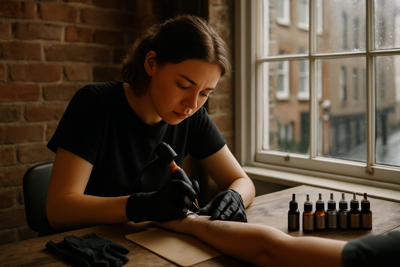
Starting out in tattooing can feel overwhelming — there are so many machines, needles, and inks to choose from. This guide covers the Best Tattoo Machines & Supplies for beginners in the United Kingdom, helping you make practical, safe, and cost-effective decisions as you learn the craft.
Whether you’re training at home with accredited online theory or preparing for a professional apprenticeship, choosing the right starter equipment will speed your learning and keep your clients safe. This article lays out machine types, essential supplies, what to avoid, tips for maintenance, and how to purchase quality kit without wasting money.
Written by Gary Erskine, 25 years in Best Tattoo Machines & Supplies education — as lead tutor at Skinart United Kingdom I’ve trained thousands of artists worldwide. Below you’ll find step-by-step recommendations tailored to UK regulations, local suppliers, and accredited training pathways (CPD & BAQA).
Table of Contents
- Introduction: Choosing Your First Tattoo Equipment
- Machine Types: Coil vs Rotary vs Pen
- Essential Supplies Every Beginner Needs
- Safety, Sterilisation & UK Regulations
- Common Equipment Mistakes Beginners Make
- Maintenance and Care for Longevity
- Buying Advice: Where to Spend & Where to Save
- Upgrading: When and What to Buy Next
- FAQ — Best Tattoo Machines & Supplies for Beginners
- Final Thoughts & Next Steps
Use the anchor links above to jump to each section — Google may show these as “Jump to” links in search results.
Introduction: Choosing Your First Tattoo Equipment
Deciding on the Best Tattoo Machines & Supplies begins with understanding what you want to learn and how you will train. If you are following an accredited course — such as Skinart United Kingdom’s online Tattoo course (CPD & BAQA accredited) — your tutor will recommend specific workflows and safety practices. The machine you buy should match the techniques you’ll be learning: lining, shading, packing colour, or tattooing with cartridges.
For beginners in the UK, practical concerns matter: availability of replacement parts, warranty support within the UK/EU, and compliance with health and safety standards. Avoid one-size-fits-all advice — what’s “best” depends on whether you want to specialise in fine-line work, bold neo-traditional pieces, or realism.
In this section we’ll frame the decision-making process so you can prioritise the right features: reliability, ease of use, maintenance, and supplier reputation. These factors will help you choose machines and consumables that accelerate learning rather than slow you down.
Machine Types: Coil, Rotary, and Pen-style Machines
There are three main machine types you’ll encounter: coil, rotary, and pen-style (often rotary-based). Each has pros and cons for beginners.
- Coil machines: Traditional, powerful, and adjustable for lining or shading. They have a distinct feel and sound and are favoured for certain styles, but they need more maintenance and a steeper learning curve.
- Rotary machines: Quieter, smoother, and lower maintenance. They work well for most tasks and are easier for beginners to control.
- Pen-style machines: Ergonomic and similar to a permanent makeup device. They’re excellent for precision and are rapidly becoming the go-to tool for newcomers who favour cartridge needles.
Pros and cons vary depending on your style and what your mentor recommends. Here are compact pros and cons to help you choose.
- Pros (Rotary/Pen): Easier learning curve, less vibration, versatile for beginner work.
- Cons (Rotary/Pen): Less tactile “snap” for certain lining techniques; some artists prefer coil for specific effects.
- Pros (Coil): Powerful, classic feel, can be tuned for different effects.
- Cons (Coil): Heavier maintenance, louder, and can be intimidating for absolute beginners.
My recommendation for most beginners in the UK: start with a reliable rotary or pen-style machine. They’re versatile, simple to maintain, and work well with cartridges — which simplify needle changes and reduce contamination risk.
Remember: the Best Tattoo Machines & Supplies are those that suit your technique, your budget, and the guidance of your tutor. During Skinart’s online Tattoo course you’ll learn how to use both rotary and coil concepts so you can pivot confidently as your style develops.
Essential Supplies Every Beginner Needs
Beyond the machine itself, there is a set of consumables and support gear you must have before tattooing anyone — even practice skins. The right supplies protect your clients and protect your budding career.
We list the essentials below with practical notes adapted for UK beginners, including tips on sourcing, sterilisation, and local compliance.
Important note for UK students: Skinart United Kingdom does not supply tattoo equipment. Our course teaches safe selection, handling, and legal compliance so you can confidently buy the right kit from reputable UK and EU suppliers.
- Machine (rotary or pen-style recommended for beginners)
- Power supply with digital voltage readout and reliable connectors
- Foot pedal and clip cord or integrated wireless setup
- Needles and cartridges: a range of round liners, round shaders, magnums (single-use, sterile)
- Disposable grips or sterile grip covers and grip tape
- Medical-grade gloves (nitrile), aprons, and barriers for infection control
- Single-use ink caps, transfer paper, and stencil supplies
- High-quality inks from reputable manufacturers (check UK/EU safety data sheets)
- Green soap, sterile saline, and aftercare ointments approved for use on tattooed skin
- Sharps container, clinical waste bags, and clear disposal procedures
- Workstation lighting, adjustable chair, and comfortable client couch
When buying consumables in the UK, always request certificates of sterilisation and check the manufacturer’s SDS (safety data sheet). Many suppliers in the UK and EU will provide traceability documentation for sterile cartridges and needles — keep those records as part of good clinical practice.
In Skinart’s online course we go through every item on this list, show how to set up a safe workstation, and recommend trusted suppliers who ship to the UK. This ensures you aren’t paying for unnecessary extras in your first kit.
Safety, Sterilisation & UK Regulations
- Use single-use, sealed sterile needles and cartridges — open them in front of the client
- Wear nitrile gloves and change them if they become contaminated
- Surface disinfect all work areas with an appropriate disinfectant between clients
- Dispose of sharps immediately into a labelled sharps bin and follow local clinical waste disposal rules
- Log equipment lot numbers, client consent, and aftercare guidance as part of clinical records
- Understand local council regulations for tattooing premises and ensure registration where required
- Follow advertising and clinical guidance for tattoo aftercare under UK consumer protection laws
- Only use inks with accessible SDS information and avoid unlabelled or unlcear-sourced pigments
UK law requires safe and hygienic practice. The Health and Safety Executive (HSE) offers guidance on managing risks in clinics and parlours; see their advice at HSE. Local councils often enforce registration of premises and clinical waste disposal — check with your local environmental health office.
Quote from a public health officer: “Clear records, single-use needles, and proper disposal are the single biggest protections for clients and practitioners alike.” This is consistent with best-practice guidance from accreditation bodies and infection-control advisers.
Common Equipment Mistakes Beginners Make
Many early errors stem from poor purchase choices and lack of training in setup and ergonomics. Addressing these early will save money and reduce client harm.
- Buying the cheapest machine with no brand history — often unreliable and difficult to repair
- Using non-sterile or re-using needles and cartridges — increases infection risk
- Skipping a quality power supply and relying on unregulated adapters — causes inconsistent needle performance
- Poor hygiene practices: not changing gloves, not disinfecting surfaces between clients
- Wrong needle selection for a given task — e.g., using a magnum for fine-line work
- Incorrect machine tuning — leading to blowouts, excessive trauma or skipping
- Buying large bulk packs of unknown-brand inks to save money — risks allergic reactions and poor colour stability
- Neglecting ergonomics: awkward grips or heavy machines cause fatigue and inconsistent lines
Each of these mistakes is avoidable with training and a modest initial budget prioritising reliability over novelty. In our course we show exactly how to tune machines and choose needles for common pieces.
Case study (UK): A trainee in Manchester avoided early blowouts after switching to single-use cartridges and taking our machine tuning module — their early client outcomes improved within weeks and they secured an apprenticeship.
Maintenance and Care for Longevity
Maintenance is straightforward but disciplined: clean, lubricate, and verify before each session. For beginners this routine reduces downtime and prevents many early failures.
Key maintenance tasks include cleaning grips, checking cord integrity, testing foot pedal responsiveness, and confirming the power supply voltage is stable. For coil machines you’ll need additional tuning and checking for loose springs or screws.
Quote from a senior ink manufacturer: “Consistent maintenance and traceability of consumables are pivotal to safe practice and predictable client outcomes.” Following manufacturer guidance preserves warranties and helps you troubleshoot faster.
- Wipe non-porous surfaces with clinical disinfectant between clients
- Replace O-rings and grips as they show wear
- Inspect needle sterility seals and packaging before use
- Keep a maintenance log for your machine — date, issue, action taken
- Only use lubricants specified by the machine manufacturer
- Test power supply output with a multimeter periodically
- Store machines in a clean, dry case and keep spare consumables in sealed containers
- Follow manufacturer cleaning instructions for pen-style grips to avoid invalidating warranties
Buying Advice: Where to Spend & Where to Save
For your first purchases, balance quality against budget. Spend more on what directly affects client safety and the quality of your work; save on items that can be upgraded later.
Spend more on: a reliable power supply, good cartridges/needles, and a machine from a reputable maker with UK/EU support. These items directly affect performance and client safety. Save on: non-critical extras like decorative covers, oversized toolcases, or bulk buys of low-quality inks.
Important UK tip: buy from UK-registered suppliers when possible to speed returns, replacements, and to ensure easier compliance with EU product standards. Always ask for SDS documentation for inks and certificates for sterile disposables.
Upgrading: When and What to Buy Next
Once you’re comfortable and consistently producing clean work, consider upgrades that improve comfort, precision, or speed. Popular upgrades include professional-grade pen machines, wireless power systems, and a broader palette of premium inks.
Consider investing in a dedicated ergonomic workstation and professional lighting before expanding your machine collection. These changes often have a greater impact on quality than buying multiple machines.
When upgrading, ask for demo sessions or return windows from suppliers — UK retailers often provide customer support and warranties that overseas suppliers don’t. Keep invoices and warranty details for traceability.
FAQ — Best Tattoo Machines & Supplies for Beginners
Below are common questions new artists ask when choosing their first machines and supplies.
What is the best tattoo machine for beginners?
For most beginners a reliable rotary or pen-style machine is best — they’re easier to control, quieter, and require less maintenance than coil machines. Your choice should align with your tutor’s recommendations and the types of tattoos you plan to practise.
Which supplies are essential to buy first?
Start with a dependable machine, a regulated power supply, sterile single-use needles/cartridges, nitrile gloves, clinical disinfectant, ink caps, and clinical waste disposal (sharps bin). These cover machine performance and safety.
Can I buy equipment after taking an online course?
Yes. Skinart’s online Tattoo course teaches you how to evaluate, set up and maintain equipment safely; most students buy their first kit after completing the practical modules or while guided by a tutor.
Do I need to register with my local council to tattoo clients?
Many UK local authorities require registration for tattoo premises and enforce clinical waste regulations. Always check with your local environmental health office and follow HSE guidance where applicable.
Are cartridge needles better for beginners?
Cartridge needles are often recommended for beginners because they are single-use, quick to change, and compatible with pen-style machines — reducing contamination risk and simplifying needle selection.
Final Thoughts & Next Steps
Choosing the Best Tattoo Machines & Supplies as a beginner in the United Kingdom is about balancing safety, reliability, and training. Start simple: a quality rotary or pen-style machine, a dependable power supply, sterile consumables, and a commitment to clinical hygiene.
Training matters more than gadgets. Enrolling in an accredited course (CPD & BAQA) will teach you how to use equipment correctly, avoid common mistakes, and meet UK regulatory expectations. Skinart United Kingdom’s online Tattoo course covers all these areas and prepares you for safe, confident practice.
When you’re ready to move from reading to doing, take the next step with focused training and a curated starter equipment list. That combination will give you a solid foundation and help you build a sustainable career in tattooing.
Ready to Learn the Practical Skills?
Join Skinart United Kingdom’s accredited online Tattoo course and learn machine setup, needle selection, hygiene, and client care — all delivered by experienced tutors and accredited by the CPD Standards Office and BAQA.
Recent Blog Posts
- Studio Etiquette Update: Professionalism in 2026
 Workplace Etiquette for Body Art Studios Refresh your studio etiquette and build a reputation for professionalism with these up-to-date best practices.… Read More »Studio Etiquette Update: Professionalism in 2026
 - 🌙 Eid Mubarak: Celebrate with 5% Off in 2026!
 Eid Savings: 5% Off All Courses Celebrate Eid with a special offer: 5% off any course. Use code EID5 at checkout.… Read More »🌙 Eid Mubarak: Celebrate with 5% Off in 2026!
 - Top Mistakes New Body Artists Should Avoid (2026)
 Stay Ahead: Common Pitfalls for New Artists Read up on the most frequent errors new body artists make, and how to… Read More »Top Mistakes New Body Artists Should Avoid (2026)