Common Mistakes New Tattoo Artists Make
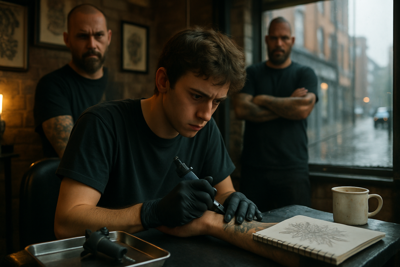
Starting a career as a tattoo artist is thrilling — and full of pitfalls. This article walks through the most common mistakes new tattoo artists make in the United Kingdom, so you can avoid them and build a reputation for clean work, great client relationships and professional practice. Whether you’re just finishing your training or taking your first private bookings, understanding these mistakes early will save you time, money and stress.
We’ll cover technical errors, hygiene blunders, business missteps and softer skills like communication and record-keeping. Many problems are avoidable with the right habits, and the Skinart United Kingdom Tattoo online course is designed to help you practice these from day one. The phrase “Common Mistakes New Tattoo Artists Make” appears across this guide because it’s a central concern for trainees and clients alike — we’ll use it to focus on practical, UK-relevant solutions.
Written by Gary Erskine, 25+ years in body art education — Gary has trained thousands of students worldwide and leads the Skinart United Kingdom Tattoo tutoring team. He brings hands-on studio experience and industry insight tailored for the UK regulatory environment.
Table of Contents
Use these links to jump to the sections most useful to you. Anchor-linked headings help Google generate “Jump to” links and make long guides easier to navigate.
- Introduction: Why these mistakes matter
- Technical errors and how to avoid them
- Hygiene, sterilisation and legal obligations
- Portfolio, social media and representation
- Client relationships, consent and aftercare
- Business basics: pricing, records and insurance
- Equipment mistakes and needle/ink handling
- UK-specific rules and examples
- Frequently asked questions
- Final thoughts & next steps
Introduction: Why avoiding early mistakes matters
New artists often underestimate how quickly a small habit can become a problematic pattern. The focus keyword Common Mistakes New Tattoo Artists Make highlights that many problems recur across studios, and the best way to progress is to identify them early. Small technical errors become visible on healed tattoos, while administrative mistakes can cost you clients or even lead to regulatory action in the UK.
Understanding these mistakes is about more than avoiding embarrassment — it’s about safeguarding clients and building a long-term career. The rest of this guide breaks down common pitfalls by theme and offers practical steps you can implement right away in your practice or that are taught in accredited training.
Skinart United Kingdom’s online Tattoo course focuses on combining theory, practical technique and UK legal context so that newly qualified artists know not only how to tattoo, but how to run a safe, reputable business.
Technical errors: what goes wrong with technique
Many Common Mistakes New Tattoo Artists Make are rooted in rushed technique or insufficient practice with the fundamentals. The needle speed, depth control, and machine settings directly affect line quality, shading and how a tattoo heals.
- Pros: Once mastered, core techniques make tattoos heal better, reduce touch-ups and boost client confidence.
- Cons: Poor technique can lead to scar tissue, blowouts, excessive trauma, and unhappy clients who need cover-ups.
Common practical failures include inconsistent line pressure, incorrect needle angle, and attempting advanced styles before the basics are secure. These problems are fixable with deliberate practice: slow, focused sessions on synthetic skins, then with clear supervision on live models during apprenticeship or accredited training.
In the Skinart curriculum we emphasise step-by-step progression: mastering lining first, then controlled shading, then complex colour packing. That method reduces the frequency of the Common Mistakes New Tattoo Artists Make and gives students measurable milestones.
Hygiene, sterilisation and the law
Hygiene is non-negotiable. One of the most serious Common Mistakes New Tattoo Artists Make is cutting corners on infection control. The UK takes studio hygiene seriously — local councils and the Health and Safety Executive expect clear protocols and records. Poor hygiene can put clients at risk and expose you to legal sanctions.
Key areas to focus on include correct sharps handling, effective cleaning of surfaces, appropriate use of personal protective equipment, and proper waste disposal. Cross-contamination occurs quickly; make a habit of working cleanly every procedure.
Below are practical checks to implement in every session — these will become automatic with repetition and are covered extensively in accredited training.
- Hand-washing and glove changes between clients and tasks
- Single-use needles and tubes where required
- Correct disinfection of work surfaces and furniture
- Autoclave use (where applicable) and regular validation records
- Secure sharps containers for disposal
- Client health screening forms and risk assessment
- Clear aftercare instructions left with each client
- Documented cleaning schedules and incident logs
- Understanding bloodborne virus guidance from UK authorities
Portfolio and social media mistakes
- Posting unfinished work or swollen fresh photos as the final portfolio image
- Misrepresenting expertise by showcasing advanced styles you haven’t mastered
- Failing to label healed vs fresh photos or to show multiple angles
- Overlooking consent forms when posting client images
- Using poor quality photos that hide flaws
- Ignoring negative feedback instead of addressing it professionally
- Not responding promptly to enquiries that could lead to bookings
- Cross-posting identical content without local context or tagging
Social media is how many UK clients first find an artist. A common error is confusing volume with quality: a polished, honest portfolio of healed tattoos will attract better clients than dozens of fresh, misleading images. Make a simple process: photograph healed work, get written permission, and caption images clearly (age of tattoo, touch-ups done, location).
Another area of concern is pricing transparency. If your social media promises “£50 covers everything” but the real price depends on size, that mismatch can damage reputation. Be clear about booking deposits, cancellation policies and how you present aftercare requirements.
Client relationships: consent, expectations and aftercare
Miscommunication is a frequent and avoidable error. Not setting clear expectations about pain, healing time, pricing and touch-up policies often leads to disappointment and complaints. Common Mistakes New Tattoo Artists Make include rushing consent, not documenting allergies or medications, and failing to explain realistic healing outcomes.
- Always use a written consent form and keep it for your records
- Carry out a clear patch test policy for potential allergic reactions
- Explain realistic timelines for healing and provide printed aftercare
- Clarify what a deposit covers and your cancellation/refund terms
- Take high-quality “before” and “after” photos for client records
- Keep an incident log for any unexpected reactions
Good communication builds trust and often reduces the number of touch-ups requested later. For many clients the experience matters as much as the outcome — polite, calm explanations and empathy go a long way. When disputes arise, your paperwork and photographic records are your best protection.
Remember that in the UK, minors are not permitted to get tattoos in many councils, and regulations vary across local authorities — always check your local council rules before taking bookings that might breach local policies.
Business basics: pricing, records and insurance
New tattooists often think that great work alone will pay the bills. Business skills are critical. The Common Mistakes New Tattoo Artists Make include inconsistent pricing, poor record-keeping, and missing essential insurance cover. These can all be addressed with basic systems.
- Use a consistent pricing framework (hourly vs flat rate) and publish it
- Keep client records including consent, medical history and photos
- Obtain professional indemnity and public liability insurance
- Track expenses and income for tax and VAT purposes
- Understand deposit and cancellation policies and document them
- Maintain an appointment system and reminders to reduce no-shows
- Budget for continuing professional development and record learning
- Check local licensing, registration and waste disposal requirements
Insurance and clear records protect you, your clients and your studio. If you plan to work freelance or rent chairspace in the UK, check your contract and ensure your cover is aligned with how you practise. Many newly qualified artists overlook the need for public liability insurance until a complaint arises; don’t wait.
Skinart United Kingdom guides students through the paperwork, including templates for consent forms, aftercare leaflets and client logs so you can start with professional systems in place.
Equipment and supply mistakes
Many Common Mistakes New Tattoo Artists Make relate to equipment selection and maintenance. In the United Kingdom, the market offers many machine types, needle brands and ink suppliers. A frequent error is buying equipment without understanding maintenance routines or warranty implications.
Important practical rules: use reputable ink suppliers, follow manufacturer guidance for machines, validate autoclave cycles if you use reusable items, and never reuse single-use items. Note: Skinart United Kingdom provides comprehensive training, but we do not supply tattoo equipment in the UK. That means students learn what to buy and how to maintain it, but sourcing is the student’s responsibility.
- Buying cheap machines that aren’t serviceable
- Using unknown ink suppliers without MSDS (material safety data sheets)
- Failing to sharpen or replace needles as required
- Poor electrical safety checks for power supplies
- Not validating sterilisation equipment or logging cycles
- Storing inks unsafely — away from light and extreme temperatures
- Using homemade or improvised disposables that aren’t compliant
- Not keeping a log of supplier batch numbers for traceability
UK-specific mistakes and real examples
Local rules vary across the UK. A common mistake is assuming national guidance removes the need to check your local council. For instance, some councils have strict age policies, registration requirements or specific waste disposal contracts — failing to comply can lead to fines or closure orders.
Example: A newly started freelance artist in Manchester failed to register their studio with the local environmental health team and had to pause bookings until an inspection and additional training were completed. That pause cost months of income and damaged their local reputation.
Check with your local council environmental health department and look at guidance from national bodies such as the UK Health Security Agency and the Health and Safety Executive to ensure you’re compliant. Useful resources include the HSE website for biosafety and local council pages for registration requirements.
Frequently asked questions — Common Mistakes New Tattoo Artists Make
Below are some questions trainees commonly search for about common mistakes and how to avoid them. Short, practical answers follow so you can implement fixes quickly.
What are the most common technical mistakes new tattoo artists make?
Common technical mistakes include incorrect needle depth, inconsistent line pressure and attempting advanced techniques before the fundamentals are secure; remediate with focused practice on synthetic skins and supervised live sessions.
How can I avoid hygiene-related mistakes in my studio?
Implement a strict workflow: hand washing, glove changes, single-use disposables where required, validated sterilisation for reusables, and clear records — these steps reduce infection risk and meet UK expectations.
What paperwork should new artists keep?
Keep consent forms, medical histories, before/after photos, incident logs and supplier batch records; these protect you in disputes and are often required for inspections in the UK.
Do I need insurance to start tattooing in the UK?
Yes — professional indemnity and public liability insurance are strongly recommended for freelance and studio-based artists to protect against claims arising from treatment or property damage.
How do I build a portfolio that attracts clients?
Show healed work, include multiple angles, label fresh vs healed photos, be honest about style strengths and obtain client permission for images; quality over quantity wins bookings.
Quotes, official guidance and useful links
To underline the importance of safe practice, here are short statements from recognised bodies and a couple of official resources you can consult for further detail.
“Good training and clear local regulation are essential to reduce health risks associated with body art.” — CPD Standards Office
“Local environmental health departments are the first point of contact for registration and compliance queries.” — UK local authority spokesperson
Further reading: check the Health and Safety Executive (HSE) site and the UK Health Security Agency for national guidance on infection control and bloodborne viruses. If you’re unsure of local rules, contact your council’s environmental health team for precise requirements.
Authoritative links: Health and Safety Executive (HSE), UK Health Security Agency.
Final thoughts: turn mistakes into growth
Mistakes are part of learning; the difference between those who succeed and those who stall is how they respond. If you encounter a technical setback, make a plan: identify the problem, seek feedback, then set a measurable practice goal. If the issue is administrative, standardise your paperwork and schedule a review every quarter.
Common Mistakes New Tattoo Artists Make are not fatal to careers — most are fixable with deliberate effort and the right guidance. Use the lists in this article to run a personal audit of your studio practice, portfolio and business systems. Even asking the right questions puts you ahead of many peers.
If you want structured support, Skinart United Kingdom’s accredited online Tattoo course covers the technical, safety and business modules designed for UK practice. You’ll receive clear lesson plans, practical exercises and templates to implement from day one. Enrolment is online and tailored for new artists aiming to establish a professional, compliant practice.
Skinart Tattoo Course United Kingdom
Ready to reduce mistakes and build confidence? Our accredited Tattoo course (CPD & BAQA) covers technique, safety and business essentials with UK-relevant guidance. Take a practical, structured approach to your training and join thousands who have progressed through Skinart.
Recent Blog Posts
- Studio Etiquette Update: Professionalism in 2026
 Workplace Etiquette for Body Art Studios Refresh your studio etiquette and build a reputation for professionalism with these up-to-date best practices.… Read More »Studio Etiquette Update: Professionalism in 2026
 - 🌙 Eid Mubarak: Celebrate with 5% Off in 2026!
 Eid Savings: 5% Off All Courses Celebrate Eid with a special offer: 5% off any course. Use code EID5 at checkout.… Read More »🌙 Eid Mubarak: Celebrate with 5% Off in 2026!
 - Top Mistakes New Body Artists Should Avoid (2026)
 Stay Ahead: Common Pitfalls for New Artists Read up on the most frequent errors new body artists make, and how to… Read More »Top Mistakes New Body Artists Should Avoid (2026)