Tattoo Ink Safety: Everything Beginners Should Know
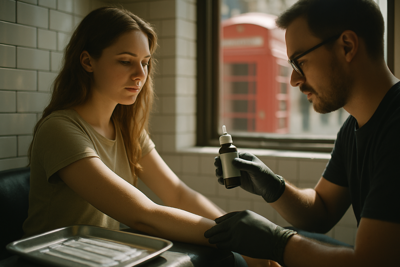
Understanding Tattoo Ink Safety is one of the most important responsibilities for anyone starting in the tattoo industry. Whether you’re training to become a professional artist in the United Kingdom or simply researching best practices, the inks you choose and how you handle them affect client outcomes, legal compliance and long-term reputation.
In this comprehensive guide for beginners, we’ll walk through how inks are made, the potential risks you must manage, UK-specific regulation and practical studio procedures that will keep both you and your clients safe. This article is written by Gary Erskine, lead tutor at Skinart United Kingdom.
Written by Gary Erskine, 25+ years in body art education — this piece draws on decades of teaching, real-world studio experience and up-to-date UK practice to give you a practical, actionable grounding in tattoo ink safety.
Table of Contents
Use these links to jump to the parts of this guide that matter most. We recommend bookmarking this page as your reference while training.
- What is Tattoo Ink Safety?
- Ink ingredients — Pros & Cons
- Harmful components and how to spot them
- Common mistakes beginners make
- UK testing, regulation and labelling
- Studio handling, storage and contamination control
- Aftercare and client communications
- Frequently asked questions
- Final thoughts & next steps
Anchor-linked headings and semantic IDs help Google add quick “Jump to” links in search results.
What is Tattoo Ink Safety?
Tattoo Ink Safety describes the combined practices, product choices and regulatory awareness that minimise harm from inks used in tattooing. It covers what ingredients are present, how inks are manufactured, how they are handled in studio settings and how to respond to adverse events such as allergic reactions or contamination.
For beginners, understanding Tattoo Ink Safety begins with recognising that inks are not inert — they contain pigments, carriers and additives that can interact with skin and the body. Good practice means choosing reputable suppliers, performing patch tests when appropriate and documenting the ink lot and batch used for every client.
Taking ink safety seriously protects clients and your professional standing. In the United Kingdom, local Environmental Health departments and national guidance apply; staying informed helps you avoid legal and clinical pitfalls while building trust with clients.
Ink ingredients — Pros & Cons
At a glance, tattoo inks typically consist of three groups of ingredients: pigments (colour), carriers (liquid base) and additives (stabilisers, preservatives). Each group brings pros and cons in terms of longevity, vibrancy and safety.
- Pros: many modern inks are bright, stable and designed for consistent machine flow.
- Cons: some pigments contain heavy metals or azo compounds that can irritate skin or react under UV.
Understanding the pros and cons helps you choose inks that suit your artistic goals while minimising risk. For example, organic vegetable-derived pigments avoid some metals but may lack long-term stability; conversely, some metal-based pigments retain colour but carry allergenic potential.
When choosing inks buyers in the United Kingdom should favour manufacturers with clear ingredient lists and traceability. Always record the ink brand, colour name, lot number and expiry in your client records — that information is invaluable if a client experiences a reaction later on.
Harmful components and how to spot them
Not all ink hazards are obvious. Some ingredients are relatively safe for most people but may cause reactions in a subset of clients. Here are common problematic components and practical signs to watch for.
Pigments once derived from heavy metals (lead, cadmium, chromium, cobalt) can be allergenic or carcinogenic at high exposures. Modern formulations often avoid certain metals, but not every product is fully transparent. A vendor’s material safety data sheet (MSDS) or ingredient statement should list the basics — if it doesn’t, be cautious.
Carriers such as ethyl alcohol, propylene glycol, glycerin or distilled water are typically used to provide the correct consistency. Some clients have sensitivities to preservatives like phenoxyethanol or benzyl alcohol; these are flagged in MSDS documents.
- Metal-based pigments: risk of allergic reaction and possible photosensitivity.
- Azo dyes: can break down into aromatic amines which are of regulatory concern.
- Nitro compounds: used in some reds — can be sensitising for some people.
- Preservatives: necessary to prevent microbial growth, but may cause contact dermatitis.
- Contaminants: alcohols, solvents or poorly filtered pigments can introduce particulate contaminants.
- Unlisted fillers: cheaper inks sometimes include heavy fillers that alter colour and stability.
- Expired or poor storage: can increase microbial risk even if the original formula was safe.
- Unknown supply chains: inks without batch numbers or MSDS make incident tracing difficult.
As a beginner, insist on MSDS for every product you bring into your kit. If a supplier can’t provide one, find a different supplier. In the UK, Environmental Health Officers expect clear product information during inspections, and having paperwork ready demonstrates professional standard of care.
When working with clients, always conduct a clear consultation that asks about allergies, previous reactions to inks or cosmetics and any photosensitising medications. If in doubt, recommend a patch test or discuss alternative pigments.
Common mistakes beginners make
- Using unverified, cheap inks without MSDS or batch numbers.
- Failing to document ink brand, lot number and expiry in client records.
- Cross-contaminating vials by dipping needles into multi-use containers.
- Assuming ‘organic’ or ‘vegan’ labels equal safety — these still require testing.
- Not offering or performing patch tests on high-risk clients (sensitive skin, meds).
- Improper storage (exposure to light or heat) that degrades pigments.
- Relying on anecdotal advice rather than manufacturer guidance or MSDS.
- Not following local Environmental Health guidance or failing to register where required.
Many of these errors are easy to correct. Simple steps — writing batch details on your consent form, storing inks in a cool, dark cupboard and never reusing single-use pigment pots — greatly reduce risk.
When you train with Skinart United Kingdom’s Online Tattoo Course, we emphasise documentation and proper aseptic technique. These habits protect clients and build credibility in your first professional clients and local inspectors.
UK testing, regulation and labelling
The regulatory landscape for tattoo inks has evolved in recent years. In the UK, manufacturers and importers must comply with chemical safety rules and be able to provide MSDS and, where required, testing documents for specific restricted substances. Local councils and Environmental Health Officers will inspect studios and expect to see documentation for products in use.
For practitioners, the practical takeaway is simple: buy from reputable suppliers who provide clear ingredient lists, MSDS, and ideally product batch traceability. Keep copies of those documents in your studio records and note the lot number on client consent forms.
- Ask suppliers for Material Safety Data Sheets (MSDS).
- Record ink brand, colour and batch number per client.
- Follow disposal rules for contaminated fluids and leftover pigments; your local council can advise.
- Check for manufacturer statements about restricted compounds; if unsure, check with your supplier.
- Be prepared for local Environmental Health inspections and have documents accessible.
- Use a single-use pigment pot or sealed vials to reduce cross-contamination risk.
- Keep ink storage cool and dry and respect printed expiry dates where provided.
- When in doubt, choose products with transparent manufacturing and UK/Europe distribution history.
If you want to read general public-facing advice about safe tattooing practices, NHS guidance is a good starting point: NHS: Tattoos and piercings. For workplace safety and handling chemicals, the Health and Safety Executive (HSE) has useful resources relevant to UK practitioners at hse.gov.uk.
Skinart United Kingdom keeps course materials updated to reflect UK expectations so you can confidently demonstrate safe practice in your local area.
Studio handling, storage and contamination control
Safe studio practice is as much about process as it is about product. A simple, consistent sterile workflow dramatically reduces risk. Below are studio-level practices we teach in Skinart courses that every beginner should adopt immediately.
Remember: Skinart United Kingdom does not supply tattoo equipment. Our training teaches correct handling, documentation and hygiene so you can apply for the right kit locally with confidence.
- Use single-use pigment pots or pre-filled sterile vials for each client.
- Never re-dip a used needle into a shared ink reservoir.
- Label opened ink containers with the date opened and the staff member who opened them.
- Keep inks in a dedicated cabinet away from direct light and heat sources.
- Follow manufacturer shelf-life guidance and discard any ink past expiry.
- Have written procedures for spill management and contaminated waste disposal.
- Keep client consent forms with ink batch details for traceability.
- Train all staff on aseptic technique, and review competence regularly.
These controls are core to safe practice and will be expected whether you operate from a home studio, a rented space or a licensed shop in any UK council area. A simple, visible set of procedures also reassures clients and helps you pass inspections.
When practical, choose suppliers who offer sealed single-use vials designed for single-client use. This reduces human error and is widely regarded as best practice.
Aftercare and client communications
Good aftercare guidance reduces the chance of infection and allergic reactions being attributed to the studio. Clear, written aftercare instructions should be provided to every client and tailored to the type of work and placement.
Key topics to cover with clients include keeping the area clean, avoiding prolonged sun exposure, not submerging fresh tattoos in baths or pools, and watching out for signs of infection. If a client reports a late reaction, having the recorded ink brand and batch allows you to liaise with the manufacturer or local Health Protection team effectively.
- Give printed aftercare sheets and verbally review them before the client leaves.
- Explain signs of infection or allergic reaction and advise when to see a GP or NHS urgent care.
- Ask clients to report delayed reactions and record any follow-up contact.
- Encourage clients to keep photographs of healing if a concern arises — this helps with diagnosis.
In the UK, most post-tattoo complications are minor, but clear communication and swift action when something is suspicious preserve client safety and your reputation.
Industry statements and expert tips
“Always insist on full product traceability. When we inspect studios, documentation is the quickest way to show you understand the risks and how you control them.” — Local Environmental Health Officer, UK council
Industry groups and health officials consistently recommend traceability, single-use consumables and clear client records. A short, consistent checklist for ink handling often resolves common inspection findings.
At Skinart we advise students to create a one-page “Ink Safety Checklist” that sits on the workstation: supplier, product name, batch number, open date and disposal instructions.
Practical sourcing: picking suppliers you can trust
Beginners often ask “where should I buy ink?” The short answer for UK artists: from established distributors who supply MSDS, batch numbers and clearly labelled products. Avoid marketplaces with anonymous sellers for primary practice or client work.
When evaluating a vendor, check for:
- Clear ingredient lists and Material Safety Data Sheets (MSDS) downloadable on product pages.
- Visible UK or EU distribution channels and contactable customer service for product queries.
- Positive reputation among professional artists and verifiable reviews.
- Sealed packaging and single-use vending options (pre-filled vials or small pots).
Keep a shortlist of 2–3 suppliers for different ink ranges (blacks/liners, colours, white). That reduces supply risk and allows you to compare MSDS and batch documentation if an issue appears.
Skinart’s Online Tattoo Course covers how to evaluate vendors and what paperwork to request so you can buy responsibly in the UK market.
Frequently asked questions
Below are short answers to common queries beginners search for about Tattoo Ink Safety.
Q: What is the difference between a patch test and a full consultation?
A patch test uses a small amount of pigment under the skin to check for allergic response; a consultation is broader, assessing health, medications, history and expectations.
Q: Are ‘vegan’ inks automatically safer?
Vegan inks avoid animal-derived carriers but can still contain allergenic dyes or preservatives. Evaluate ingredients and MSDS regardless of marketing terms.
Q: Where can I learn more about ink safety and compliance?
Skinart United Kingdom’s Online Tattoo Course includes dedicated modules on documentation, ink handling and regulatory expectations for the UK market.
Final thoughts & next steps
Tattoo Ink Safety is foundational to professional practice. As a beginner, the fastest way to build competence is to combine good theoretical knowledge with practical, repeatable studio procedures: buy reputable inks, keep clear records, practice aseptic technique and communicate openly with clients.
Skinart United Kingdom’s Online Tattoo Course covers all of this and more — from understanding ingredient lists to handling client records and preparing for local inspections. Our training is fully accredited with the CPD Standards Office and BAQA, and tailored for UK students who wish to practise safely and confidently.
Take the next step: learn safe ink selection, documentation and studio workflows that protect clients and grow your career.
Ready to learn Tattoo Ink Safety properly?
Join our accredited Online Tattoo Course tailored for students in the United Kingdom. Learn safe ink selection, documentation, aftercare communication and studio procedures that inspectors and clients value.
Recent Blog Posts
- Studio Etiquette Update: Professionalism in 2026
 Workplace Etiquette for Body Art Studios Refresh your studio etiquette and build a reputation for professionalism with these up-to-date best practices.… Read More »Studio Etiquette Update: Professionalism in 2026
 - 🌙 Eid Mubarak: Celebrate with 5% Off in 2026!
 Eid Savings: 5% Off All Courses Celebrate Eid with a special offer: 5% off any course. Use code EID5 at checkout.… Read More »🌙 Eid Mubarak: Celebrate with 5% Off in 2026!
 - Top Mistakes New Body Artists Should Avoid (2026)
 Stay Ahead: Common Pitfalls for New Artists Read up on the most frequent errors new body artists make, and how to… Read More »Top Mistakes New Body Artists Should Avoid (2026)