Tattoo Linework Practice Techniques for New Artists
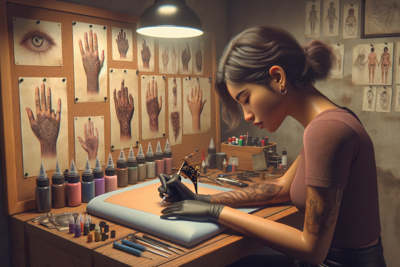
Mastering tattoo linework is a crucial skill for any aspiring tattoo artist. Whether you’re just starting out or looking to refine your techniques, understanding the fundamentals of linework will set the foundation for your tattooing career. In New Zealand, where the tattoo culture is both vibrant and deeply rooted in tradition, honing this skill can open doors to a rewarding career.
At Skinart New Zealand, we recognize the importance of solid linework for creating stunning tattoos. This article will guide you through essential tattoo linework practice techniques, providing you with the knowledge and confidence to elevate your artistry. Dive in and discover how you can perfect your linework skills with our expert tips and training opportunities.
Understanding Linework
Linework is the backbone of any tattoo. It defines the shapes and forms, providing structure and clarity to the design. New artists often find linework challenging because it requires a steady hand and keen attention to detail. However, mastering this skill is crucial for creating clean and professional tattoos.
Practicing linework involves understanding the different types of lines, such as bold outlines and fine details. Each type requires a specific technique and level of pressure. By experimenting with various line weights and styles, artists can develop their unique style and improve their overall tattooing skills.
At Skinart New Zealand, we emphasize the importance of linework in our tattoo courses. Our experienced trainers guide students through the intricacies of linework, ensuring they gain the skills necessary to create stunning tattoos that stand out.
Tools and Equipment
Choosing the right tools and equipment is essential for effective tattoo linework. New artists should familiarize themselves with different types of tattoo machines, needles, and inks. Each component plays a critical role in the quality of the linework produced.
- Tattoo Machines: Rotary and coil machines each have their advantages. Rotary machines offer smoother operation, while coil machines provide more control for detailed linework.
- Needles: Liner needles are specifically designed for linework. They come in various configurations, such as single, double, or triple needles, allowing for different line thicknesses.
- Inks: High-quality inks ensure vibrant and lasting results. It’s important to choose inks that are safe and approved for use in New Zealand.
Understanding how to use and maintain your equipment is just as important as selecting it. Regular maintenance and cleaning are crucial for ensuring consistent performance and hygiene, which is a top priority at Skinart New Zealand.
By investing in quality tools and learning how to use them effectively, new artists can significantly improve their linework skills, setting a strong foundation for their tattooing journey.
Techniques for Beginners
For those new to tattooing, developing a solid foundation in linework techniques is key. Here are some beginner-friendly techniques that can help you improve your linework skills:
- Consistent Pressure: Maintain steady pressure on the machine to achieve uniform lines. Inconsistent pressure can result in shaky or uneven lines.
- Practice on Synthetic Skin: Before working on real skin, practice on synthetic skin to get a feel for the machine and develop muscle memory.
- Use Guidelines: Sketch guidelines on the skin to help you maintain straight and precise lines.
- Slow and Steady: Take your time with each line. Rushing can lead to mistakes and uneven results.
- Experiment with Angles: Adjust the angle of the machine to find what works best for you and the specific area you’re tattooing.
- Keep a Relaxed Grip: Holding the machine too tightly can cause hand fatigue and affect your control.
- Observe Experienced Artists: Watch experienced artists at work to learn from their techniques and gain inspiration.
- Seek Feedback: Don’t hesitate to ask for feedback from mentors or peers to identify areas for improvement.
By incorporating these techniques into your practice routine, you’ll gradually build confidence and proficiency in tattoo linework. At Skinart New Zealand, our courses provide hands-on experience and personalized guidance to help you master these essential skills.
Common Mistakes to Avoid
As with any art form, tattooing comes with its own set of challenges. Here are some common mistakes new artists make when practicing linework, along with tips on how to avoid them:
- Overworking the Skin: Going over the same area multiple times can damage the skin and cause scarring. Ensure you’re confident in your line before committing.
- Inconsistent Line Thickness: Varying pressure can lead to inconsistent line thickness. Practice maintaining even pressure throughout each stroke.
- Neglecting Hygiene: Proper hygiene is crucial for both the artist and the client. Always use sterilized equipment and follow hygiene protocols.
- Ignoring Client Comfort: Ensure your client is comfortable and informed throughout the process to build trust and rapport.
- Poor Planning: Lack of planning can lead to mistakes. Always plan your design and approach before starting the tattoo.
- Incorrect Needle Depth: Penetrating too deeply or too shallowly can result in poor ink retention or blowouts. Practice finding the right depth for different skin types.
- Skipping Practice: Regular practice is essential for improvement. Dedicate time to honing your skills consistently.
- Overconfidence: While confidence is important, overconfidence can lead to mistakes. Stay humble and open to learning.
Avoiding these common pitfalls will help you develop more precise and professional linework. At Skinart New Zealand, we provide comprehensive training to ensure you learn the best practices for successful tattooing.
By recognizing and addressing these mistakes early on, you’ll be better equipped to create beautiful and lasting tattoos that clients will love.
Advanced Practice Tips
As you gain more experience with tattoo linework, it’s important to continue challenging yourself and refining your skills. Here are some advanced practice tips to help you take your linework to the next level:
- Explore Different Styles: Experiment with various tattoo styles, such as traditional, neo-traditional, and realism, to expand your artistic range.
- Focus on Detail: Pay attention to the finer details in your designs. Precision in small elements can elevate the overall quality of your tattoos.
- Develop a Signature Style: As you grow as an artist, work on developing a unique style that sets you apart from others in the industry.
- Stay Updated on Trends: Keep up with the latest tattoo trends and techniques to stay relevant and inspire your work.
- Attend Workshops: Participate in workshops and seminars to learn from industry experts and gain new insights.
- Collaborate with Other Artists: Collaborating with other tattoo artists can help you learn new techniques and gain different perspectives.
- Seek Constructive Criticism: Embrace feedback from peers and mentors to identify areas for improvement and growth.
- Document Your Progress: Regularly document your work to track your progress and celebrate your achievements.
By continuing to challenge yourself and seek new learning opportunities, you’ll become a more skilled and versatile tattoo artist. At Skinart New Zealand, we offer both in-person and online courses to support artists at every stage of their journey.
Remember, the journey to mastering tattoo linework is ongoing. Embrace each step and enjoy the process of becoming a skilled and confident artist.
Frequently Asked Questions
What is the best way to practice tattoo linework?
The best way to practice tattoo linework is to start on synthetic skin, use consistent pressure, and slowly increase complexity as you gain confidence. Regular practice and seeking feedback from experienced artists are also essential.
How can I improve my linework in tattoos?
Improving linework involves maintaining consistent pressure, using quality tools, and practicing regularly. Observing skilled artists and attending workshops can also provide valuable insights and techniques.
What are common mistakes in tattoo linework?
Common mistakes include overworking the skin, inconsistent line thickness, and poor planning. Avoiding these mistakes requires practice, attention to detail, and proper equipment maintenance.
Is it important to have a mentor for tattoo linework?
Having a mentor can be extremely beneficial as they provide guidance, feedback, and support. Mentors can help you navigate challenges and accelerate your learning process.
Where can I learn more about tattoo linework techniques?
You can learn more about tattoo linework techniques by enrolling in courses at Skinart New Zealand, attending workshops, and accessing online resources from reputable tattoo artists and educators.
Final Thoughts
Mastering tattoo linework is a journey that requires dedication, practice, and a willingness to learn. For new artists in New Zealand, the path to becoming a skilled tattooist is filled with opportunities for growth and creativity. By focusing on the fundamentals, avoiding common mistakes, and continuously seeking improvement, you’ll be well on your way to creating beautiful and lasting tattoos.
At Skinart New Zealand, we’re committed to supporting aspiring tattoo artists through our comprehensive courses and expert guidance. Whether you’re just starting or looking to refine your skills, our programs are designed to equip you with the knowledge and confidence needed to succeed in the tattoo industry.
Take the next step in your tattooing journey and explore the world of tattoo linework with us. Embrace the challenge, enjoy the process, and watch your skills flourish.
Recent Blog Posts
- 💐 Mother’s Day Gift: 25% Off Courses All May!
 Celebrate Moms: 25% Off Any Course in May Show your appreciation or invest in yourself this Mother’s Day. All courses 25%… Read More »💐 Mother’s Day Gift: 25% Off Courses All May!
 - Challenging Clients? How to Respond Professionally
 Stay Calm, Stay Professional Strategies for working with demanding or difficult clients in 2026—turn every situation into a win. X Send… Read More »Challenging Clients? How to Respond Professionally
 - Photo Success: Show Off Your Body Art in 2026
 Capture Your Best Work Photography tips and tricks for body artists—get noticed in 2026! X Send Chat