Learn scalp micropigmentation from home: a beginner’s guide

You can study SMP theory and video demonstrations from home, then organise practice exercises around the course instructions. A useful routine has three parts: learn a clearly defined task, practise it on the directed training surface and request feedback on what you do not yet understand.
Choose a realistic starting point
Write down your previous experience and what you hope to learn. Tell the course provider if you are completely new to tattooing or cosmetic pigment work. Review the online scalp micropigmentation course curriculum and ask which support is appropriate for your level.
A new learner may need more time with terminology, equipment handling and the purpose of each exercise. An experienced artist may have scalp-specific questions. Neither starting point creates a universal completion schedule.
Set up a practical study space
Use a device that lets you see demonstrations clearly and take notes alongside them. Organise course files and your questions by lesson so you can find the relevant information when reviewing feedback.
Arrange a separate, orderly area for the practice exercises your tutor assigns. Confirm the materials and equipment before buying them. Learning at home is different from inviting clients into a home treatment room, which requires its own checks.
Use a repeatable study cycle
- Watch with a purpose. Identify the task and the points your instructor asks you to observe.
- Write a short explanation. Describe the task in your own words and mark anything unclear.
- Complete the assigned practice. Follow the course directions rather than guessing settings from a social media clip.
- Record the attempt. Note the exercise, date and question, with a clear photograph where appropriate.
- Review and repeat. Use tutor feedback to choose the next attempt.
Leave space in your routine for revision. Finishing a video is a useful study milestone, but it is different from meeting an assessment requirement.
Ask questions that help you progress
Attach the lesson or exercise name when asking for help. Explain what you tried and the point you want checked. For example, ask which feature of your practice pattern needs attention, rather than whether an entire photograph looks good.
Keep the original submission and feedback together. The SMP portfolio guide shows how to distinguish practice work from supervised or independent client work when presenting your progress.
Know the boundaries of home study
Do not treat watching demonstrations as permission to practise on people. Clarify the practical assessment, supervision and readiness expectations with the instructor, then check local requirements and insurance before planning services.
Read what is included in the online course for access and purchase details. If your eventual plan is a home studio, the home-business planning guide covers a separate set of premises and business questions.
Explore the online scalp micropigmentation course, or contact Skinart with your training questions. Browse the SMP guide library for related reading.
Latest Blog Posts
 When to Pause a Tattoo or Piercing ConsultationPausing a tattoo or piercing consultation gives you time to clarify the client’s brief, expectations and next step before confirming a…
 Read product instructions before making a practice planA familiar product name does not tell you everything about its intended use. Product-specific questions belong at the start of planning,…
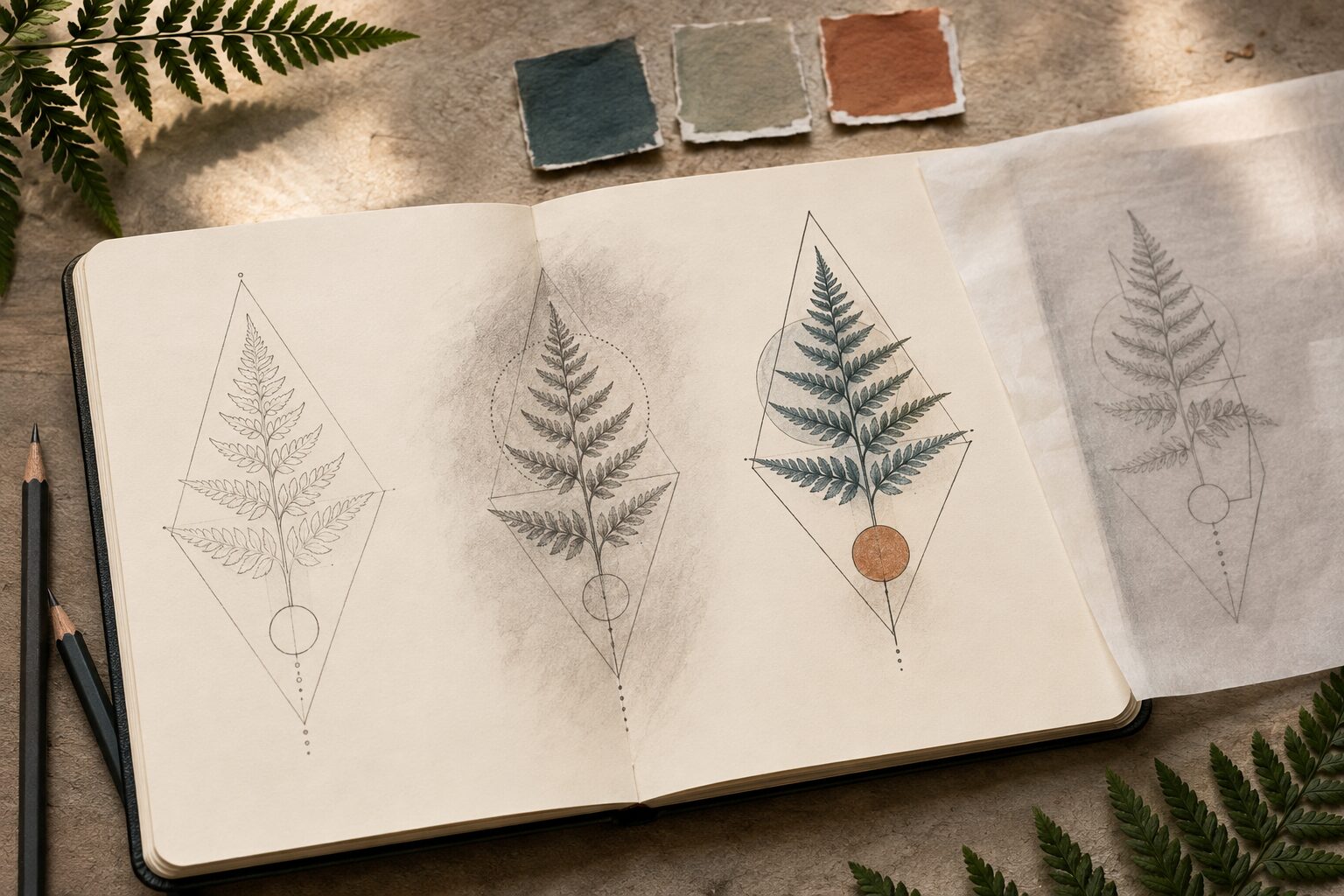 Build a practice journal you will actually useA useful practice journal makes the next session easier to plan. It does not need to become a second project or…