Becoming a body piercer in New Zealand: a learning pathway
Start by comparing what a piercing role involves with the knowledge and practical support you need. A useful learning pathway connects instruction, practice and assessment. A course purchase or certificate is one part of that pathway, rather than an automatic permission to start appointments.
Understand the work beyond the procedure
Ask an experienced practitioner about consultation, jewellery selection, records, hygiene, aftercare communication and follow-up. These responsibilities belong in the learning plan alongside practical skills.
Describe your experience honestly. Customer service or another body-art skill can provide context, but does not establish competence in an unfamiliar piercing procedure.
Compare the actual course topics
The online body piercing course covers equipment, bloodborne pathogen education, local requirements, jewellery, workstation topics, practical demonstrations and completion. Ask how these lessons connect to assignments and feedback.
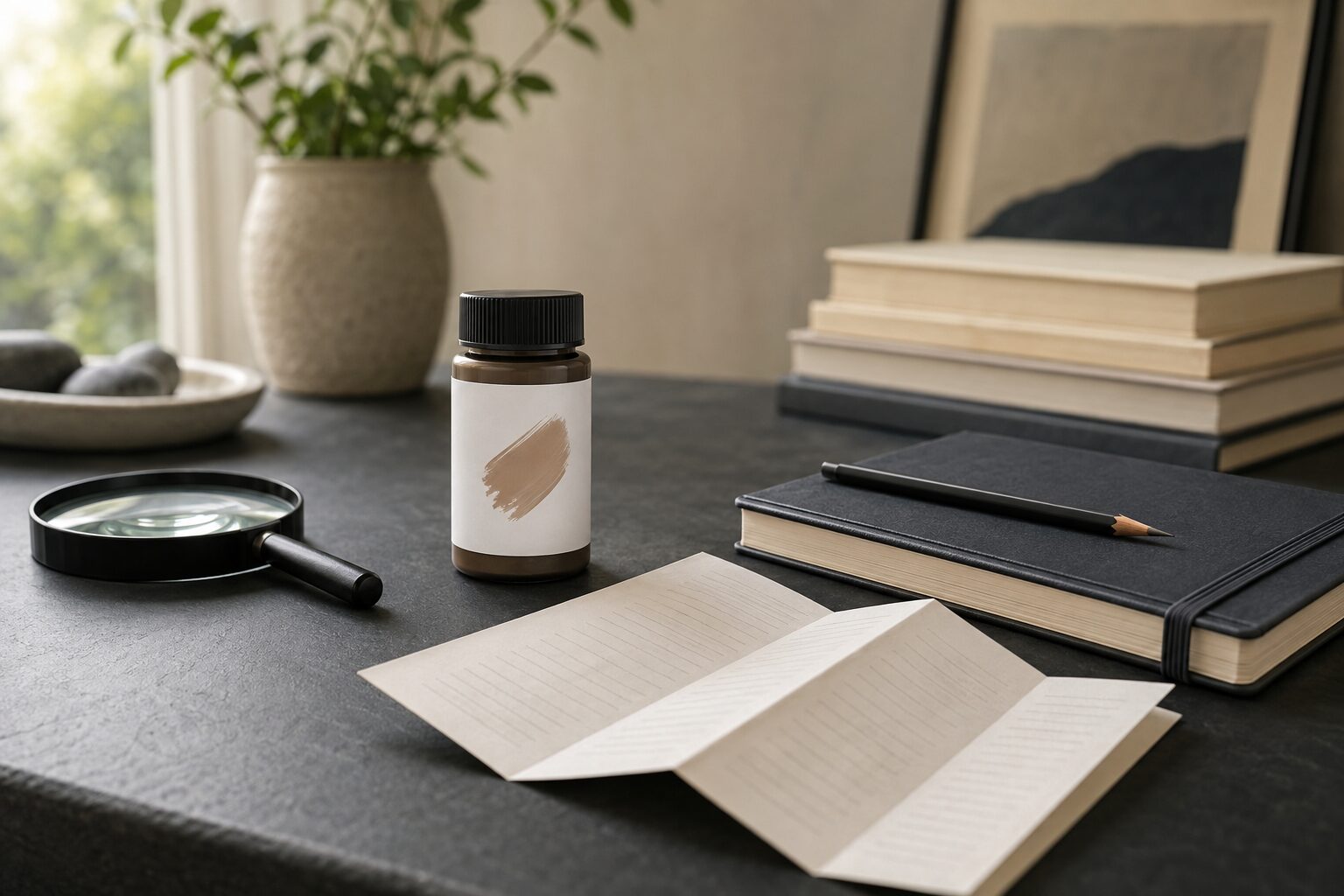
The offer describes silicone practice models. Confirm the first task, materials and evidence you should submit, and keep questions with your learning record.
Ask how additional practical support and assessment fit your experience. Compare the in-person piercing course and confirm its venue, dates, trainer, prerequisites and inclusions before booking.
Compare online study and a practical workshop
Choose the format that fits the support you need. Both full-course routes combine body piercing learning with the separate online Bloodborne Pathogens course. Each course has its own completion requirements and certificate.
Online body piercing course
Follow the lessons, organise the assigned practice and use tutor feedback to plan your next attempt. Check the equipment list and practice-material requirements before ordering supplies.
Compare the Full Course and Pay As You Go options. Part 1 is the first part of the course, and does not by itself qualify for the full-course certificate.
Combine online preparation and coursework with two days of in-person training. Choose the workshop option with or without the equipment kit, then confirm the practical arrangements with the team.
Gillian teaches in-person piercing in New Zealand; Maxine is also part of the Christchurch training team. Confirm your trainer, venue, available dates and preparation before booking.
Make your first enquiry useful. Tell the team your town or city, relevant experience, preferred format and whether you already have equipment. Ask what to complete before practical training and which dates and venues are available.
Keep confirmed requirements with the learning plan. Choose the next task from feedback and evidence, without setting a career start date solely from the number of lessons watched.