Learn to Pierce at Home: What’s Allowed?
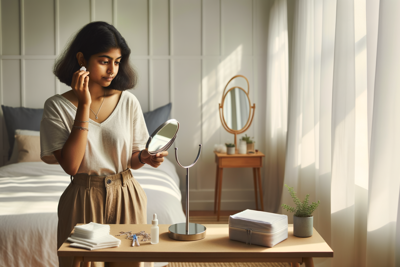
In New Zealand, the art of body piercing is a growing trend and a form of self-expression that many are eager to explore. With the convenience of online courses and resources, learning to pierce at home has become an appealing option for many enthusiasts. But what exactly is allowed when it comes to DIY body piercing, and how can you ensure that you’re doing it safely and legally?
At Skinart New Zealand, we offer comprehensive training that is both accessible and accredited, allowing you to gain the skills you need from the comfort of your own home. Whether you’re looking to start a new career or simply want to understand the art form better, learning to pierce at home can be a rewarding journey—provided you follow the right guidelines.
This article will guide you through the essentials of at-home piercing, what you need to get started, legal considerations, and why professional training is indispensable for your success in this field.
Understanding the Basics of Piercing
Piercing is more than just inserting jewelry into the body; it’s an art that requires precision, knowledge, and respect for hygiene and safety. As a beginner, understanding the anatomy of the skin and the various types of piercings is crucial. This foundational knowledge ensures that you perform piercings safely and effectively.
In New Zealand, body piercing has gained popularity as a form of self-expression. This cultural shift has led to a rise in individuals wanting to learn the craft at home. However, without proper guidance, the risk of infection and improper technique increases.
Before you start piercing, it’s essential to familiarize yourself with the different types of piercings you can perform at home. Popular options include ear, nose, and navel piercings. Each type requires specific techniques and care, which our courses thoroughly cover.
Legal Considerations in New Zealand
When learning to pierce at home in New Zealand, it’s essential to be aware of the legal regulations that govern body art. These laws are in place to ensure public safety and maintain hygiene standards.
- Consents: For minors, parental consent is a must for any body piercing.
- Hygiene Standards: You must adhere to strict hygiene practices to prevent infections.
- Licensing: While piercing at home for personal purposes doesn’t require a license, professional services do.
- Training: Undertaking accredited training is highly recommended to meet industry standards.
By understanding and complying with these regulations, you ensure a safe and legal piercing experience. Our courses at Skinart New Zealand not only teach you how to pierce but also equip you with the knowledge to operate within legal boundaries.
For more detailed information, you can refer to the New Zealand Ministry of Health’s guidelines on body piercing.
Tools and Equipment Needed
Having the right tools and equipment is crucial for safe and effective piercing. Here’s a list of essentials you’ll need to get started:
- Sterilized needles: Ensure they are individually packaged and sterile.
- Piercing clamps: Used to hold the skin in place during piercing.
- Jewelry: Choose hypoallergenic materials to avoid allergic reactions.
- Antibacterial soap: For cleaning the area before and after piercing.
- Gloves: Always use disposable gloves to maintain hygiene.
- Disinfectant: To clean surfaces and tools before and after use.
- Mirror: To ensure accuracy, especially for self-piercing.
- Aftercare solution: Essential for healing and preventing infection.
Investing in quality tools not only ensures a safer experience but also enhances your skills as you practice. Our online courses provide detailed guidance on using these tools effectively.
For further insight, consider exploring resources from reputable piercing associations like the Association of Professional Piercers.
Common Mistakes to Avoid
Even with the best intentions, beginners can make mistakes when learning to pierce at home. Here are some common pitfalls and how to avoid them:
- Using non-sterile equipment: Always ensure your tools are sterilized to prevent infection.
- Incorrect jewelry size: Choose the right size to avoid swelling and discomfort.
- Piercing at the wrong angle: This can cause uneven healing or migration.
- Skipping aftercare: Proper aftercare is essential for healing.
- Ignoring allergic reactions: Be mindful of materials used in jewelry.
- Not following hygiene protocols: Always wash your hands and wear gloves.
- Rushing the process: Take your time to ensure accuracy and safety.
- Neglecting professional advice: Consult experts when in doubt.
Avoiding these mistakes can significantly increase your success rate and ensure a positive piercing experience. Our training programs emphasize these aspects to prepare you for real-world scenarios.
By learning from experienced professionals like Gary Erskine, who has over 25 years of industry experience, you can avoid common pitfalls and gain confidence in your skills.
Importance of Professional Training
While learning to pierce at home can be a fun and rewarding experience, professional training is invaluable. Accredited courses provide structured learning, covering both theoretical and practical aspects of piercing.
At Skinart New Zealand, our courses are designed to equip you with the skills and knowledge needed to perform piercings safely and professionally. Our training programs are fully accredited with the CPD Standards Office and the Body Art Qualification Association (BAQA), ensuring you receive the highest quality education.
By enrolling in our courses, you gain access to expert guidance, comprehensive resources, and a supportive community of fellow learners. This combination not only enhances your skills but also boosts your confidence in performing piercings independently.
- Learn from experienced professionals
- Access to accredited resources and materials
- Structured learning environment
- Opportunity to practice under supervision
- Networking with industry experts and peers
Success Stories from New Zealand
Many students in New Zealand have successfully transitioned from learning to pierce at home to establishing careers in the body art industry. Here are some inspiring stories:
- Anna from Auckland: Started with a passion for body art and now owns a successful piercing studio thanks to the skills she learned through our courses.
- James in Wellington: Used his training to travel and work internationally, gaining valuable experience and recognition in the industry.
- Sarah from Christchurch: Combined her piercing skills with tattoo artistry, creating a unique niche that caters to a diverse clientele.
- Michael in Dunedin: Expanded his home-based practice into a full-fledged business, offering both piercing and aftercare products.
- Emily from Hamilton: Focused on eco-friendly and sustainable piercing practices, attracting environmentally conscious clients.
These success stories highlight the potential of learning to pierce at home and the opportunities that professional training can unlock. With the right guidance and dedication, you too can achieve your dreams in the body art industry.
Join the ranks of successful Skinart graduates and start your journey today!
Frequently Asked Questions
Can I legally pierce myself at home in New Zealand?
Yes, you can pierce yourself at home for personal purposes. However, it’s crucial to follow hygiene and safety guidelines to prevent infections.
What age restrictions apply to body piercing in New Zealand?
Minors require parental consent for body piercings. It’s essential to check local regulations for specific age requirements.
What should I do if I experience an infection after piercing?
Consult a healthcare professional immediately if you suspect an infection. Early intervention can prevent complications.
Do I need a license to offer piercing services in New Zealand?
If you plan to offer professional services, a license is required. Our courses provide the necessary training to meet licensing requirements.
How can I ensure my piercings heal properly?
Follow aftercare instructions carefully, use recommended products, and maintain proper hygiene to promote healing.
Final Thoughts
Learning to pierce at home in New Zealand is an exciting and rewarding journey. With the right tools, knowledge, and guidance, you can master the art of piercing and open doors to new opportunities.
At Skinart New Zealand, we are committed to providing you with the best education and support as you embark on this journey. Our accredited courses ensure you gain the skills and confidence needed to succeed in the body art industry.
Take the first step today and transform your passion for piercing into a fulfilling career. We look forward to welcoming you to our community of skilled and successful piercers.