Setting Up a Microblading Studio at Home Legally

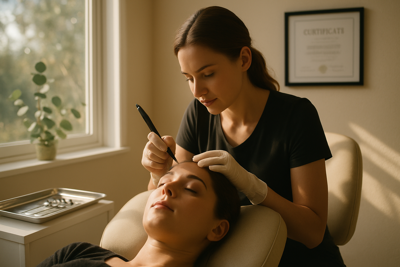
Setting Up a Microblading Studio at Home is an attractive option for many trained technicians in Australia — it reduces overheads, allows flexible hours and lets you build a loyal local client base. However, working from home carries legal, health and business responsibilities that differ from a commercial salon. This guide walks you through the laws, best practices and practical steps you need to open and run a compliant, professional home-based microblading studio in Australia.
Whether you’re finishing a Skinart Australia microblading course or you’re already qualified and ready to start, understanding local council requirements, infection control, insurance, and client safety is essential. Read on for a step-by-step legal checklist, common mistakes to avoid, and a planning template you can use to set up your studio the right way.
Written by Gary Erskine, 25 years in body art education — trainer and lead tutor at Skinart Australia. This article is tailored to Australian rules and includes local examples and practical tips to help you open legally and confidently.
Table of Contents
Use these anchors to jump to the section you need. Adding anchor-linked headings helps search engines display “Jump to” links in results.
- Legal overview: Setting up a home microblading studio
- Business registration, zoning & council approvals
- Health, infection control and clinical requirements
- Equipment, supplies and studio layout checklist
- Common legal & operational mistakes to avoid
- Insurance, records and client consent
- Pricing, marketing and advertising (legal considerations)
- Step-by-step opening plan & timeline
- FAQs: Setting Up a Microblading Studio at Home Legally
- Final thoughts & next steps
Legal overview: Setting Up a Microblading Studio at Home
Opening a microblading service in a residential property in Australia is governed by a mix of local council planning, state health regulations, and national workplace safety standards. The term Setting Up a Microblading Studio at Home covers several legal dimensions: whether your suburb allows a home-based business, whether you require registration as a personal services business, how you must manage clinical waste and sharps, and the infection control standards you must meet to protect clients and yourself.
At its core, the legal test is about risk and nuisance: councils assess whether your business creates more traffic, noise, or waste than a typical household activity, and health regulators focus on bloodborne pathogen risks and safe disposal. Because rules vary between NSW, VIC, QLD, SA, WA, TAS, ACT and NT, always check with your local council and state health department before you begin.
Beyond compliance, operating legally protects your reputation and your insurance cover: clients want to know you follow industry-leading infection control practices and hold recognised qualifications. Skinart Australia’s online Microblading course gives you the accredited training and CPD/BAQA recognition you need to demonstrate competency to councils, insurers, and clients.
Business registration, zoning & council approvals
Before booking clients, check whether your suburb allows a home-based personal services business. Most councils will permit low-impact services but may require a short application or registration. The process usually involves advising the council of parking and traffic expectations, signage, and waste generation.
- Pros: low overheads, flexible hours, quicker return on investment.
- Cons: restricted councils, possible neighbour complaints, insurance limitations.
Start with your local council’s planning department. Many councils have an online checklist for home-based businesses and a simple registration form. Mention you will perform personal services (microblading) with one client at a time, minimal foot traffic, and strict infection control. If your activity is classed as a “home occupation” it is often allowed without a full development application; if it’s considered a small business it may need a different application.
Also register your business for an ABN and consider a business name if you’re trading under a brand. For taxation and GST thresholds consult the Australian Taxation Office (ATO) guidance. Even as a home operator you are still a business for tax purposes.
Health, infection control and clinical requirements
In Australia, microblading is treated as an invasive cosmetic procedure because it breaches the skin. That triggers clear infection control responsibilities: standard precautions, hand hygiene, appropriate PPE, single-use needles or blades where required, surface disinfection, and sharps disposal.
Most states expect operators to follow an infection control protocol equivalent to clinical health settings. This includes Bloodborne Pathogen training, documented cleaning schedules, and a written policy for accidental exposure. While there is no single national microblading licence, accreditation through recognised bodies (such as CPD Standards Office and BAQA) plus documented BBP training strengthens compliance and client trust.
Below are key practical controls you should implement in your home studio. These measures reduce risk and demonstrate that your home-based studio is operating to professional clinical standards — essential if an inspector from your council visits or if an insurance claim arises.
- Hand hygiene station with liquid soap and single-use towels
- Alcohol-based hand rub for rapid disinfection
- Single-use needles/sterile cartridges and sealed packaging
- Medical-grade disinfectant for surfaces (check TGA-approved products)
- Sharps containers meeting Australian standards
- Clinical waste bin (contact local council for collection or clinical waste contractor)
- Clear client consultation and contraindication screening forms
- Procedure records for each client, including pigment batch numbers and consent
- Emergency first aid and exposure response kit
- Appropriate PPE: gloves, masks, eye protection if required
Common legal and operational mistakes to avoid
- Failing to notify or register with the local council
- Assuming residential zoning means no approvals are needed
- Not having written infection control policies or cleaning logs
- Using re-usable tools without proper sterilisation validation
- Poor documentation of client consent and medical history
- Improper sharps disposal or putting sharps in household bins
- Working without appropriate public liability/medical indemnity insurance
- Advertising claims that promise medical outcomes or guarantee results
- Using non-TGA-approved pigments or importing unknown products
Many of these issues arise because operators focus on the creative side and underestimate administrative obligations. Proper documentation and simple administrative systems are often what determine whether a studio survives an inspection or a complaint investigation.
To reduce risk, create a compact compliance folder for your studio that includes your council approval or correspondence, your CPD/BAQA certificates, BBP certification, client consent templates, cleaning logs and insurance certificates. Keep digital backups and ensure you can produce these within 24–48 hours if required.
Equipment, supplies and studio layout checklist
Designing an efficient home studio is as much about flow and sterilisation as it is about comfort. Although Skinart Australia’s online Microblading course covers procedure technique, we do not supply microblading equipment in Australia — you will need to source approved tools, pigments and consumables from reputable suppliers who understand Australian product standards.
Below is a practical checklist that covers the essentials. Use it to create a shopping list and floor plan before you start booking clients. Make sure each item you buy is accompanied by a Certificate of Conformity where relevant and that pigments are clearly labelled with batch numbers.
- Adjustable clinic chair or treatment bed with vinyl cover
- Professional shade lamp and magnification if required
- Single-use microblading blades and sterile disposables
- Pigments suitable for microblading with batch records
- Disposable gloves, masks, single-use aprons
- Medical-grade surface disinfectant and detergent
- TGA-compliant sharps containers and clinical waste bags
- Autoclave ONLY if using re-usable metal tools (and with validation records) — however single-use is preferred
- Waste storage area separate from living spaces and clearly labeled
- Digital booking and records system for client forms and photo documentation
- Dedicated sink for handwashing (ideally not a kitchen sink)
Insurance, records and client consent
Insurance is non-negotiable. Public liability is essential for client injury or property damage claims; professional indemnity is also recommended if you provide aftercare advice that could be construed as professional consultation. Verify your insurer will cover a home-based business that performs invasive cosmetic procedures — some general home business policies exclude higher-risk activities.
Record keeping is both a legal and practical safeguard. Keep completed client consent forms, medical histories, before/after photos and pigment/needle batch numbers for at least several years — check your state’s recommended retention period. Digital copies are acceptable if securely stored with backups and password protection.
Use a clear written consent form that explains risks, aftercare, likely outcomes and touch-up policies. A good consent form reduces misunderstandings and is powerful evidence of informed consent if a dispute arises.
- Public liability insurance (confirm home-business invasive cosmetic cover)
- Professional indemnity if offering professional advice or training
- Record retention plan and secure storage
- Client consent and medical history templates
- Aftercare instructions and communication logs
Pricing, marketing and advertising: what’s legal and what’s not
Advertising microblading services in Australia is mostly straightforward, but you must avoid clinical or medical claims unless you are appropriately qualified and licensed to make them. Statements implying guaranteed medical benefits, permanent results without qualifiers, or comparative claims that denigrate competitors can attract regulatory attention from the ACCC or state fair trading offices.
Be transparent about what you offer: state that you are a Skinart Australia-accredited microblading technician, list your certifications (CPD/BAQA), and specify that the course and certification are accredited. Avoid promising medical outcomes; instead describe expected cosmetic results and typical healing timelines.
Online reviews and social media are powerful referral sources. Ensure aftercare advice is consistent across platforms and that before/after photos have client consent. If you use third-party booking platforms, confirm their privacy standards meet Australian requirements for handling client health data.
Opening steps and timeline: a practical plan
Use this stepwise plan as a practical timeline to move from idea to first client. Timelines will vary, but this plan assumes you already hold an accredited microblading certificate such as Skinart Australia’s online course.
- Week 1: Research local council rules — call the planning and environmental health teams and confirm whether a home-based microblading business requires registration.
- Week 2: Apply for any required home business registration or written confirmation from council; register your business for an ABN and business name if needed.
- Week 3: Finalise insurance quotes and purchase appropriate public liability and professional indemnity cover for a home-based cosmetic service.
- Week 4: Source consumables and single-use tools from reputable Australian suppliers; set up studio layout for clinical flow and cleaning.
- Week 5: Prepare paperwork — client consent, medical history, cleaning logs, emergency plan and incident report templates.
- Week 6: Test bookings, complete a mock client procedure with documentation (consultation, procedure notes, aftercare) — useful evidence for council or insurer queries.
- Week 7: Soft launch with trusted clients and collect testimonials and photos with consent; refine aftercare communication.
- Ongoing: CPD, infection control audits, and record archiving.
Keeping a simple project timeline and checklist reduces the chance of missing important approvals. If your council requests an inspection, being prepared with a folder of documents and a clean clinical space will help the process run smoothly.
Remember: we do not offer in-person training in Australia — our microblading course is online and fully accredited, and it prepares you to operate within Australian regulatory expectations.
FAQs: Setting Up a Microblading Studio at Home Legally
Do I need council approval to do microblading at home?
Most councils require you to register a home-based personal services business or confirm that your activity fits the definition of a low-impact home occupation; always check with your local council planning department before starting.
What infection control training do I need?
You should hold recognised Bloodborne Pathogen (BBP) and infection control training, maintain documented cleaning logs, and follow state guidelines for disposables, sharps, and clinical waste to minimise risk to clients and staff.
Can I use household bins for clinical waste and sharps?
No — sharps must be placed in certified sharps containers and clinical waste must be handled in accordance with local council rules; many councils require a clinical waste contractor or specific disposal arrangements for biohazardous material.
Will my home insurance cover a microblading business?
Not automatically. You must check policy exclusions and obtain public liability insurance that explicitly covers invasive cosmetic procedures performed from a residential premises.
Do I have to display prices or signage outside my house?
Signage rules are typically set by local councils; many councils prohibit prominent commercial signage for home-based businesses, so check the local rules before installing any external advertising.
Industry perspective and local council guidance
“Local councils typically assess home-based microblading services on a case-by-case basis. Our advice is to contact the Environmental Health Unit early and provide a clear outline of clinical controls and waste management.” — Environmental Health Officer, Local Council (representative statement)
This representative advice reflects the common approach across Australian councils: early communication reduces surprises and speeds approvals. When you contact your council, provide photos of the proposed treatment room, your consent forms and your infection control checklist.
Practical checklist: documents, templates and templates to prepare today
Before you open, assemble these documents in a “studio compliance kit”. Keep printed copies in a binder and digital copies in a secure folder. This speeds council inspections, insurer checks and gives clients confidence in your professionalism.
- Council approval or written confirmation of home business status
- CPD Standards Office and BAQA accreditation certificates (Skinart Australia certificate details)
- Bloodborne Pathogen training certificate
- Client consultation, medical history and informed consent forms
- Cleaning and sterilisation log templates
- Incident and exposure response form
- Insurance certificates for public liability and professional indemnity
- Pigment and consumable purchase records with batch numbers
- Privacy policy for handling client health information
- Aftercare instruction sheet and emergency contact procedure
Having this kit demonstrates you treat microblading as a clinical service and not just a hobby. Presenting tidy documentation creates trust and helps you scale to a small salon later if you choose to move out of your home space.
Skinart Australia’s online microblading course includes templates and guidance on client documentation and infection control protocols that meet industry-recognised standards — a practical advantage when preparing your compliance kit.
Final thoughts: start confidently and legally
Setting up a microblading studio at home legally in Australia requires time, attention to detail, and a willingness to follow clinical standards. If you invest in a clear compliance plan, robust infection control, proper insurance and good documentation, you’ll protect your clients and your livelihood while offering a high-quality microblading service from home.
Start by contacting your local council, securing appropriate insurance, and finalising your client documentation. Use the checklist in this guide as your project plan and make incremental progress: the legal side needn’t be overwhelming when approached step-by-step.
Skinart Australia’s online Microblading course is designed for technicians who want accredited training that aligns with industry and council expectations. When you’re ready to take the next step, our course gives you the knowledge and templates to open professionally and legally.
Ready to set up your home studio the right way?
Enroll in Skinart Australia’s accredited online Microblading course to get the training and templates you need to run a compliant home-based studio in Australia.