Local or Online Microblading Training: Compare the Arrangements
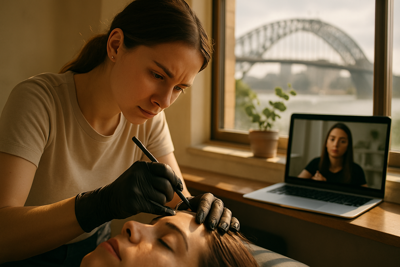
A nearby classroom and an online course can offer different learning arrangements. The useful comparison is what happens when you watch a demonstration, attempt an exercise and need feedback. Ask each provider about those details before deciding which format fits you.
Compare the Actual Teaching Schedule
For a local course, ask about attendance dates, teaching hours, class size and time allocated to individual practice. Find out whether any preparation or follow-up work happens outside the advertised days. A short travel distance does not tell you how much tutor attention is available.
For online study, distinguish recordings from scheduled live activities. Ask how questions are handled and which tasks have deadlines. Consider your internet access, available study time and whether you learn comfortably without a tutor in the room.
Neither label establishes the quality of teaching. Compare the actual course you would buy, not an ideal version of each format.
Make Practical Supervision Explicit
Ask who observes practical work, when observation happens and how corrections are communicated. A tutor watching an exercise in person, reviewing a recording later and commenting on photographs are different arrangements.
- Which materials and exercises are used?
- Is individual observation included, and in what form?
- What work is assessed before completion?
- What happens if the submitted work needs improvement?
- What practical arrangements must I organise separately?
If supervised model work is important to your plan, obtain the exact arrangements before enrolling. Do not assume it is included in every classroom course or every online programme.
Compare the Cost Beyond Tuition
For local attendance, include travel, accommodation if needed and time away from other commitments. For online learning, include the equipment and materials required for assigned work and any separately arranged activities. Check what a supplied kit actually contains.
Use a comparison with four cost lines: tuition, equipment, attendance costs and extra practical arrangements. Keep unresolved amounts visible rather than recording them as zero.
Compare complete course prices with complete course prices. If an option is sold in parts, check the scope and cost of those parts before comparing its first payment with another provider’s full fee.
Check What Support Remains Afterwards
Find out how you can ask a question after the scheduled teaching or a completed module. Ask about access to recordings, resubmissions, tutor contact and any extra charges. Keep these terms separate from general claims about ongoing mentorship.
For Australian students, mention your time zone when discussing live contact. If you need frequent immediate corrections, ask whether the offered format can meet that need.
A useful enquiry is: “If I cannot complete an assigned exercise successfully, what support and reassessment arrangements apply?” The answer is more informative than a general promise of confidence.
Match the Evidence to Your Next Step
Ask for the exact completion document and assessment requirements. Where an insurer, employer or authority needs particular evidence, confirm what that recipient accepts before relying on the course for that purpose.
The microblading licensing and insurance enquiry guide helps organise those questions. Training format alone does not establish acceptance.
Choose the option whose content, practical arrangements, support and total cost match your needs. Review Skinart’s current online course information below, and resolve any deciding question with the team before purchasing.
Course Details and Next Steps
Review the current course details for Australia and contact Skinart with questions about your selected option. Existing students can return to their lessons in the academy.