Planning a Home-Based SMP Business in Australia
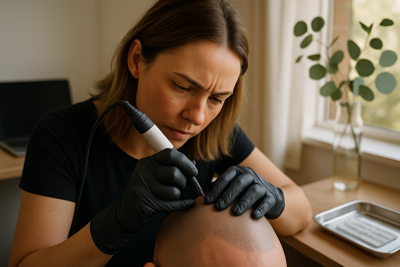
A home-based SMP business needs a workable premises plan, an honest budget and clear arrangements for clients. Start with the decisions that could change whether the proposed location is suitable. This guide helps you organise those decisions before spending on a room fit-out or advertising an opening date.
Confirm the Home Can Be Used for the Business
Write down the proposed services, expected appointment pattern and changes you would need to make to the property. Send that information to the relevant council before assuming a spare room is suitable.
The Australian Government’s home-business guide explains that permits, landlord consent and council approval may be needed. It identifies matters such as client traffic, signs, property modifications and waste as possible considerations. Check your lease if you rent.
For SMP-specific questions, use the licensing and premises guide. Keep planning permission, health requirements and any property-owner conditions visible as separate items in your plan.
Resolve Insurance and Service Scope
Tell the insurer exactly which services you propose to offer and that clients would attend your home. Ask what information it needs about training, premises and the activities to be covered. Keep the written response with the policy information.
Business.gov.au notes that standard home insurance often excludes business activities. Notify your home insurer and check the effect of the proposed business rather than assuming existing cover extends to client appointments.
If you later add another service or move to another address, review the arrangements for the changed business. Do not base a new offering only on what was accepted for the original plan.
Budget for a Quiet Month as Well as Opening
Separate one-off costs from ongoing costs. Obtain quotes for the items and premises work your plan actually requires. Avoid treating a short equipment list as the complete cost of opening.
- One-off: training, required premises work, furniture and initial equipment.
- Recurring: insurance, software, maintenance and other fixed commitments.
- Per appointment: consumables and other costs that vary with the work.
- Time: preparation, consultation, records, follow-up and administration.
Compare a month with fewer appointments against the costs that still need paying. Use your own quotes and clearly stated assumptions; a claim that SMP is high-margin is not a substitute for this calculation.
The SMP equipment checklist can help organise supplier questions, but business requirements may extend beyond training materials.
Make the Appointment Offer Clear
Before accepting bookings, decide how you will explain the consultation, service scope, price and follow-up arrangements. State what a quoted amount includes and which circumstances require a separate discussion. Keep booking messages consistent with the written offer.
Plan how a client can ask a question or raise a concern. Include time for responding and maintaining records in your working schedule. Set realistic appointment availability around the operation of the home and the requirements confirmed for the premises.
Avoid promising a particular treatment result or a fixed number of sessions as a general marketing shortcut. Describe what you actually offer and how an individual enquiry will be assessed.
Use a Portfolio With Clear Context
Show only work you can accurately explain and have permission to publish. Keep training exercises distinct from client results, and identify the stage shown in a photograph. Consistent lighting and unaltered images are more useful than filters that hide details.
Use the SMP portfolio guide when preparing captions. A polished website can support a clear offer, but it does not establish demand or guarantee bookings.
Start with the information a prospective client needs: services, location, contact method and what happens after an enquiry. Add useful answers as real questions arise instead of filling the page with unsupported success claims.
A simple SMP marketing exercise: one question, one useful answer
Instead of posting another unexplained result photograph, help someone answer one question before deciding whether to enquire. Try this small experiment on an existing studio page or social profile. Use only a service and location you actually offer.
- Choose a question you genuinely hear. For example: “Does SMP make hair grow?” Write down the question without a client’s name or personal history.
- Draft an answer with a clear limit. Here is example copy to adapt to your actual service:
“Scalp micropigmentation uses tattooed pigment to create the appearance of small follicles. It does not regrow hair. A consultation is a chance to discuss the look you want, what SMP can and cannot do, and whether the service is appropriate for you.”
- Choose evidence that matches the answer. A text-only explanation can be enough. If you add a photograph, use your own work with permission and say whether it shows practice, a fresh result or a healed result. Do not present a practice image as a client outcome.
- Give one next step. Point to what your consultation includes and how to request one. Check the link on a phone. A post that says “message us” is less helpful if the visitor still cannot find your location, service or contact route.
Make a referral useful, rather than intrusive
If a local barber or another relevant business asks for information to share, offer the same public answer and consultation link. Let interested people choose whether to contact you; do not ask the business to hand over its customer list. Agree where the information will appear, and keep any referral arrangement clear. This is a relationship to build with permission, not a reason to send bulk messages.
Keep a small enquiry-quality record
Choose a review date before posting. Record the following for that one answer; use counts and general observations here, keeping client details in your private records.
| Record | What to note |
|---|---|
| Source and date | Where the answer appeared, the question it addressed and which consultation link it used. |
| Useful enquiries | How many people asked about the service you actually offer and where you work. |
| Next step requested | How many asked for a consultation. Keep this separate from a confirmed booking. |
| Unanswered question | What people still needed to know before deciding. Turn one recurring question into the next useful answer. |
| Next change | One specific improvement to the explanation, evidence or contact route; keep the previous version for comparison. |
Likes and views describe attention, not suitable enquiries or paid work. A small number of relevant enquiries can be more informative than a popular post with no useful next step. If you are still developing your SMP skills, review the Australian SMP course and learning support alongside the practical and business preparation in this guide.
Review the Outstanding Decisions Before Opening
Keep a short list of unresolved matters, who can answer each and the next action. Check the premises position, training and practical preparation, insurance, equipment and client arrangements against the actual planned service.
If a deciding requirement remains uncertain, resolve it before taking on commitments that depend on it. A home-based model should be assessed on the evidence for your property and business, not assumed to be cheaper or easier in every case.
For the study side of the plan, see learning SMP from home. Studying from home and operating a client-facing business there involve different arrangements.
Course Details and Next Steps
Review the current course details for Australia and contact Skinart with questions about your selected option. Existing students can return to their lessons in the academy.