Do You Need a Permanent Makeup License in Australia?
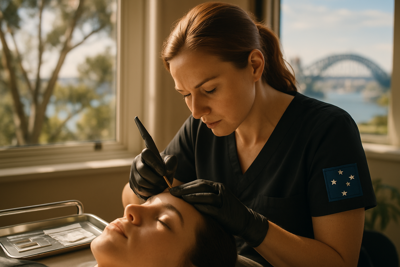
If you’re thinking about starting a career in permanent makeup in Australia, one of the first questions you’ll ask is: do I need a Permanent Makeup License in Australia? The short answer is that requirements vary by state and territory, and while there is no single national “permanent makeup license”, you must meet a combination of local health regulations, training standards and insurance criteria to work safely and legally.
This guide walks you step‑by‑step through what each jurisdiction expects, how accreditation and CPD fit in, and the practical training you should complete before offering services. Whether you plan to work from a studio in Sydney, Brisbane, Melbourne or regional Australia, understanding local rules will protect your clients and your business.
Written by Gary Erskine, 25 years in Permanent Makeup education and training. Gary has trained thousands of students globally and leads accredited course design at Skinart Australia — all courses are recognised by the CPD Standards Office and BAQA.
Table of Contents
Use these quick links to jump to the section you need. Anchor-linked headings help search engines show “Jump to” links in results.
- Overview: Licensing vs Regulation
- Permanent Makeup License in Australia — What the States Require
- Training, Accreditation and Standards
- Practical Steps to Start Practicing
- Common Mistakes and Compliance Issues
- Infection Control, Consent and Record Keeping
- Insurance, Business Registration and Setup
- How Skinart Australia Helps You Get Ready
- FAQs
- Final Thoughts
Overview: Licensing vs Regulation
Understanding terminology is the first step. Many people use “license” and “regulation” interchangeably, but in Australia the rules around permanent makeup are usually framed as public health regulations, council bylaws and registered training requirements rather than a single federal licence.
Local councils and state health departments often manage the on‑the‑ground requirements: registration of premises, compliance with infection prevention standards, and business hygiene inspections. Meanwhile, recognised training and certification demonstrate that you have the competencies to work safely and ethically with clients.
So when someone asks “do I need a Permanent Makeup License in Australia?”, the pragmatic reply is: you need to meet three areas — local premises registration, accredited training and appropriate insurance. Meeting all three is what clients, council officers and insurers will look for when they assess whether you’re operating legally.
Permanent Makeup License in Australia — What the States Require
Each state and territory has its own approach. Below is a practical summary to help you know where to look for the exact rules that apply to your planned workplace.
- New South Wales (NSW): Local council registration is common. NSW Health expects practitioners to follow infection control guidelines and for studios to be registered as skin penetration businesses under council bylaws. Accredited training and CPR/first aid are viewed favourably.
- Victoria (VIC): The Department of Health provides guidance on skin penetration. Many councils require registration of premises and proof of infection control training. Accredited training from nationally recognised providers ensures you meet local expectations.
- Queensland (QLD): Councils have clear skin penetration policies and inspection programs. Documentation of training and evidence of safe practice and cleaning protocols are required when registering a business premises.
- Western Australia (WA): Local government controls premises approvals and health standards. WA also emphasises appropriate training and adherence to infection control guidelines.
- South Australia (SA): Councils usually manage skin penetration registration; SA Health also publishes information about safe practice standards and the importance of accredited training.
- Tasmania (TAS): Smaller jurisdictions still uphold similar expectations — you will likely need to register premises and show evidence of clinician competence.
- Northern Territory (NT) and Australian Capital Territory (ACT): Both require compliance with local health directives and council registration where applicable.
Because councils are the front line for inspections and enforcement, always check your local council’s website for the exact registration steps for a “skin penetration” business — they often include an application form, fee and minimum documentation checklist.
Remember: while the phrase “permanent makeup license” is commonly used, the legal triggers are council registration and demonstrated competency — not a national licence card that covers Australia end‑to‑end.
Training, Accreditation and Standards
Accredited training isn’t just a checkbox — it’s how you build the skills and knowledge to perform procedures safely, manage complications and give clients proper aftercare advice. For many councils and insurers, recognised training is essential evidence of competency.
Skinart Australia offers an online Permanent Makeup course that is CPD and BAQA recognised, designed to meet the industry expectations in Australia. The course covers anatomy, colour theory, device technique, infection control and client consultation — the areas councils commonly ask to see.
Accreditation bodies and industry associations (such as BAQA and CPD Standards Office) provide frameworks that training providers follow to ensure consistent outcomes. Completing an accredited course helps you demonstrate professional standards, even if the phrase “license” doesn’t appear on a national certificate.
- Nationally recognised training helps with council approvals and insurance applications.
- Look for courses that include bloodborne pathogen (BBP) training, infection control and client consultation modules.
- CPR and first aid are commonly required or recommended.
- Practical practice hours and mentor feedback are critical — choose training that includes thorough practical assessment.
- Evidence of assessment: certificates, logbooks, and tutor sign‑offs are valuable documentation.
- Continuing Professional Development (CPD) keeps you current with safety and technique updates.
- BAQA membership or similar association affiliation supports professional recognition.
- Check that assessment standards align with Australian public health expectations.
Practical Steps to Start Practicing
Turning training into a legal, safe business requires several practical steps. Below is a straightforward checklist you can follow to move from student to practising professional.
- Complete accredited permanent makeup training that covers infection control, BBP and practical assessment.
- Hold current CPR and first aid certification.
- Check your local council for skin penetration business registration and apply — this often includes a premises inspection.
- Develop written policies for infection control, waste disposal, and cleaning protocols to present to inspectors or insurers.
- Set up client consent forms, medical history documentation, and aftercare instructions tailored to permanent makeup procedures.
- Obtain public liability and professional indemnity insurance specific to cosmetic and skin penetration services.
- Purchase suitable single‑use disposables and ensure correct segregation of clinical waste via approved services.
- Ensure record keeping is secure and confidential, consistent with privacy obligations.
- Prepare a professional studio space that satisfies local council standards (cleanable surfaces, adequate ventilation, handwashing facilities).
- Plan your pricing, marketing and client booking systems while ensuring you communicate your training and insurance credentials clearly.
Following a checklist like this will help you pass council inspections and make your insurance application straightforward. Councils and insurers will want to see that you understand and apply infection prevention and client safety principles.
If you’re unsure where to start, Skinart Australia’s online Permanent Makeup course includes guidance on documentation templates and practical compliance checklists tailored to Australian councils.
Common Mistakes and Compliance Issues
New practitioners often underestimate the administrative requirements associated with safe permanent makeup practice. Here are common mistakes to watch for so you can avoid compliance problems.
- Not registering the premises as a skin penetration business with the local council.
- Relying on informal training rather than accredited courses for infection control evidence.
- Failing to document client medical histories or informed consent properly.
- Using non‑single‑use supplies incorrectly or failing to maintain a sterile field during procedures.
- Not maintaining up‑to‑date CPR/first aid certifications.
- Skipping professional indemnity or public liability insurance specific to cosmetic procedures.
- Poor clinical waste segregation or using unauthorised waste contractors.
- Inadequate record keeping (missing dates, signatures, product batch numbers or aftercare notes).
- Assuming a national licence removes council obligations — it does not.
- Not checking state or council changes when relocating or expanding services.
These issues are fixable, and being proactive about paperwork and process will save you time and protect your clients and reputation. Regulators are primarily concerned with public safety — demonstrate that you understand infection control and client care and you’ll be in a good position.
Skinart Australia builds compliance-focused modules into its Permanent Makeup course so graduates can produce the documentation councils and insurers expect. That practical focus helps students transition safely into their first paid services.
Infection Control, Consent and Record‑Keeping
Infection control is arguably the most important regulatory concern for permanent makeup. Councils expect documented procedures and consistent practice to minimise risk to clients and staff.
Key areas you must address include: single‑use items, safe sharps handling, sterilisation of reusable tools, clinical waste disposal and a cleanable workspace. Most councils have checklists; align your policies with them.
Consent and record‑keeping are equal partners to infection control. Proper written consent should cover expected results, risks, possible complications and aftercare. Records should include client ID, medical history, product batch numbers, pigment used and follow-up notes.
- Have written infection control procedures available at the premises.
- Use single‑use pigment pots and disposable needles where required.
- Maintain a sharps disposal container and arrange licensed waste collection.
- Document each client’s medical background and allergies before treatment.
- Record pigment brand, batch number and device settings for traceability.
- Provide clear aftercare instructions and follow-up documentation.
- Train staff in bloodborne pathogen procedures and post-exposure protocols.
- Keep client records securely and in line with privacy obligations.
Insurance, Business Registration and Setup
Insurance is non-negotiable. Public liability and professional indemnity insurance tailored to cosmetic tattooing are commonly required by councils and will protect you if a client experiences an adverse outcome.
When setting up your business, you will usually also need an Australian Business Number (ABN), and you should check whether your service attracts Goods and Services Tax (GST) depending on turnover. Business registration, council registration and insurance form the administrative backbone of a compliant practice.
Some insurers require evidence of recent accredited training; others will accept membership with recognised industry bodies. Make sure your policy wording includes cosmetic tattooing or skin penetration to avoid gaps in cover.
- Get an ABN and consider the correct business structure (sole trader, company, etc.).
- Obtain public liability insurance that specifically covers cosmetic procedures.
- Purchase professional indemnity insurance to protect against claims of negligence.
- Keep evidence of accredited training and CPD for insurance and council checks.
- Have written cleaning, waste and emergency procedures to show inspectors.
- Confirm insurance renewal dates and conditions before booking clients.
- Use client agreements and waiver forms that are legally reviewed.
- Consider membership with BAQA or comparable industry associations for credibility.
How Skinart Australia Helps You Get Ready
Skinart Australia specialises in providing online Permanent Makeup courses aligned with CPD Standards Office and BAQA recognition. Our curriculum focuses on the practical knowledge and documentation you will need to satisfy council officers and insurers.
Although we do not supply equipment in Australia, our course content explains what professional-grade tools and supplies to source locally, how to maintain a sterile workspace, and which consumables are single‑use — all while emphasising Australian compliance requirements.
Students who complete Skinart’s accredited Permanent Makeup course receive detailed assessment records, templates for consent and aftercare, and access to tutor feedback that helps build practical competence for real client situations.
- Accredited online Permanent Makeup course tailored for Australia.
- Modules on infection control, BBP, client assessment and aftercare documentation.
- Practical assessment via submitted case studies and mentor feedback.
- CPD-aligned content to support ongoing professional development.
- Templates and checklists for council registration and insurance evidence.
- Guidance on business setup, record keeping and professional practice.
- Supportive community and access to industry-standard learning resources.
- Certificate of completion suitable for presentation to councils and insurers.
Industry Quotes and Official Guidance
To reinforce how authorities view these issues, here are a couple of relevant statements from industry voices and public health guidance.
“Local councils play a key role in ensuring safe skin penetration practices. Compliance with infection control guidance and appropriate training is essential to protect clients and reduce risk.” — Local Council Environmental Health Officer
And an industry association perspective:
“Accredited training, regular CPD and robust documentation are the foundations of a trusted permanent makeup service.” — Council of Professional Tattoo Practitioners (CPTP) representative
These voices emphasise that compliance, not a single licence card, provides the assurance councils and clients need. Training, documentation and consistent practice are what regulators evaluate.
Frequently Asked Questions
Below are common questions people ask about “Do You Need a Permanent Makeup License in Australia?” with concise answers to help you plan your next steps.
Do You Need a Permanent Makeup License in Australia? — Short Answers
- Short answer: No single national licence — you must comply with council registration, accredited training and insurance requirements.
- Where to confirm: Your local council’s environment or health pages, state health websites and insurers’ policy documents.
- Recommended action: Complete accredited training and prepare council registration documentation before offering client services.
These FAQs are intentionally concise. Below we expand on practical implications so you can act with confidence.
Final Thoughts
While the phrase “Permanent Makeup License in Australia” is commonly used, it’s more helpful to think in terms of meeting three practical obligations: accredited training, council premises registration, and appropriate insurance. When you satisfy all three, you will be able to operate confidently and legally.
If you are ready to start, Skinart Australia provides an accredited Permanent Makeup online course that prepares you for the documentation and competency checks councils and insurers commonly request. Our approach is designed for Australian practitioners and addresses infection control, client consultation, and professional practice.
Take the next step with clarity: get qualified, organise your premises registration, and secure insurance. These are the three pillars that allow you to focus on delivering beautiful, safe results for your clients.
Ready to Get Started?
If you want to pursue a professional career in permanent makeup, start with accredited training that’s recognised in Australia. Skinart Australia’s online Permanent Makeup course gives you the practical skills and documentation you need to register with your council and apply for insurance.
Recent Blog Posts
- 🌙 Eid Mubarak: Celebrate with 5% Off in 2026!
 Eid Savings: 5% Off All Courses Celebrate Eid with a special offer: 5% off any course. Use code EID5 at checkout.… Read More »🌙 Eid Mubarak: Celebrate with 5% Off in 2026!
 - Top Mistakes New Body Artists Should Avoid (2026)
 Stay Ahead: Common Pitfalls for New Artists Read up on the most frequent errors new body artists make, and how to… Read More »Top Mistakes New Body Artists Should Avoid (2026)
 - Client Communication Skills: 2026 Body Art Success
 Master Consultation for Better Results Top communication strategies for client satisfaction and better outcomes in 2026 and beyond. X Send Chat