Permanent Makeup Trends 2025: What’s Popular Now
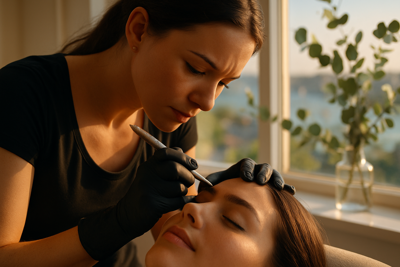
Permanent Makeup Trends 2025 are reshaping how clients in Australia approach beauty, blending subtle enhancement with technical innovation. Whether you’re a seasoned technician, a salon owner, or someone thinking about training, now is the time to understand what’s driving demand and how educated, accredited practitioners can meet expectations safely and beautifully.
In this article we explore the top techniques, pigments, client expectations, and regulatory updates that matter to professionals and clients in Australia. We’ll also highlight how proper training — accredited through recognised bodies like the CPD Standards Office and BAQA — positions you to succeed in a market that prizes natural results and high standards of care.
Written by Gary, 23 years in Permanent Makeup education — I’ll walk you through the evidence-backed trends, common pitfalls, and practical steps to adapt your services this year. If you’re ready to turn trend knowledge into a viable career, Skinart Australia’s online Permanent Makeup course is designed to get you there.
Table of Contents
Use the links below to jump to the section you need. Anchor-linked headings help Google generate “Jump to” links in search results.
Jump to:
- Overview: Why These Trends Matter in Australia
- Techniques & Styles Growing in 2025
- Colours, Pigments & Colour-Correction
- Client Expectations & Common Mistakes
- Regulation, Safety & Accreditation
- Equipment, Needles & Supplies
- Training, Careers & How to Start
- FAQs — Permanent Makeup Trends 2025
- Final Thoughts & Next Steps
Overview: Why These Trends Matter in Australia
The term “Permanent Makeup Trends 2025” captures a combination of stylistic preferences, technological improvements, and regulatory expectations that are shaping the market across Australia. Over the last few years the industry has moved beyond heavy, obvious results toward nuanced, natural enhancement that works in different climates and lighting conditions — considerations that matter across Australia’s diverse regions from Perth to Brisbane.
Two forces sit behind these trends: client demand for naturally enhanced features that require minimal maintenance, and technicians’ increasing access to high-quality training and accredited pathways. Accreditation through organisations such as the CPD Standards Office and BAQA is becoming more visible in client decisions — people want to see recognised qualifications before they book.
For technicians and new entrants, understanding Permanent Makeup Trends 2025 means more than copying social media looks. It’s about adopting best practices in colour stability, skin-aware techniques, and informed consent to deliver results that last and satisfy clients in a market where reputation and safety are essential.
Techniques & Styles Growing in 2025
Microblading matured into softer, hair-like strokes and now sits alongside machine-based methods that deliver more subtle texture and longevity. Hybrid techniques that combine microblading with machine shading are particularly popular — they allow for a natural brow hair effect with soft density where needed.
Pros:
- Natural-looking results that suit Australian skin tones and climates
- Techniques adaptable to sparse brows, mature skin, and post-chemotherapy clients
- Complementary shading methods increase pigment retention in humid or sun-exposed regions
Cons:
- Some hybrid techniques require higher technical skill and ongoing training
- Incorrect pigment selection or overworking can lead to poor long-term colour
- Clients sometimes expect immediate perfection; effective consultation is needed to set realistic healing expectations
Two other trends gaining traction are lip blush (a soft, natural tint rather than a full solid colour) and subtle eyeliner enhancements that emphasise the lash line without heavy liner. These suit busy clients who want low-maintenance looks that still photograph well and read naturally outdoors — something Australian clients often request because of active lifestyles.
Across all techniques, the emphasis is on skin-first approaches: treating pigmentation differently depending on Fitzpatrick skin type, adjusting needle depth for oily versus dry skin, and allowing for the effects of sun exposure in coastal cities. This is where solid training and accredited courses make a tangible difference in outcomes and client satisfaction.
Colours, Pigments & Colour-Correction
Pigment science is one of the most important aspects of Permanent Makeup Trends 2025. Technicians are moving away from single-use universal colours and toward tailored palettes selected for undertones, sun exposure, and melanin levels. For Australian clients, this means choosing warmer or neutral shades for many sun-exposed complexions, and careful neutralisation strategies for previous work.
Vegan and hypoallergenic pigments have also become a purchasing preference, especially in metropolitan clinics where clients ask about ingredients and allergy potential. While these products are not a guarantee against complications, they often contain fewer heavy metals and can be an easier sell in ethically-aware markets.
Colour-correction remains a growth area. Correcting outdated pigment colours (e.g., blues or greens from old procedures) requires layered strategies: conservative removal or lightening, then reintroduction of corrective pigments. These processes are time-intensive and need clear staging across multiple sessions.
- Soft taupe and ash brow blends that avoid red or orange undertones
- Neutral lip blush tones — dusty rose, soft peach, warm mauve
- Vegan and low-metal pigment lines preferred by many clients
- Colour-corrective pigments and neutralisers for older work
- Custom palettes for different Fitzpatrick skin types
- Longer-lasting pigments engineered for UV stability
- Low-dispersal pigments that sit more predictably in skin
- Specialist pigments for scar revision and areola repigmentation
Client Expectations & Common Mistakes
- Overpromising immediate perfect results without discussing the healing process
- Using a one-size-fits-all pigment rather than matching undertone and Fitzpatrick type
- Overworking the area in a single session to chase colour
- Insufficient patch testing or ignoring allergy history
- Poorly documented informed consent and aftercare instructions
- Inadequate sun-protection advice post-procedure
- Selecting needle depth without considering skin type and thickness
- Allowing inexperienced technicians to perform advanced corrections
These mistakes are common and avoidable. Clear, documented consultations reduce the risk of dissatisfaction. When clients research “Permanent Makeup Trends 2025” they often look for natural results and transparent credentials — emphasize both in your client communications.
It’s also important to manage expectations about touch-ups. Most techniques require at least one conservative refinement session; advertising single-session permanent perfection creates unrealistic promises. Use progressive scheduling and photo documentation to demonstrate realistic improvement over time.
Regulation, Safety & Accreditation
Regulation in Australia is state-level, and local council requirements can vary. What’s consistent in 2025 is the rising expectation that technicians demonstrate accredited training and knowledge of infection prevention, cross-contamination controls, and appropriate record-keeping. Accreditation through the CPD Standards Office and BAQA is an important marker of professionalism and client trust.
Industry bodies are also emphasising consent, detailed patch testing where indicated, and robust aftercare protocols. For practitioners, staying up to date with state public health guidance and council requirements is not optional — it’s a cornerstone of safe practice.
- Confirm local council registration requirements for skin penetration businesses
- Follow infection control practices and single-use disposables where recommended
- Maintain detailed client records and before/after photography
- Deliver clear written aftercare and sun-protection advice
- Use accredited training to satisfy client and insurer expectations
- Stay current with CPD requirements and BAQA recommendations
Quote from an industry spokesperson: “Clients increasingly look for accredited training and documented safety processes when choosing a permanent makeup technician,” says a CPD Standards Office representative. This aligns with our experience — well-trained technicians have better retention rates and fewer complications.
Equipment, Needles & Supplies
Although Skinart Australia does not supply equipment within Australia, knowledge about the right tools is crucial. Devices that offer adjustable stroke depth and consistent pigment delivery are preferred for modern PMU techniques. Many Australian practitioners also favour cartridges that reduce cross-contamination risk by being sealed and single-use.
Needle configuration and machine settings should be selected for the desired effect — hair-stroke versus shading — and always tested on practice skin before client use. For technicians training in Australia, understanding the differences between needle groupings, needle angles, and machine speed is a key skill taught in accredited courses.
Supplies that matter in 2025 include UV-stable pigments, quality topical anaesthetics suitable for PMU, and medical-grade disposables. While product sourcing is the technician’s responsibility, training programs should equip you to evaluate suppliers and read product safety data sheets.
- Adjustable digital PMU machines with low-vibration motors
- Cartridge needle systems for single use and safety
- Range of needle configurations for hair-stroke and shading
- UV-stable, low-dispersion pigment ranges
- Quality topical anaesthetics and aftercare products
- Medical-grade gloves, surface disinfectants and sharps containers
- Patch-test materials and clear consent forms
- Staging and photography kit for consistent client records
“Technique and device choice must align — training is where you learn why one needle grouping works for a maturing brow while another suits oily skin,” advises Gary Erskine, lead tutor at Skinart Australia.
Training, Careers & How to Start
For anyone serious about entering PMU in Australia, accredited training is the foundation. Skinart Australia offers a fully accredited online Permanent Makeup course (CPD Standards Office and BAQA) that covers theory, safety, client consultation, and practical workflows to prepare you for entry-level PMU work and for building a safe, reputable business.
Our course is designed for remote learners in Australia who want a structured, evidence-based curriculum. Delivered by tutors with decades of experience, the online format allows you to study theory modules at your own pace, then progress into supervised, assessed practicals that align with industry expectations.
Graduates who complete accredited training often find work in private clinics, beauty studios, or start mobile PMU services where permitted. We intentionally structure our curriculum to prioritise client safety, pigment theory, and realistic outcome planning — skills that lead to better client retention and lower complication rates.
FAQs — Permanent Makeup Trends 2025
These frequently asked questions reflect what clients and technicians commonly search for when researching Permanent Makeup Trends 2025 in Australia.
Is permanent makeup safe in 2025?
Permanent makeup is safe when performed by accredited technicians who follow infection-control protocols, use quality pigments and single-use disposables, and maintain clear consent and aftercare processes — all covered in accredited training programs.
What techniques are most in demand this year?
Hybrid hair-stroke and shading brow techniques, soft lip blush, and subtle lash-enhancement liners are among the most sought-after trends in 2025 due to their natural look and low maintenance for active lifestyles.
How long do results last and what affects longevity?
Longevity depends on pigment choice, technique, skin type, sun exposure, and aftercare. Many modern pigments are engineered for longer colour stability, but touch-ups remain a normal part of maintaining results.
Do I need accredited training to work as a PMU technician in Australia?
Accredited training is highly recommended and increasingly expected by clients and insurers; bodies like CPD Standards Office and BAQA provide assurance of competency and professional standards that clients look for.
Can old PMU be corrected?
Yes, but corrections are staged procedures. Conservative lightening or removal may be followed by corrective pigment work; expecting multiple sessions and realistic timelines leads to better outcomes.
Final Thoughts & Next Steps
Permanent Makeup Trends 2025 reflect a mature market: clients want natural, tailored results delivered by trained professionals who understand pigment science, skin diversity, and safety. For Australian technicians, adopting these trends means investing in accredited education and staying informed about local regulations.
If you’re ready to learn, Skinart Australia’s online Permanent Makeup course offers a clear, accredited path to develop the knowledge and confidence you need. Our curriculum is shaped by industry standards and real-world practice, and our tutors — including Gary with more than two decades of experience — support students through practical assessment and ongoing mentorship.
Your next step is simple: explore accredited training options, practise with an emphasis on safety and colour theory, and integrate trend-aware techniques that prioritise long-term client satisfaction. The field of PMU rewards thoughtful, educated practitioners — and 2025 is a year where credibility and quality truly matter.
Ready to Train in Permanent Makeup?
Join Skinart Australia’s accredited online Permanent Makeup course and learn the skills that match Permanent Makeup Trends 2025. Accredited by the CPD Standards Office and BAQA — study with experienced tutors and build a professional, safe practice.
Recent Blog Posts
- 🌙 Eid Mubarak: Celebrate with 5% Off in 2026!
 Eid Savings: 5% Off All Courses Celebrate Eid with a special offer: 5% off any course. Use code EID5 at checkout.… Read More »🌙 Eid Mubarak: Celebrate with 5% Off in 2026!
 - Top Mistakes New Body Artists Should Avoid (2026)
 Stay Ahead: Common Pitfalls for New Artists Read up on the most frequent errors new body artists make, and how to… Read More »Top Mistakes New Body Artists Should Avoid (2026)
 - Client Communication Skills: 2026 Body Art Success
 Master Consultation for Better Results Top communication strategies for client satisfaction and better outcomes in 2026 and beyond. X Send Chat