Common Piercing Mistakes and How to Avoid Them

Piercings are a popular form of self-expression, but even experienced piercers can make mistakes that lead to complications. Understanding these common piercing mistakes is crucial for anyone in the industry or those considering a piercing. This article will guide you through these pitfalls and how to avoid them, ensuring a safer and more professional experience.
Whether you’re a seasoned professional or just starting your journey in the piercing world, being aware of common errors can enhance your skills and client satisfaction. At Skinart Australia, we emphasize the importance of continuous learning and adherence to best practices in our online piercing courses.
In Australia, the body art industry thrives on innovation and safety. By addressing common mistakes upfront, you can elevate your practice and reputation. Join us as we delve into the intricacies of piercing, backed by Gary Erskine’s 25 years of expertise.
Understanding the Common Piercing Mistakes
Becoming proficient in piercing requires more than just knowing the techniques; it involves understanding the common pitfalls that can affect both the piercer and the client. From incorrect placements to improper aftercare advice, these mistakes can lead to infections, dissatisfaction, and a tarnished reputation.
One of the most frequent errors is neglecting to fully explain the piercing process to the client. Transparency builds trust and prepares clients for what to expect during and after the procedure. At Skinart Australia, we stress the importance of communication in our training courses.
Another common issue is using outdated or inappropriate tools. The industry evolves rapidly, and keeping up with the latest equipment and techniques is vital. This article will explore these mistakes in detail and provide solutions to enhance your practice.
Tools and Techniques
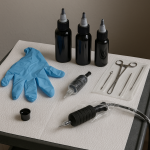
Using the right tools and techniques is fundamental to successful piercing. However, many practitioners fall into the trap of sticking with familiar but outdated methods. This can lead to suboptimal results and increased risk of complications.
- Pros: Improved client satisfaction, reduced risk of infection, enhanced reputation.
- Cons: Initial learning curve, investment in new equipment, ongoing training requirements.
Investing in quality tools and staying updated with the latest techniques not only improves the quality of your work but also demonstrates professionalism. This commitment to excellence is what we instill in our students at Skinart Australia.
Moreover, understanding the anatomy and physiology of piercing sites is crucial. Each piercing type requires specific knowledge and skills that must be mastered through comprehensive training.
Importance of Sterilization
Sterilization is a non-negotiable aspect of piercing. Failing to properly sterilize equipment and the work environment can lead to severe infections and health risks for clients. This is one of the most critical areas where mistakes are often made, sometimes with dire consequences.
In Australia, regulatory bodies emphasize strict adherence to sterilization protocols. This not only protects clients but also ensures compliance with health standards. As a professional, it’s your responsibility to maintain a clean and sterile environment.
At Skinart Australia, our courses cover comprehensive sterilization techniques, ensuring that you are fully equipped to provide safe and hygienic services. Here’s a checklist to guide your sterilization process:
- Use autoclaves for sterilizing metal tools.
- Dispose of single-use items properly.
- Wear gloves and replace them between clients.
- Clean and disinfect surfaces regularly.
- Use sterile needles for each piercing.
- Ensure proper personal hygiene.
- Keep sterilization records up to date.
- Regularly inspect and maintain sterilization equipment.
- Stay informed about local health regulations.
Client Consultation and Care
- Failing to explain the process clearly.
- Not discussing potential risks and aftercare.
- Ignoring client health history.
- Rushing the consultation process.
- Overlooking client comfort and positioning.
- Failing to provide written aftercare instructions.
- Not following up on client satisfaction.
- Neglecting to build rapport and trust.
Effective client consultation is the cornerstone of a successful piercing experience. It sets the tone for the procedure and ensures that clients feel informed and comfortable. A thorough consultation not only covers the technical aspects but also builds trust and rapport.
Providing clear aftercare instructions is equally important. Clients should leave your studio with a comprehensive understanding of how to care for their new piercing. This prevents complications and enhances the healing process.
Choosing the Right Jewelry
Selecting the appropriate jewelry is an art and science that requires knowledge of materials, styles, and client preferences. Mistakes in this area can lead to allergic reactions, migration, or rejection of the piercing.
It’s essential to educate clients about the types of materials that are safe and suitable for their skin type. For instance, titanium is often recommended for its hypoallergenic properties. Understanding these nuances is part of the comprehensive training offered at Skinart Australia.
Providing a variety of options and explaining the benefits of each can enhance client satisfaction and ensure they leave with jewelry that suits their lifestyle and preferences.
- Titanium for hypoallergenic properties.
- Gold for aesthetic appeal.
- Niobium for flexibility.
- Stainless steel for durability.
- Bioplast for flexibility and comfort.
- Proper sizing to prevent irritation.
- Secure clasps to avoid loss.
- Consideration of client’s lifestyle and activity level.
Aftercare Mistakes
Aftercare is a critical component of the piercing process, yet it’s often neglected or improperly executed. Providing clients with clear, concise aftercare instructions is essential to ensure proper healing and prevent complications.
Common aftercare mistakes include using harsh cleaning agents, failing to clean the piercing regularly, and not monitoring for signs of infection. Educating clients on what to expect during the healing process can prevent these issues.
At Skinart Australia, we emphasize the importance of aftercare in our training courses, providing students with the knowledge to guide their clients effectively. Here’s a list of aftercare tips to share with your clients:
- Clean the piercing with saline solution twice daily.
- Avoid touching the piercing with dirty hands.
- Refrain from swimming in public pools during healing.
- Avoid changing jewelry prematurely.
- Monitor for signs of infection, such as redness or swelling.
- Use a clean, soft cloth to dry the area.
- Avoid applying makeup or lotions near the piercing.
- Follow up with your piercer if any concerns arise.
Professional Growth and Responsibility
As a piercing professional, continuous growth and learning are vital. The industry is ever-evolving, and staying updated with the latest trends and techniques is essential for maintaining a competitive edge.
Enrolling in advanced courses, attending workshops, and seeking mentorship can significantly enhance your skills and knowledge. At Skinart Australia, we offer comprehensive online piercing courses designed to equip you with the latest industry insights and techniques.
By taking responsibility for your professional development, you not only improve your practice but also contribute to elevating the standards of the industry as a whole.
“Continuous education is the key to excellence in the body art industry. At Skinart Australia, we are committed to fostering a culture of learning and growth.” – Gary Erskine, Lead Tutor
FAQ
What are the most common piercing mistakes?
Common mistakes include improper sterilization, incorrect jewelry selection, inadequate client consultation, and poor aftercare instructions.
How can I avoid piercing mistakes?
Avoid mistakes by staying informed about the latest techniques, using the right tools, following strict sterilization protocols, and providing thorough client education.
Why is sterilization important in piercing?
Sterilization prevents infections and ensures the safety of both clients and practitioners by eliminating harmful bacteria from tools and surfaces.
What should clients know about aftercare?
Clients should follow aftercare instructions closely, including regular cleaning with saline solution, avoiding irritants, and monitoring for signs of infection.
How can I improve my piercing skills?
Improve your skills by enrolling in advanced courses, attending workshops, and seeking mentorship from experienced professionals.
Final Thoughts
Understanding and avoiding common piercing mistakes is crucial for anyone in the body art industry. By focusing on proper techniques, client education, and continuous learning, you can ensure a successful and fulfilling career.
Skinart Australia is dedicated to providing top-tier training that empowers you to excel in your piercing practice. Our courses are designed to equip you with the knowledge and skills necessary to avoid mistakes and deliver exceptional results.
Take the next step in your professional journey with confidence, knowing that you have the support and resources to succeed. The world of piercing is exciting and full of opportunities for those committed to growth and excellence.
Recent Blog Posts
- 🌙 Eid Mubarak: Celebrate with 5% Off in 2026!
 Eid Savings: 5% Off All Courses Celebrate Eid with a special offer: 5% off any course. Use code EID5 at checkout.… Read More »🌙 Eid Mubarak: Celebrate with 5% Off in 2026!
 - Top Mistakes New Body Artists Should Avoid (2026)
 Stay Ahead: Common Pitfalls for New Artists Read up on the most frequent errors new body artists make, and how to… Read More »Top Mistakes New Body Artists Should Avoid (2026)
 - Client Communication Skills: 2026 Body Art Success
 Master Consultation for Better Results Top communication strategies for client satisfaction and better outcomes in 2026 and beyond. X Send Chat